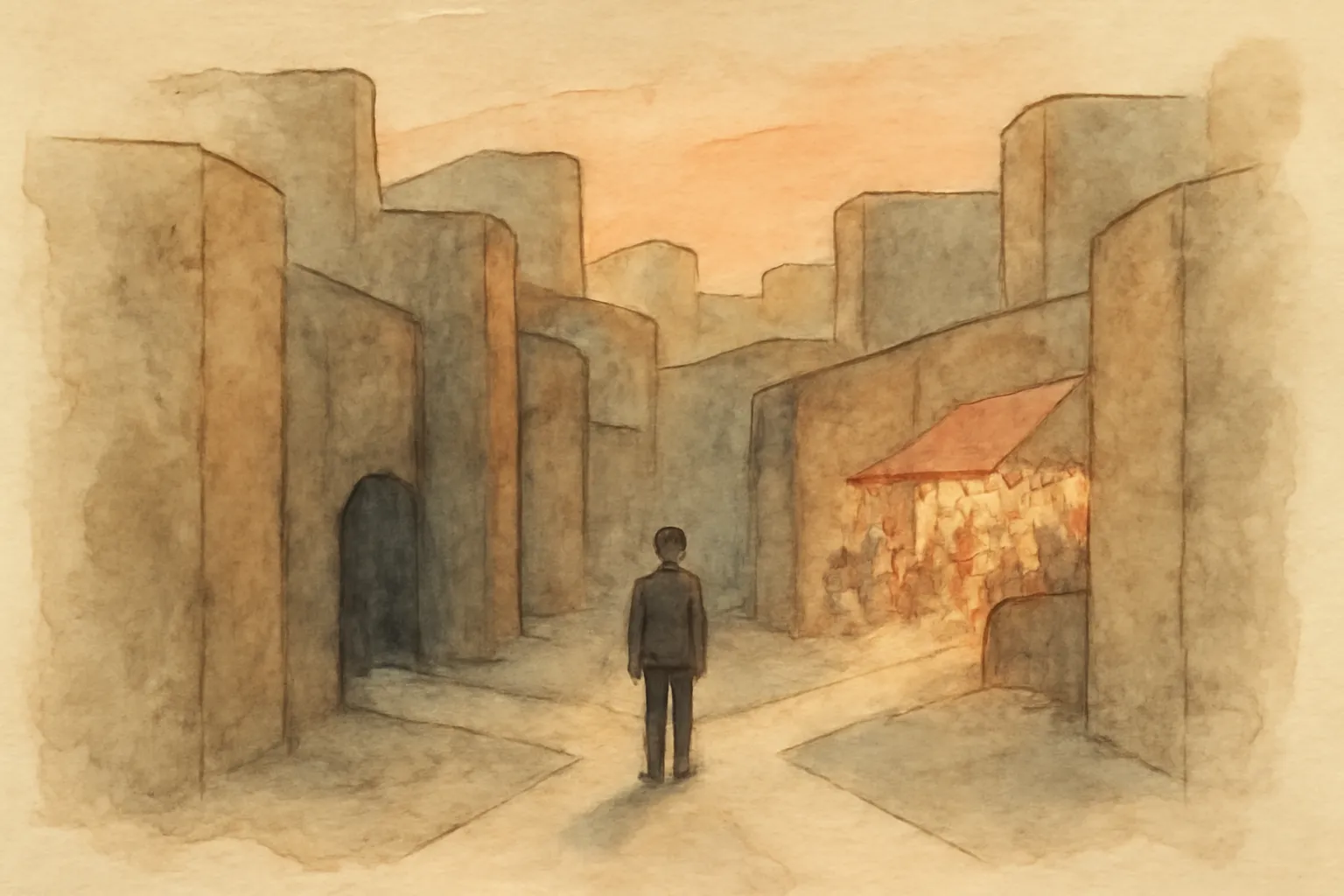
1.The Price of Civilization
Freud argues that civilization is built on the suppression of individual instincts, especially aggressive and sexual drives. To live together peacefully, people must curb their primal urges, but this restraint comes at a psychological cost. The very rules and norms that allow societies to flourish also generate frustration and a sense of loss in individuals, leading to a persistent undercurrent of discontent.
2.The Struggle Between Eros and Thanatos
Central to Freud’s thesis is the conflict between two fundamental drives: Eros (the life instinct, seeking love, connection, and creativity) and Thanatos (the death instinct, oriented toward aggression and destruction). Civilization tries to channel Eros into productive social bonds while containing Thanatos, but the tension between these forces never disappears, fueling both progress and unrest.
3.The Role of Guilt and the Super-Ego
Freud contends that as societies develop, the internalization of social rules creates the super-ego, a moral conscience that polices our thoughts and actions. This super-ego is a source of guilt, even for impulses that are never acted upon. The more civilized we become, the more this internal guilt grows, shaping our sense of self and contributing to widespread malaise.
4.Love, Community, and the Limits of Happiness
Freud examines how civilization demands we redirect our love from individual objects to broader communities. While this can foster solidarity, it also dilutes personal happiness, as our deepest affections are spread thin. He questions whether the universal love required by civilization is truly possible or psychologically sustainable.
5.Religion as a Civilizing Force
Freud sees religion as both a comfort and a tool for social cohesion. By promising protection and meaning, religion helps individuals accept the sacrifices civilization demands. Yet, Freud is skeptical of its long-term effectiveness, suggesting that as rationality increases, religion’s power to soothe discontent may wane.
6.The Inescapability of Discontent
Ultimately, Freud concludes that some level of unhappiness is an unavoidable byproduct of civilization. The constant negotiation between personal desires and social expectations means that perfect happiness is unattainable, but this very tension is what makes culture and progress possible.