Intellectual life · Great Britain · Literature and society
Culture and Society, 1780-1950 by Raymond Williams — Summary, Key Ideas & Quotes
1600363 pages✦ 3-min Big ideas★ 0.0
Rate it
The romantic artist - Mill on bentham and coleridge - Thomas carlyle - The industrial novels - J.H. Newman and Matthew Arnold - Art and society - Interregnum - Twentieth-century opinions.
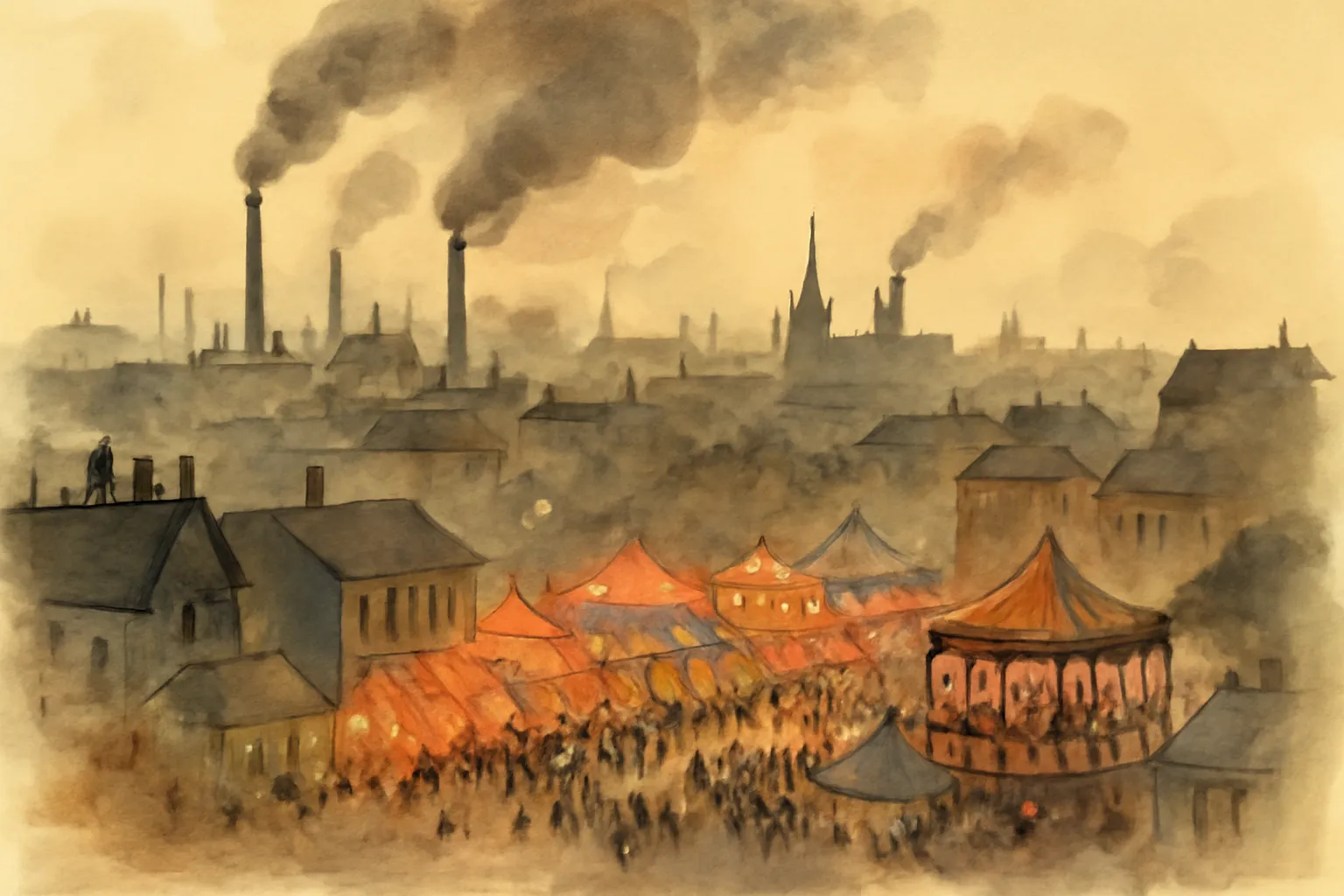
Williams shows that 'culture' as we use the term today—meaning the shared values, practices, and creative expressions of a society—did not always exist. The word gained new weight in Britain from the late 18th century onward, as writers and thinkers responded to the disruptions of the Industrial Revolution. Williams traces how culture became a way to talk about what was being lost or transformed in the face of economic and technological change.
A core theme is the tension between culture and industry. As industrial capitalism reshaped Britain, figures like Carlyle, Arnold, and Ruskin worried that mechanization and profit-seeking were eroding deeper forms of meaning, creativity, and community. Williams examines how the idea of culture became a rallying point for critics of industrial society, standing for values that seemed threatened by economic progress.
“Culture is ordinary: that is the first fact.”
“A culture is not only a body of intellectual and imaginative work; it is also and essentially a whole way of life.”