1.The Invention of 'Culture' as a Social Idea
Williams shows that 'culture' as we use the term today—meaning the shared values, practices, and creative expressions of a society—did not always exist. The word gained new weight in Britain from the late 18th century onward, as writers and thinkers responded to the disruptions of the Industrial Revolution. Williams traces how culture became a way to talk about what was being lost or transformed in the face of economic and technological change.
2.Culture Versus Industry
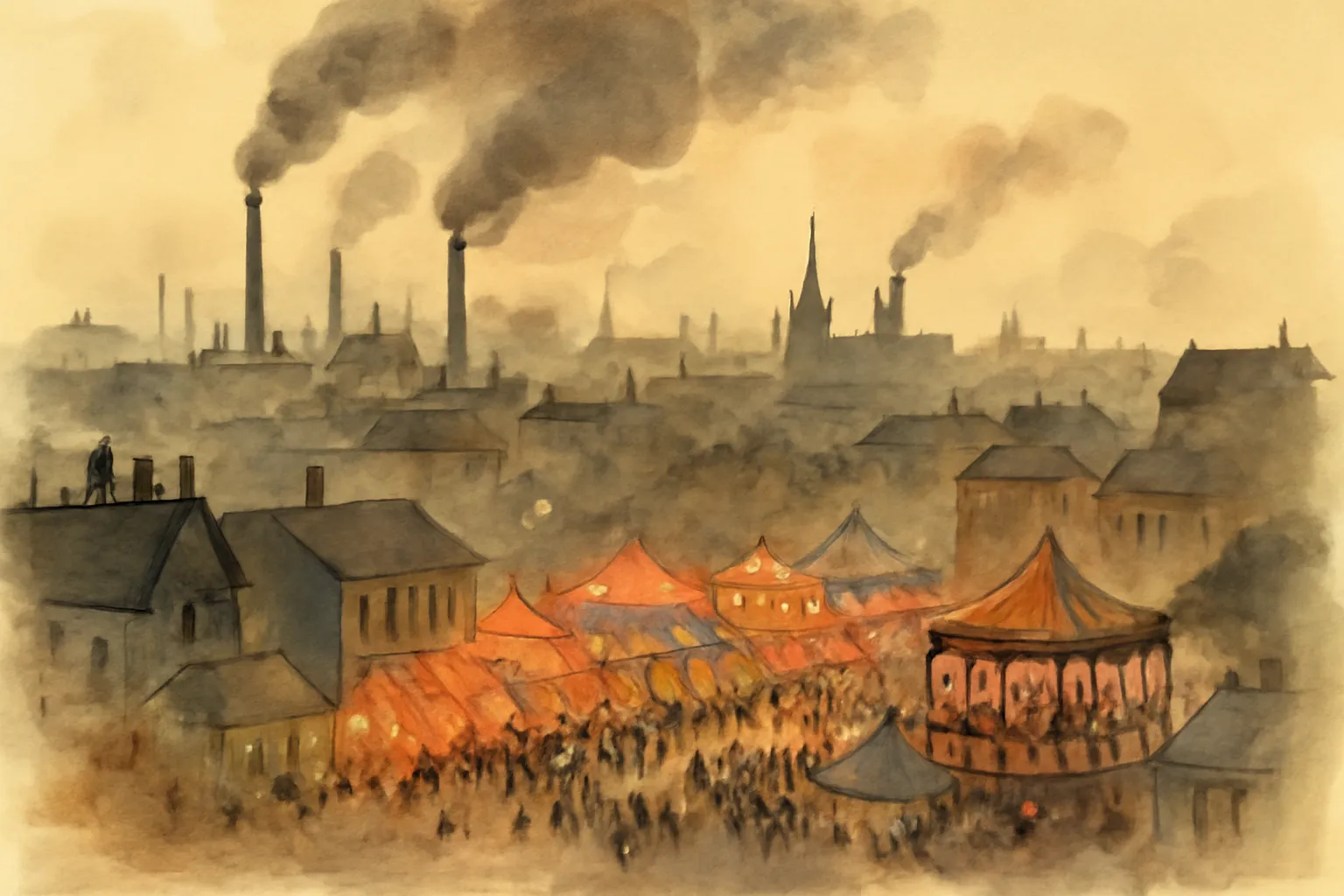
A core theme is the tension between culture and industry. As industrial capitalism reshaped Britain, figures like Carlyle, Arnold, and Ruskin worried that mechanization and profit-seeking were eroding deeper forms of meaning, creativity, and community. Williams examines how the idea of culture became a rallying point for critics of industrial society, standing for values that seemed threatened by economic progress.
3.Art, Morality, and Social Critique
Williams explores how literature and art were seen not just as entertainment, but as vehicles for moral and social criticism. Victorian novelists, for instance, used fiction to expose the human costs of industrialization. Williams highlights how debates about art’s purpose—should it uplift, instruct, or simply reflect society?—helped shape the modern understanding of culture as both a product and a critique of its time.
4.The Shifting Role of Intellectuals
The book traces the changing role of writers, critics, and thinkers in public life. Figures like Matthew Arnold and F.R. Leavis argued that intellectuals had a duty to guide society’s values, especially as traditional authorities weakened. Williams shows how the idea of a 'cultural elite' emerged, and how this notion remains controversial.
5.Culture as a Site of Struggle
Williams insists that culture is never neutral or fixed; it is always a site of conflict over meaning, belonging, and power. By the twentieth century, debates about mass culture, popular media, and social change revealed that culture was deeply political. Williams’s analysis anticipates later cultural studies by showing how struggles over culture reflect broader struggles in society.
6.From Individual Genius to Social Process
A major shift Williams traces is from seeing culture as the product of isolated 'great men' to understanding it as a collective, social process. He challenges the romantic ideal of the solitary artist, arguing that cultural creation is always embedded in wider social contexts and relationships.