Neurology - · Anecdotes · Neurology
The Man Who Mistook His Wife for a Hat by Oliver Sacks — Summary, Key Ideas & Quotes
1980308 pages✦ 3-min Big ideas★ 4.1 (56)
Rate it
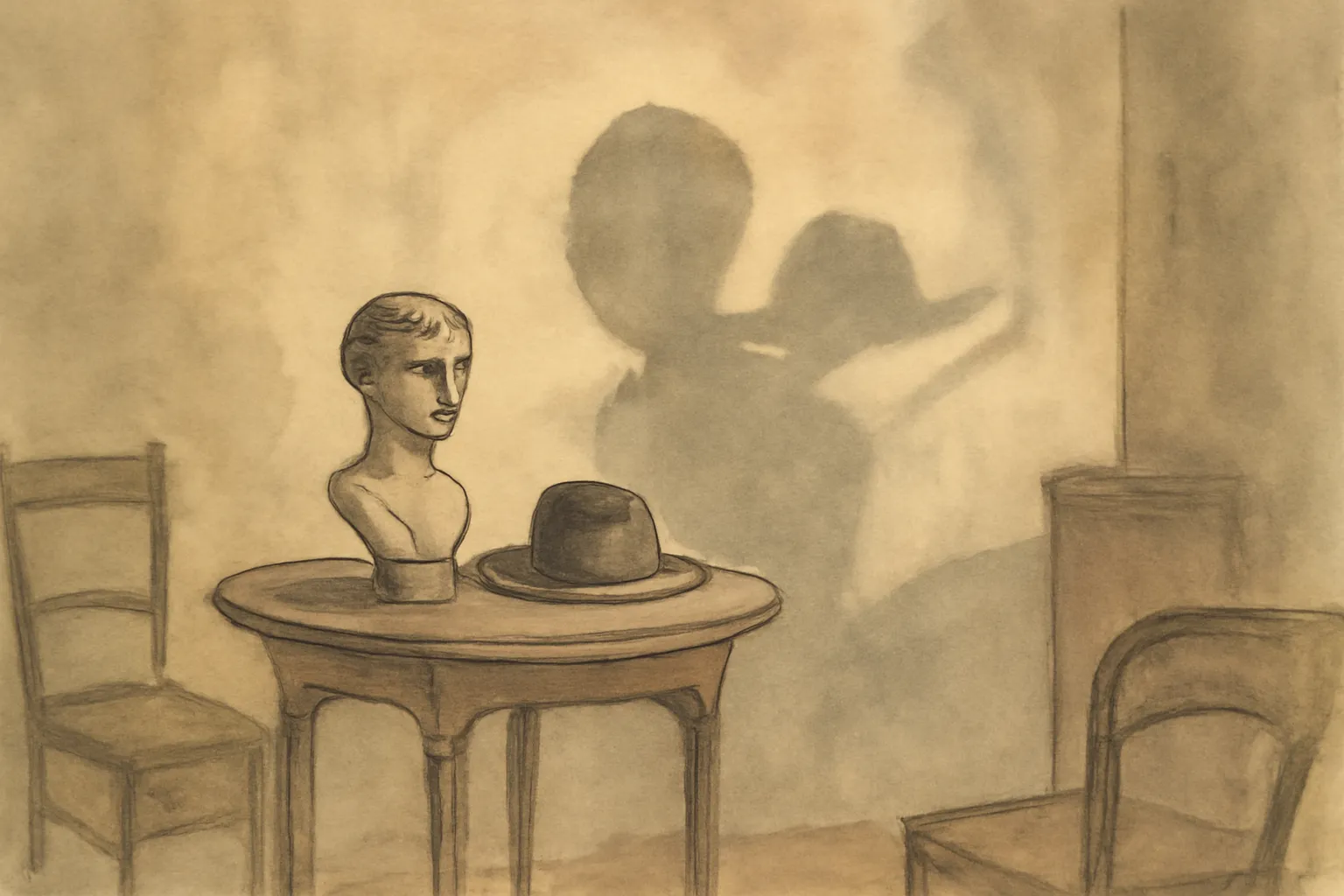
In his most extraordinary book, “one of the great clinical writers of the twentieth century” *(The New York Times)* recounts the case histories of patients lost in the bizarre, apparently inescapable world of neurological disorders. Oliver Sacks’s *The Man Who Mistook His Wife for a Hat* tells the stories of individuals afflicted with fantastic perceptual and intellectual aberrations: patients who have lost their memories and with them the greater part of their pasts; who are no longer able to recognize people and common objects; who are stricken with violent tics and grimaces or who shout involuntary obscenities; whose limbs have become alien; who have been dismissed as retarded yet are gifted with uncanny artistic or mathematical talents. If inconceivably strange, these brilliant tales remain, in Dr. Sacks’s splendid and sympathetic telling, deeply human. They are studies of life struggling against incredible adversity, and they enable us to enter the world of the neurologically impaired, to imagine with our hearts what it must be to live and feel as they do. A great healer, Sacks never loses sight of medicine’s ultimate responsibility: “the suffering, afflicted, fighting human subject.”
Sacks demonstrates that the brain is not a uniform organ but a collection of highly specialized systems, each vulnerable to unique forms of dysfunction. By presenting cases ranging from visual agnosia to amnesia and Tourette’s syndrome, he reveals how neurological disorders can fragment or radically alter perception, memory, and personality. These stories challenge our assumptions about what is 'normal' and underscore the incredible diversity of human cognition.
Rather than reducing his patients to mere pathologies, Sacks approaches each individual with empathy and curiosity. He emphasizes their humanity, artistry, and resourcefulness, even in the face of profound deficits. This approach encourages readers to see beyond the diagnosis and recognize the person within, fostering compassion and a more nuanced understanding of mental difference.
“To restore the human subject at the center—the suffering, afflicted, fighting, human subject—we must deepen a case history to a narrative or tale.”
“If a man has lost a leg or an eye, he knows he has lost a leg or an eye; but if he has lost a self—himself—he cannot know it, because he is no longer there to know it.”