1.The Unfathomable Diversity of the Mind
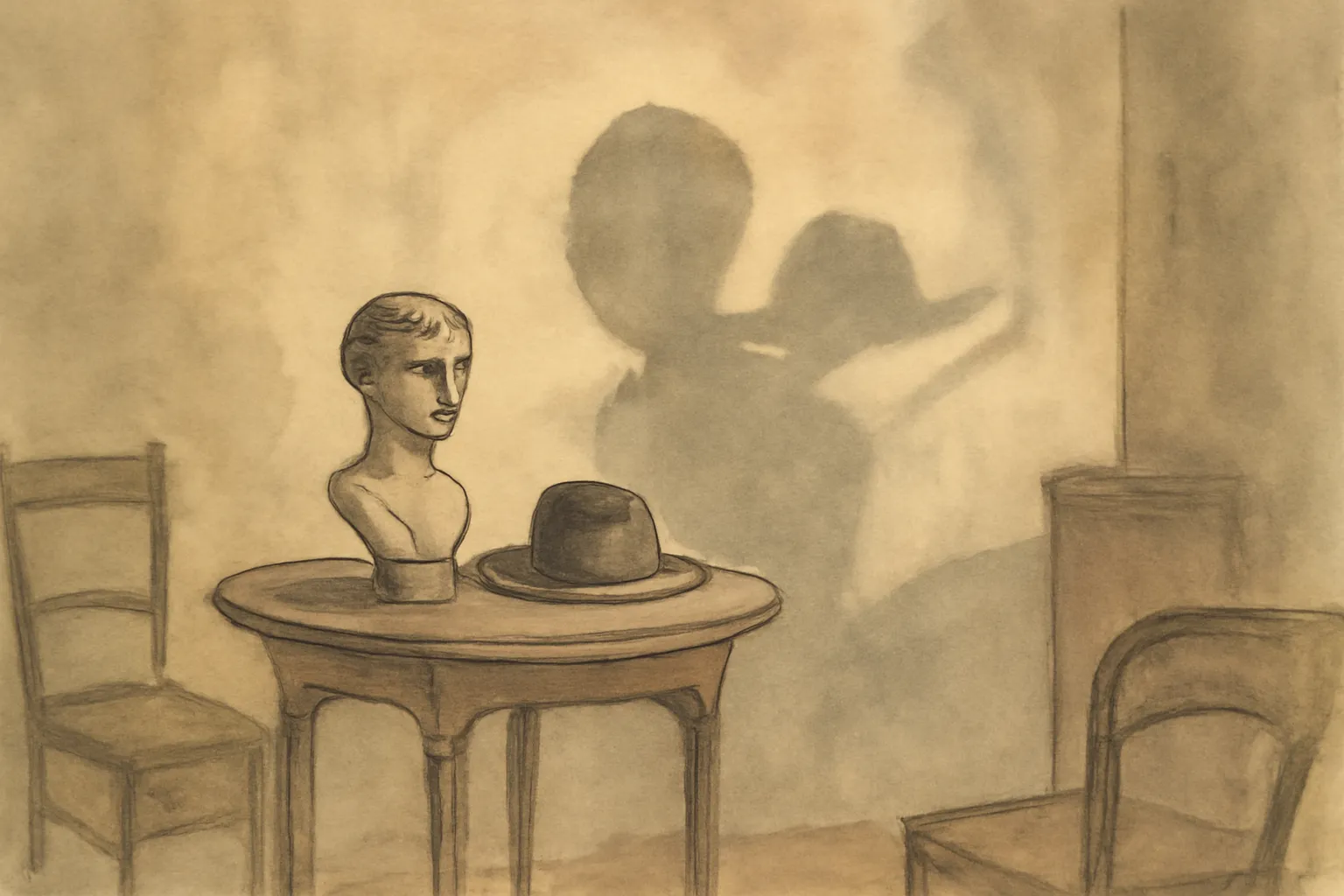
Sacks demonstrates that the brain is not a uniform organ but a collection of highly specialized systems, each vulnerable to unique forms of dysfunction. By presenting cases ranging from visual agnosia to amnesia and Tourette’s syndrome, he reveals how neurological disorders can fragment or radically alter perception, memory, and personality. These stories challenge our assumptions about what is 'normal' and underscore the incredible diversity of human cognition.
2.Humanizing Neurological Disorders
Rather than reducing his patients to mere pathologies, Sacks approaches each individual with empathy and curiosity. He emphasizes their humanity, artistry, and resourcefulness, even in the face of profound deficits. This approach encourages readers to see beyond the diagnosis and recognize the person within, fostering compassion and a more nuanced understanding of mental difference.
3.The Limits and Possibilities of Medical Science
Sacks is candid about the limitations of medical knowledge and the challenges of treating complex neurological conditions. He suggests that medicine must go beyond symptom management to consider the lived experiences and emotional realities of patients. The book advocates for a holistic approach that values narrative and subjectivity alongside scientific analysis.
4.Identity and the Brain
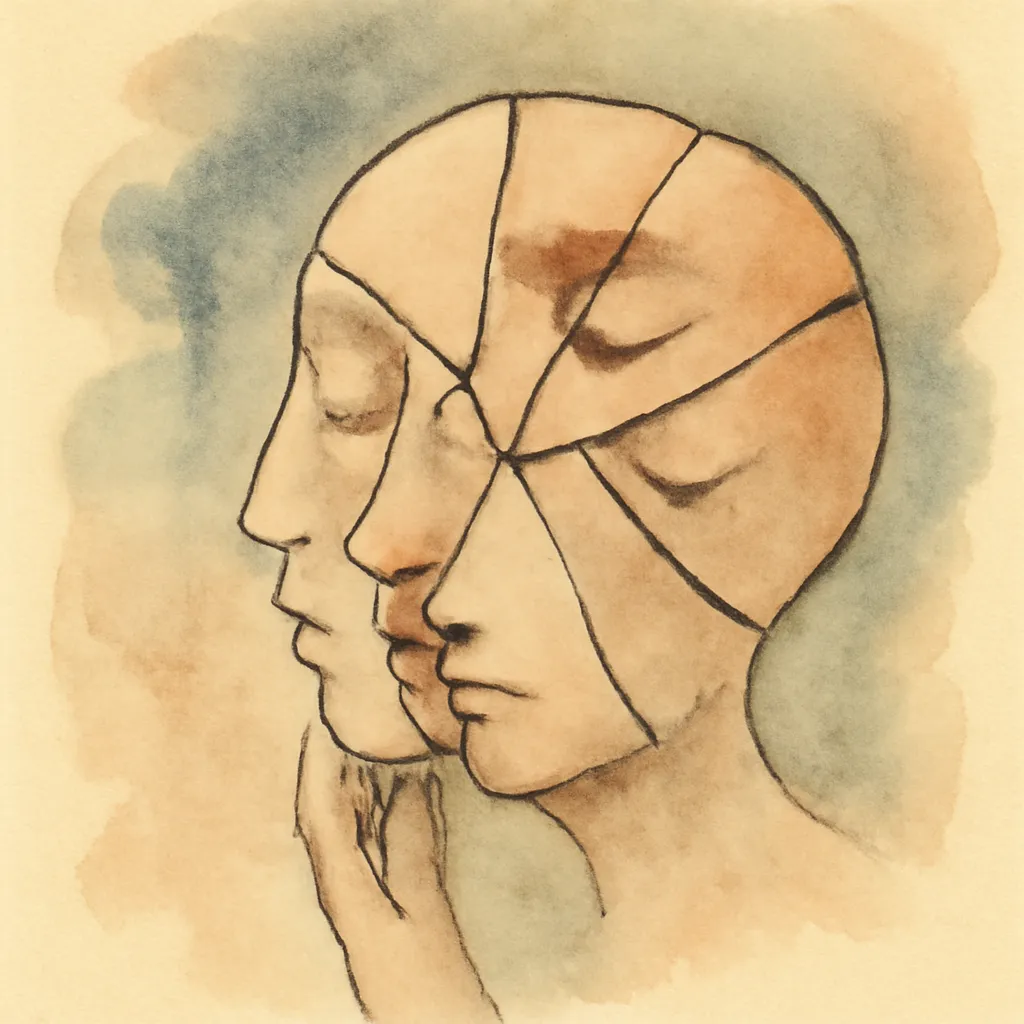
Many of Sacks’s case studies probe the relationship between brain function and personal identity. When memory, perception, or language are disrupted, so too is the sense of self. These stories raise profound philosophical questions: What makes us who we are? How much of our identity is rooted in the brain’s fragile workings?
5.Adaptation and Creativity in Adversity
Despite their challenges, many patients in the book display remarkable adaptability and even creative flourishing. Sacks highlights cases where neurological deficits give rise to new forms of expression or heightened abilities, such as artistic or musical talent. This theme underscores the resilience of the human spirit and the brain’s capacity for compensation and reinvention.
6.The Importance of Storytelling in Medicine
Sacks’s narrative style itself is a key idea: he argues that understanding a patient’s story is as crucial as diagnosing their symptoms. By weaving clinical observation with personal narrative, he models a form of medical practice that honors both scientific rigor and human experience.