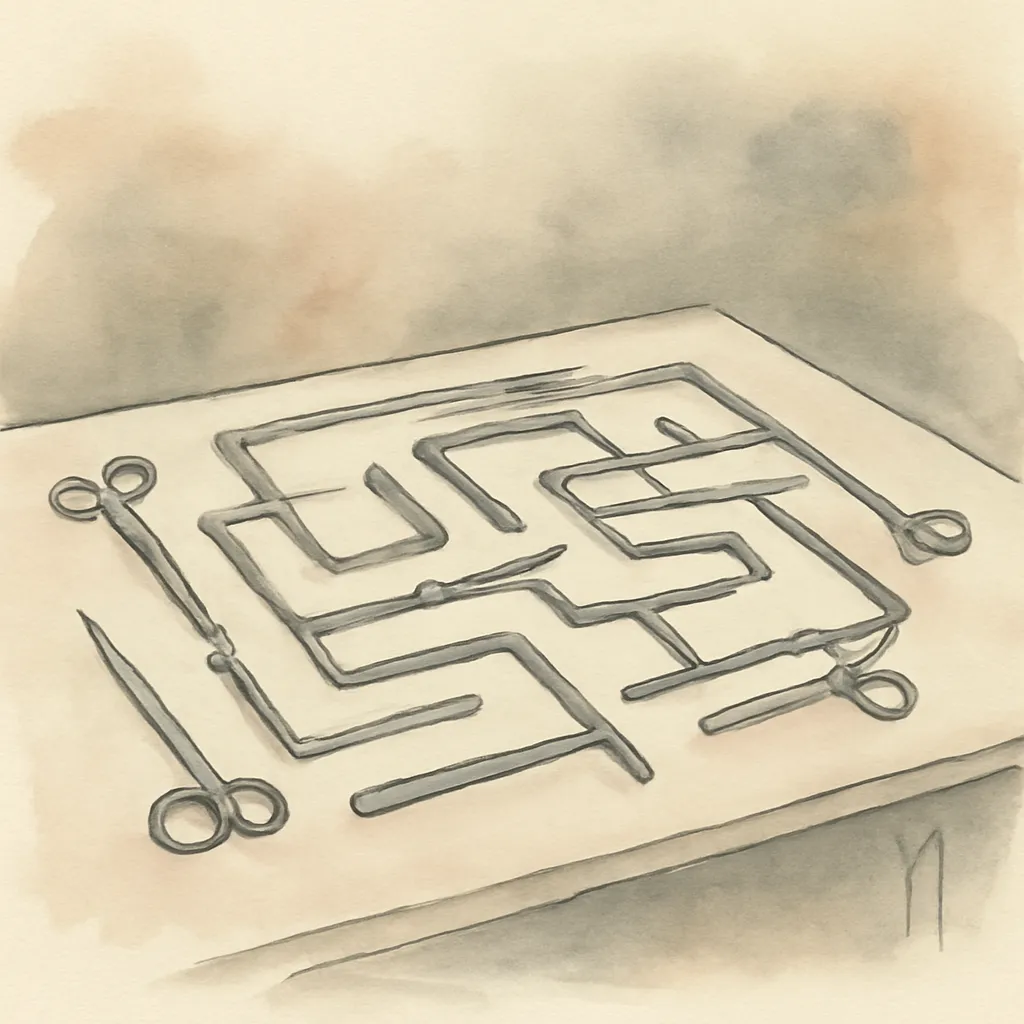
1.The Uncertainty and Risk of Neurosurgery
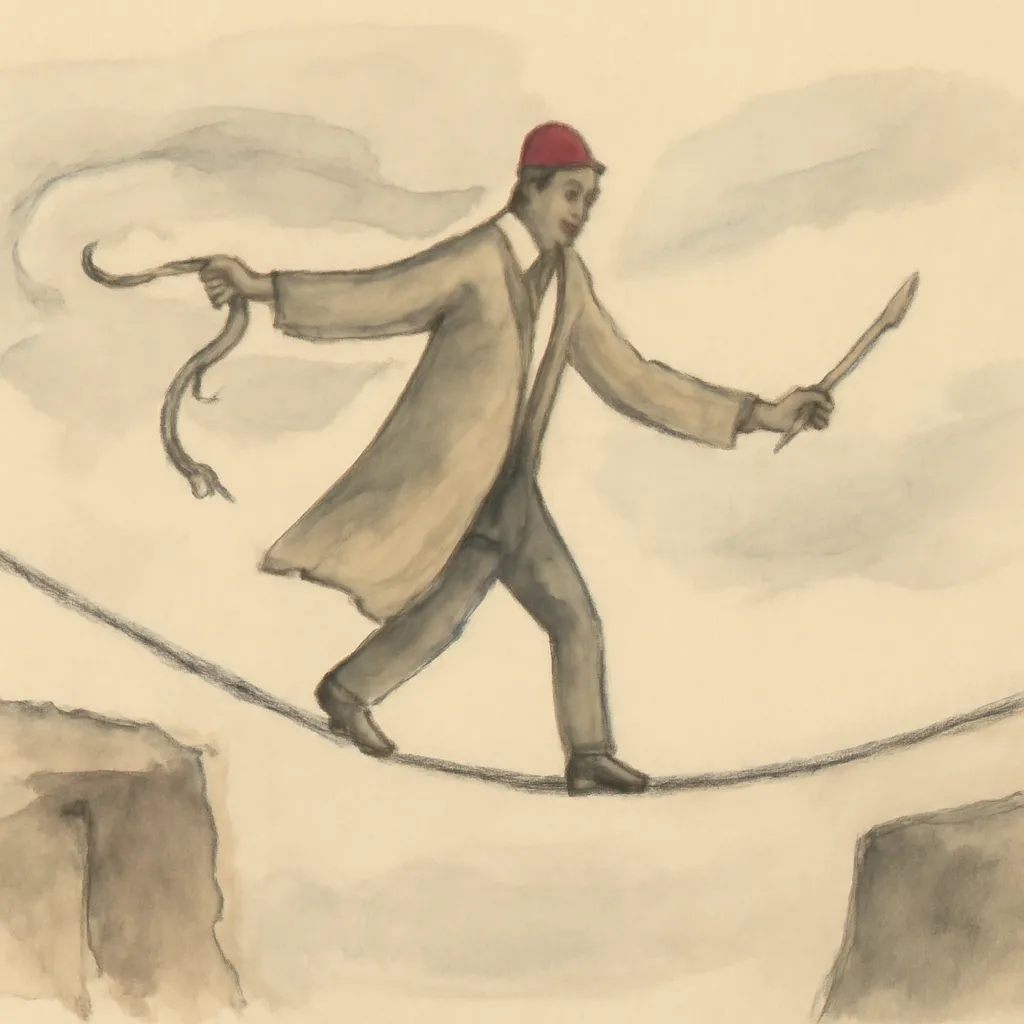
Henry Marsh lays bare the constant uncertainty that shadows every decision in neurosurgery. Unlike the popular image of the surgeon as a cool, decisive expert, Marsh shows how even the most experienced doctors must often act with incomplete information, weighing grave risks against the slim hope of benefit. He emphasizes that mistakes and complications are inevitable, and that the line between help and harm is often distressingly thin. This honest exploration of uncertainty challenges the myth of medical omnipotence, inviting readers to appreciate the courage and humility required in the field.
2.The Emotional Toll of Medical Error
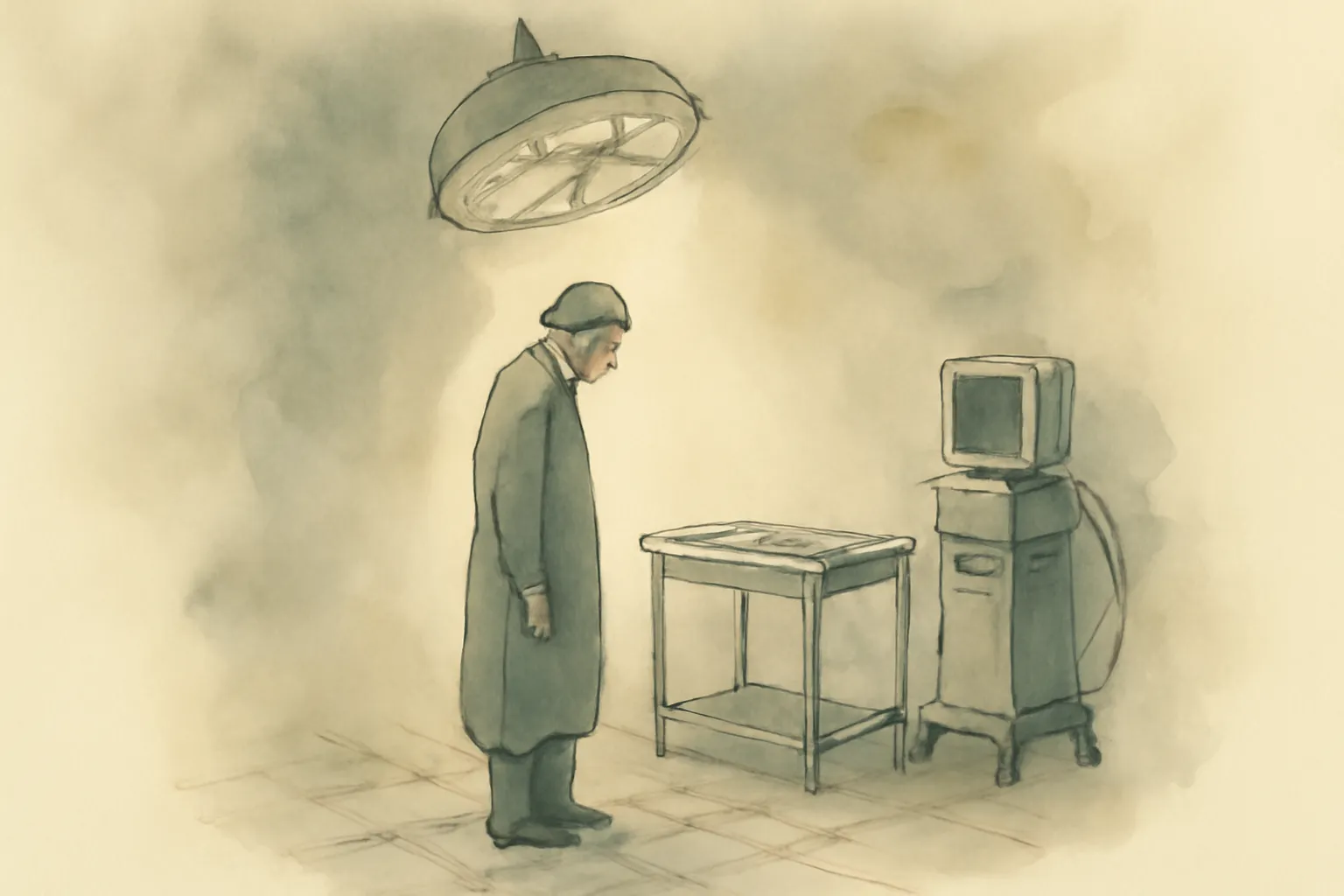
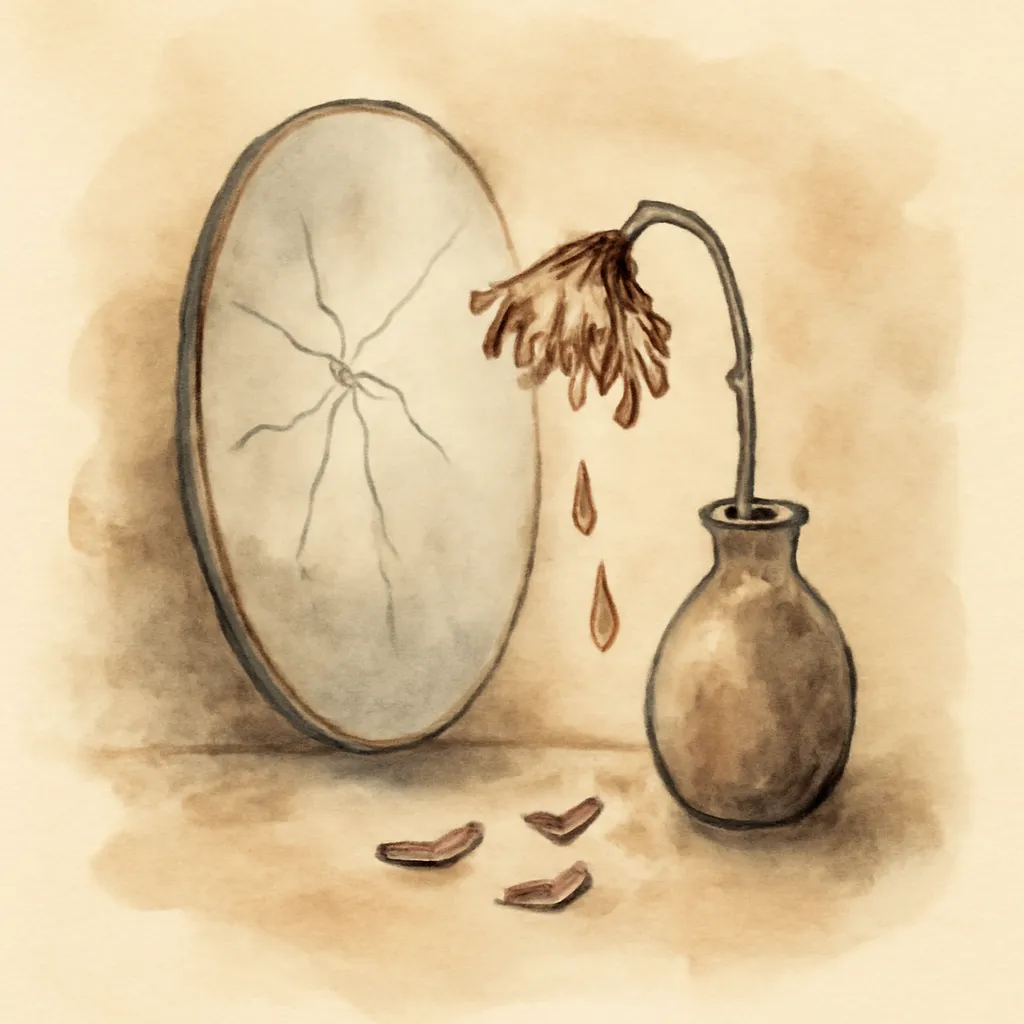
Marsh is unflinching in his discussion of error, regret, and guilt. He recounts cases where his interventions led to devastating outcomes, and how these experiences haunt him. Rather than shying away from his failures, he analyzes them, exposing the emotional cost to doctors as well as patients. This focus on vulnerability and fallibility is rare in medical memoirs, and it humanizes both the practitioner and the profession, offering a counterpoint to the stereotype of the detached, infallible surgeon.
3.The Humanity of the Patient-Doctor Relationship
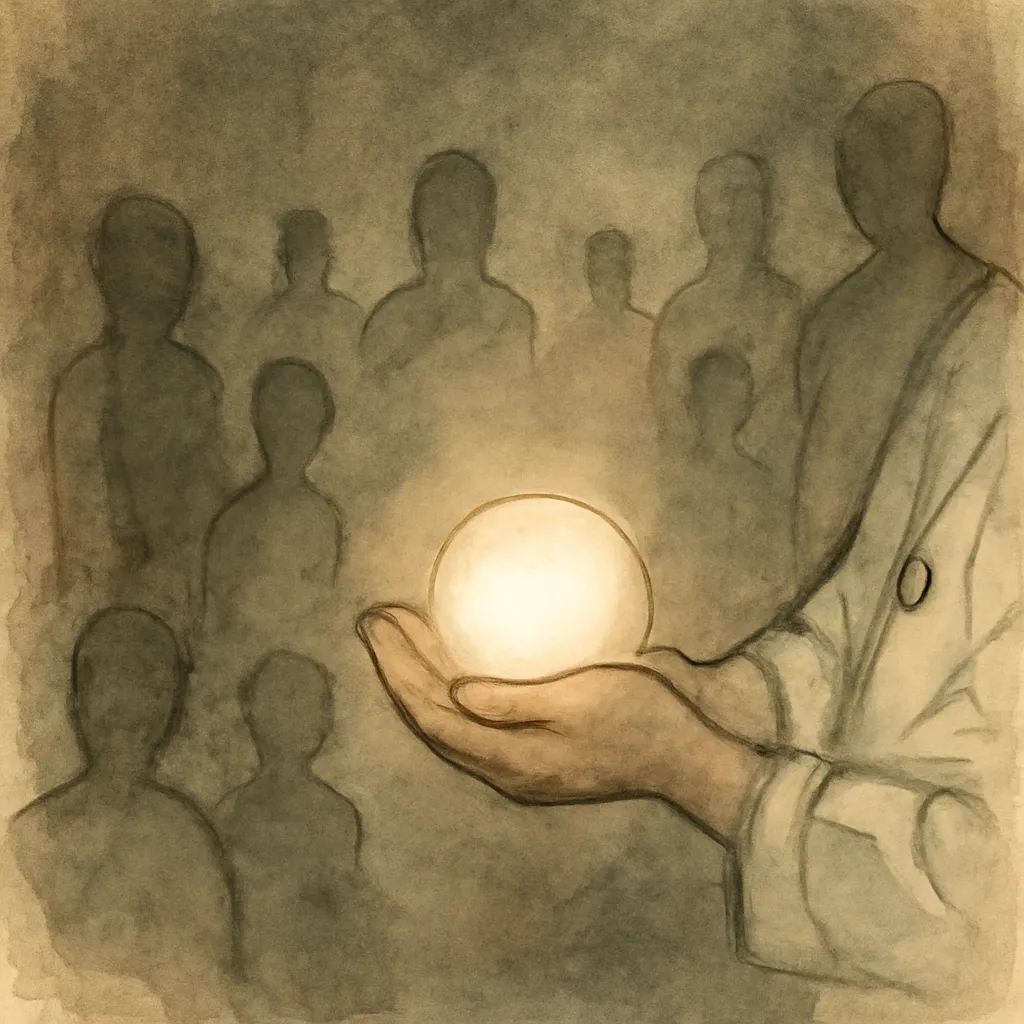
Central to Marsh's narrative is the complex, often fraught relationship between surgeon and patient. He describes the burden of hope placed on him by desperate families, the challenge of communicating risk, and the weight of responsibility he feels for his patients' lives and deaths. Marsh’s candor about his own emotions—fear, frustration, empathy—reminds readers that medicine is as much about human connection as technical skill. He argues that honesty, humility, and compassion are as vital as surgical expertise.
4.The Limits of Medical Technology and Knowledge
Despite the awe-inspiring capabilities of modern neurosurgery, Marsh insists on the limits of what medicine can achieve. He describes cases where surgery offers little hope, or where intervention may do more harm than good. By confronting the boundaries of science and the unpredictability of the human brain, Marsh encourages a more realistic, less heroic view of medicine—one that values quality of life and patient dignity over technological triumph.
5.The Culture and Pressures of Modern Medicine
Marsh critiques the bureaucratic, managerial culture that increasingly shapes hospital life, lamenting how paperwork, targets, and fear of litigation can undermine patient care and doctor morale. He contrasts the ideals that drew him to medicine with the realities of underfunded wards and institutional constraints. This perspective adds a broader social and ethical dimension to the memoir, prompting readers to consider the systemic challenges facing healthcare.
6.Finding Meaning Amid Suffering and Failure
Ultimately, Marsh’s memoir is about finding meaning in a profession defined by suffering, uncertainty, and frequent failure. He finds purpose not in perfection, but in the honest pursuit of doing good, learning from mistakes, and maintaining hope in the face of tragedy. This philosophy, hard-won through decades of practice, offers a profound lesson in resilience and humility for doctors and laypeople alike.