
Atmospheric Greenhouse effect · Environmental degradation · Climatic changes
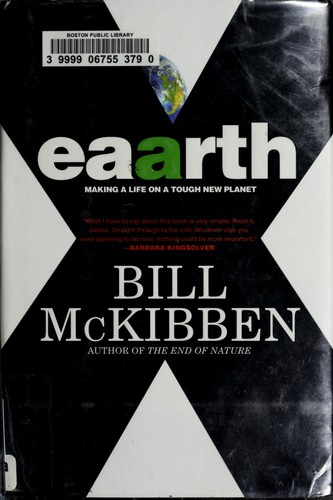
Eaarth: Making a Life on a Tough New Planet by Bill McKibben — Summary, Key Ideas & Quotes
2010280 pages✦ 3-min Big ideas
Rate it
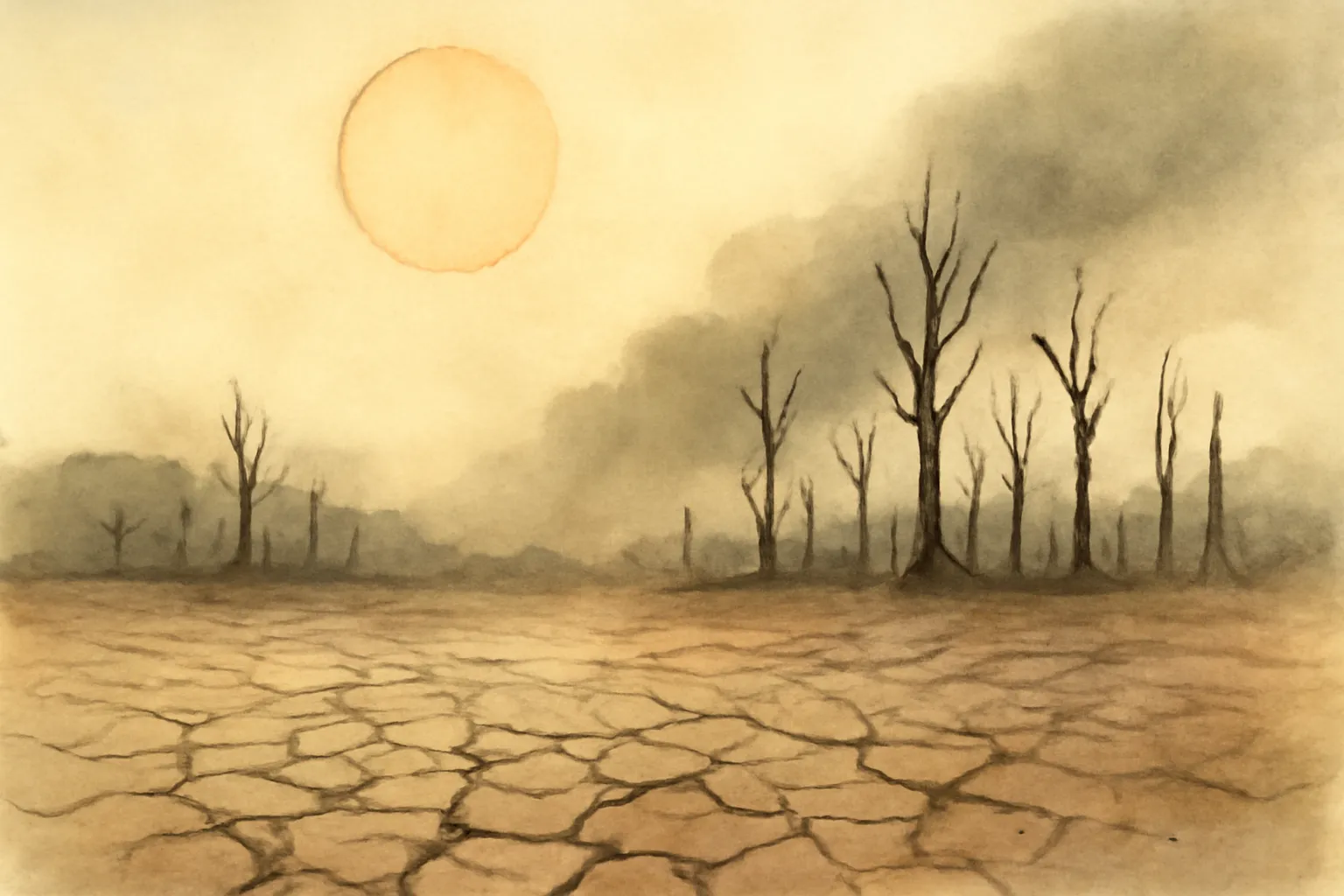
McKibben’s central thesis is that the planet we inhabit has changed so dramatically due to climate change that it deserves a new name: 'Eaarth.' He argues that the familiar, stable conditions that allowed civilization to flourish no longer exist. The new planet is hotter, more volatile, and less predictable, with altered weather patterns, rising sea levels, and diminished resources. Recognizing this profound shift is the first step in responding effectively to our environmental crisis.
A major focus of Eaarth is the critique of perpetual economic growth. McKibben contends that the pursuit of endless expansion is both unsustainable and dangerous on a planet with finite resources and mounting ecological limits. He calls for a reimagining of prosperity, urging societies to prioritize resilience, stability, and sustainability over unchecked growth. This means rethinking infrastructure, consumption, and the very goals of our economies.
“The planet on which our civilization evolved no longer exists.”
“We need to scale back, to go local, to build resilience rather than growth.”

