Atmospheric Greenhouse effect · Effect of human beings on · Environmental protection
The End of Nature by Bill McKibben — Summary, Key Ideas & Quotes
1989226 pages✦ 3-min Big ideas
Rate it
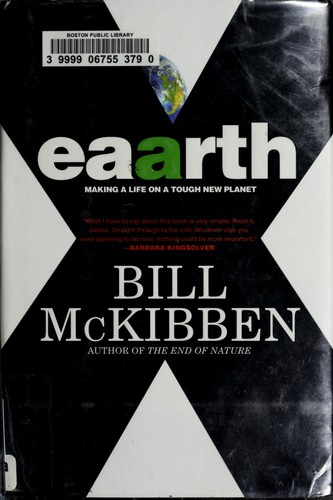
"First published in 1989 in seventeen languages on six continents, The End of Nature has changed the way many people view the planet. Now, in a special tenth anniversary edition, the author presents a new introduction for this classic work on our environmental crisis reviewing the progress made and ground lost in the fight to save the earth.". "An impassioned plea for radical and life-renewing change, it is still considered a groundbreaking work in environmental studies. Bill McKibben's argument that the survival of the globe is dependent on a fundamental philosophical shift in the way we relate to nature is more relevant than ever. McKibben writes of our earth's environmental cataclysm, addressing such core issues as the greenhouse effect, acid rain, and the depletion of the ozone layer."--BOOK JACKET.
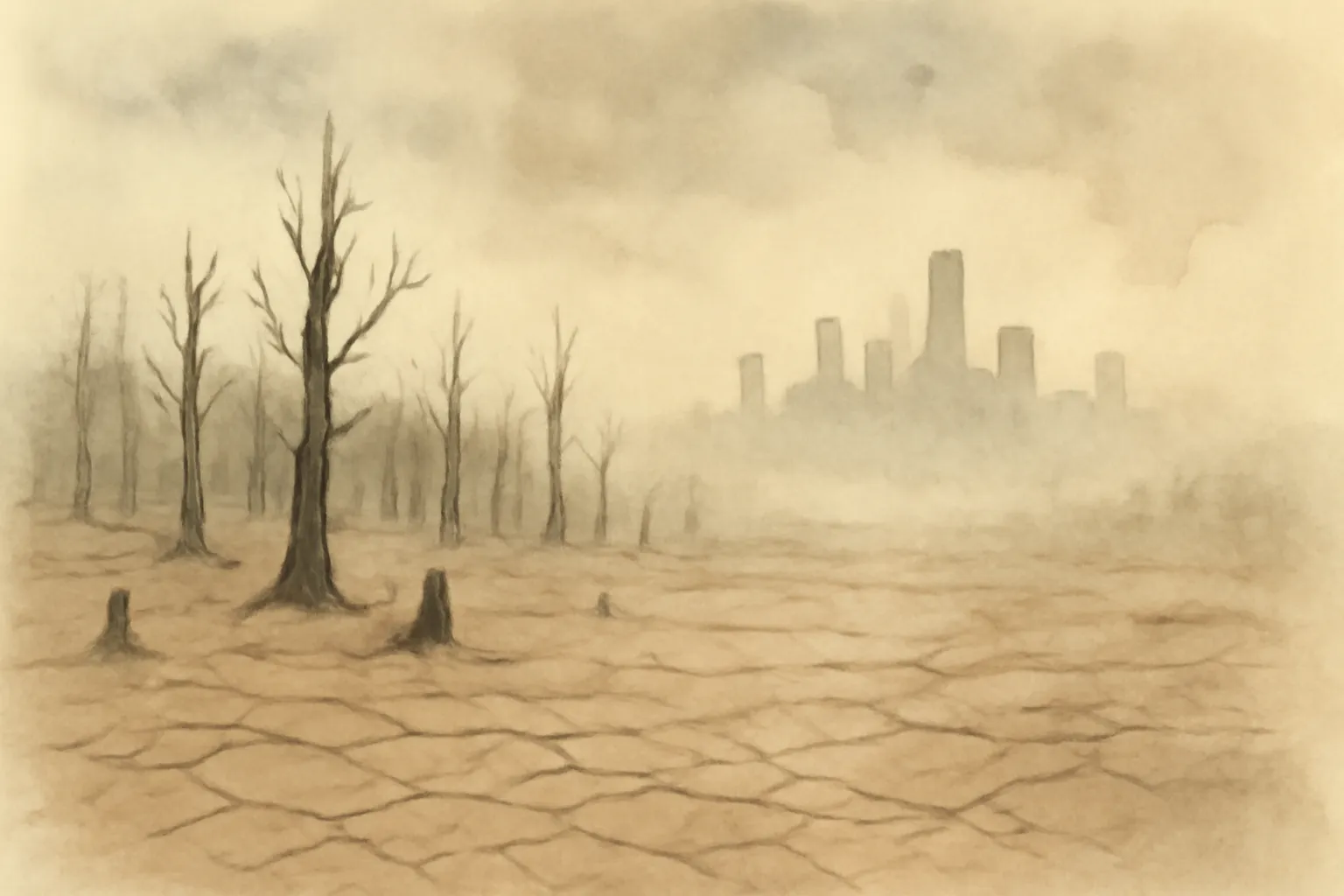
McKibben’s central thesis is that nature, as something separate from humanity, has ended. Through activities like burning fossil fuels and altering the atmosphere, humans have fundamentally changed the planet’s systems. Nature is no longer a force operating independently of us; instead, it has become something we shape and control, often unintentionally. This loss of an autonomous nature is both a physical and philosophical turning point, forcing us to confront the consequences of our actions and the illusion that nature is an inexhaustible, resilient backdrop.
One of the book’s most prescient discussions is about the greenhouse effect and global warming. McKibben explains how the accumulation of greenhouse gases is not just a technical problem but a transformative event in Earth’s history. Unlike previous environmental crises, climate change is global, invisible, and irreversible on human timescales. This means that even remote, seemingly pristine places are now subject to human influence, erasing the boundary between civilization and wilderness.
“The end of nature is not an environmental problem; it is an existential one.”
“We have changed the atmosphere, and thus we are changing the weather.”