1.Nature as a Human Artifact
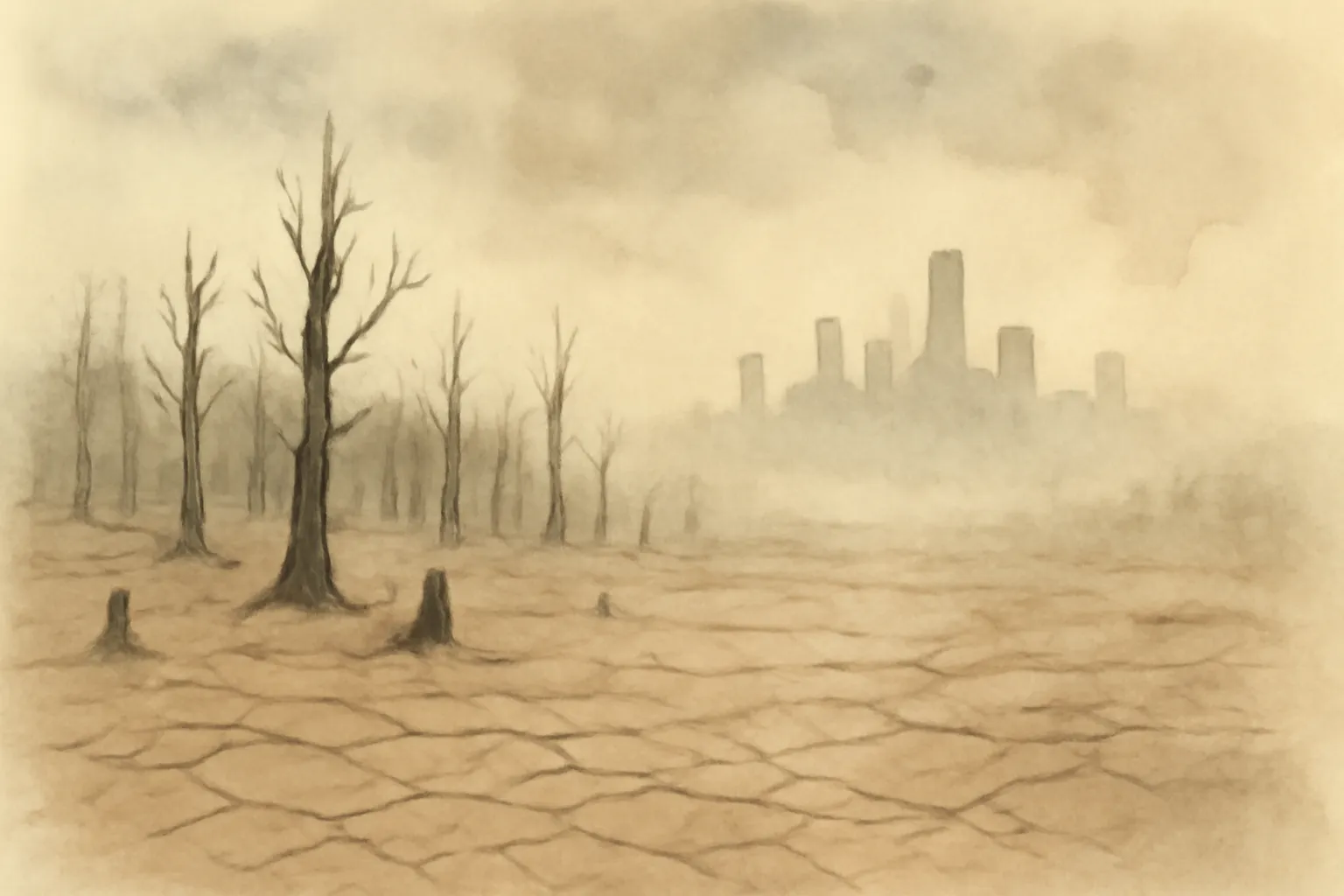
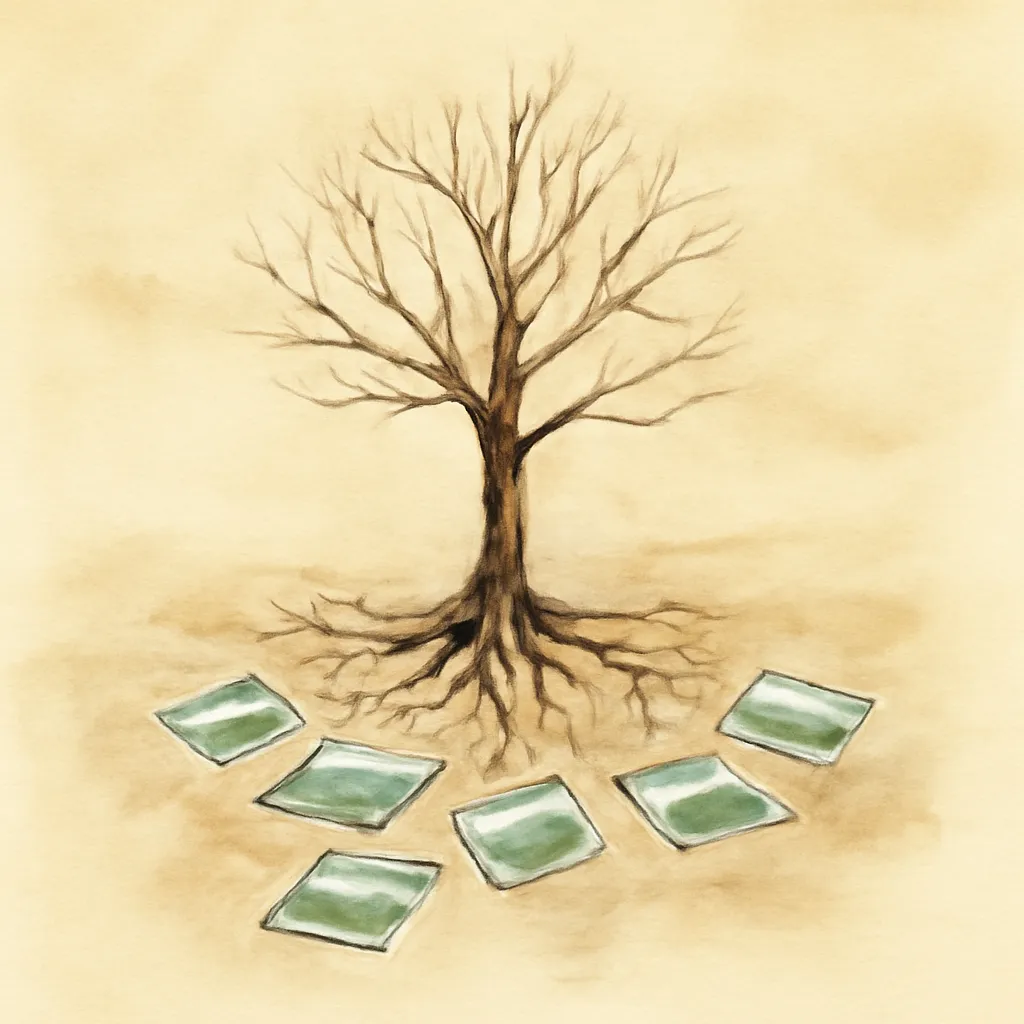
McKibben’s central thesis is that nature, as something separate from humanity, has ended. Through activities like burning fossil fuels and altering the atmosphere, humans have fundamentally changed the planet’s systems. Nature is no longer a force operating independently of us; instead, it has become something we shape and control, often unintentionally. This loss of an autonomous nature is both a physical and philosophical turning point, forcing us to confront the consequences of our actions and the illusion that nature is an inexhaustible, resilient backdrop.
2.The Greenhouse Effect and Irreversible Change
One of the book’s most prescient discussions is about the greenhouse effect and global warming. McKibben explains how the accumulation of greenhouse gases is not just a technical problem but a transformative event in Earth’s history. Unlike previous environmental crises, climate change is global, invisible, and irreversible on human timescales. This means that even remote, seemingly pristine places are now subject to human influence, erasing the boundary between civilization and wilderness.
3.The Limits of Technological Solutions
McKibben is skeptical of the idea that technology alone can solve environmental problems. He warns that relying on technological fixes perpetuates the same mindset that caused the crisis: a belief in endless growth and mastery over nature. Instead, he argues for restraint, humility, and a willingness to accept limits. The book challenges the reader to consider not just how to mitigate damage, but how to fundamentally change the way we live and relate to the planet.
4.A Call for Philosophical and Cultural Shift
Beyond policy and science, McKibben insists that what’s needed is a deep philosophical shift. He critiques modernity’s separation of humans from nature and calls for a renewed sense of humility, stewardship, and interconnectedness. This means rethinking progress, consumption, and our definitions of happiness and success. The book suggests that only by changing our values can we hope to address the scale of the crisis.
5.The Emotional and Spiritual Cost
McKibben explores the psychological and spiritual dimensions of environmental loss. He argues that the end of nature is not just a scientific fact but an existential wound. The knowledge that there is no longer any place on Earth untouched by human activity changes our sense of wonder, belonging, and meaning. This loss, he suggests, is as profound as any material damage, and it demands mourning as well as action.
6.Hope and the Possibility of Change
Despite its somber tone, The End of Nature is not entirely pessimistic. McKibben holds out hope that recognizing the depth of the crisis can lead to meaningful change. He points to the power of individual and collective action, the potential for new forms of community, and the resilience of both people and ecosystems. The book ultimately calls for courage and imagination in facing an unprecedented challenge.