1.We No Longer Live on the Old Earth
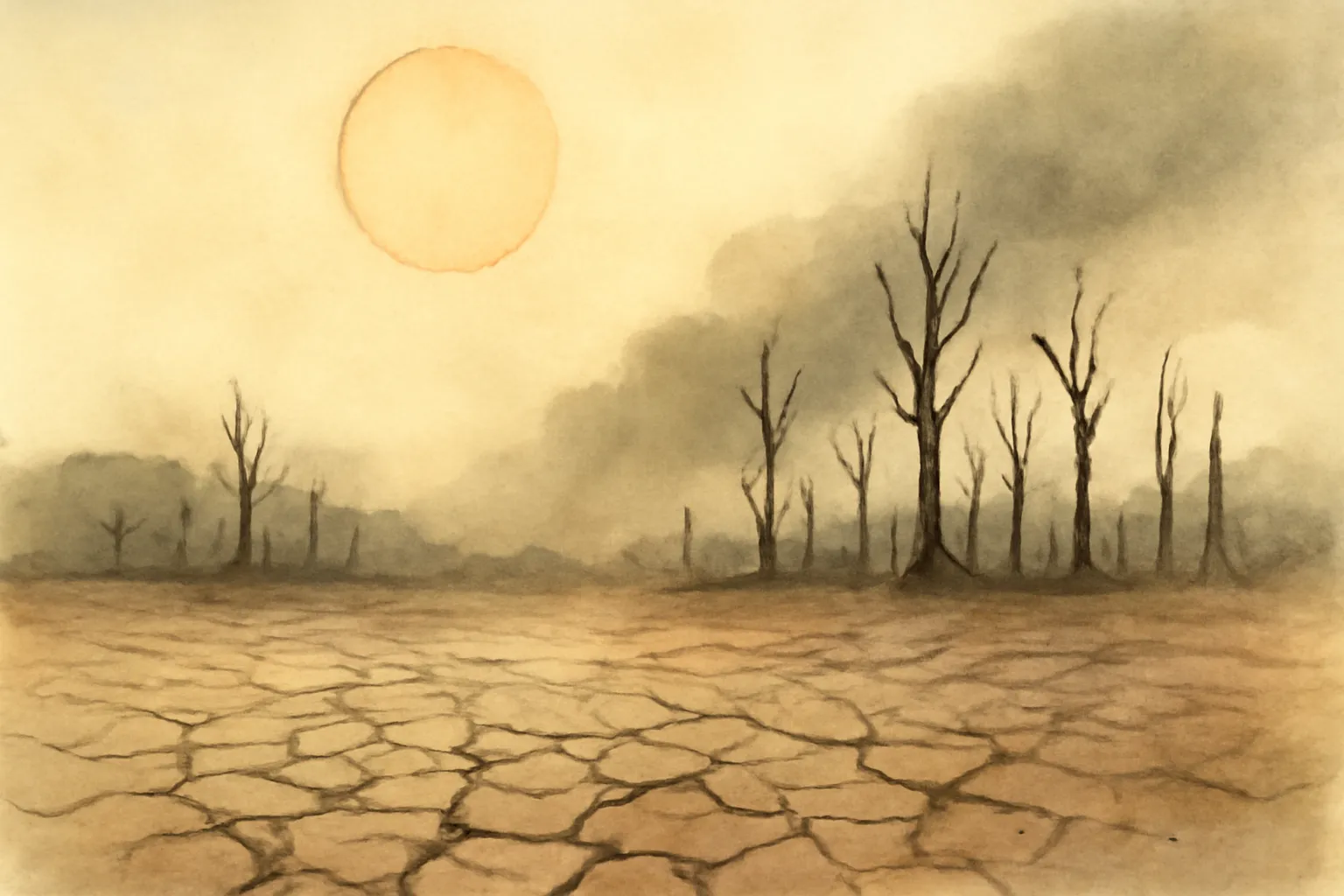
McKibben’s central thesis is that the planet we inhabit has changed so dramatically due to climate change that it deserves a new name: 'Eaarth.' He argues that the familiar, stable conditions that allowed civilization to flourish no longer exist. The new planet is hotter, more volatile, and less predictable, with altered weather patterns, rising sea levels, and diminished resources. Recognizing this profound shift is the first step in responding effectively to our environmental crisis.
2.The End of Endless Growth
A major focus of Eaarth is the critique of perpetual economic growth. McKibben contends that the pursuit of endless expansion is both unsustainable and dangerous on a planet with finite resources and mounting ecological limits. He calls for a reimagining of prosperity, urging societies to prioritize resilience, stability, and sustainability over unchecked growth. This means rethinking infrastructure, consumption, and the very goals of our economies.
3.Rethinking Community and Scale
McKibben advocates for a shift from globalized, large-scale systems to more localized, community-based approaches. He believes that smaller, decentralized networks—whether in food, energy, or governance—are more adaptable and resilient in the face of climate disruptions. By strengthening local ties and reducing dependence on distant, fragile supply chains, communities can better weather the shocks of 'Eaarth.'
4.Adaptation Over Prevention
While McKibben still supports efforts to mitigate climate change, he argues that the time for prevention has largely passed. The damage is already done; adaptation is now essential. This involves preparing for more frequent disasters, investing in infrastructure that can withstand extreme weather, and accepting that some losses are inevitable. The focus must shift from stopping change to surviving and thriving within it.
5.Political and Social Obstacles
Eaarth doesn’t shy away from the political challenges of responding to climate change. McKibben discusses the inertia of governments, the influence of fossil fuel interests, and the psychological resistance to accepting a changed world. He emphasizes that meaningful change requires both grassroots action and policy shifts, but warns that entrenched systems and denialism make progress difficult.
6.Hope Through Practical Action
Despite its grim assessment, Eaarth is not a book of despair. McKibben offers examples of communities and individuals who are already adapting, building renewable energy projects, relocalizing food systems, and fostering social cohesion. He argues that hope lies in practical, collective action—finding meaning and purpose in the work of rebuilding and caring for our changed home.