

Drama · Plays
Flowers for Algernon by Rogers, David — Summary, Key Ideas & Quotes
1969117 pages✦ 3-min Big ideas★ 5.0 (1)
Rate it
The compelling story of Charlie Gordon, willing victim of a strange experiment - a moron, a genius, a man in search of himself. Poignant, funny, tragic, but with a hope for the indomitable spirit of man, this unusual play tells a story you will long remember. It also offers a magnificent role.
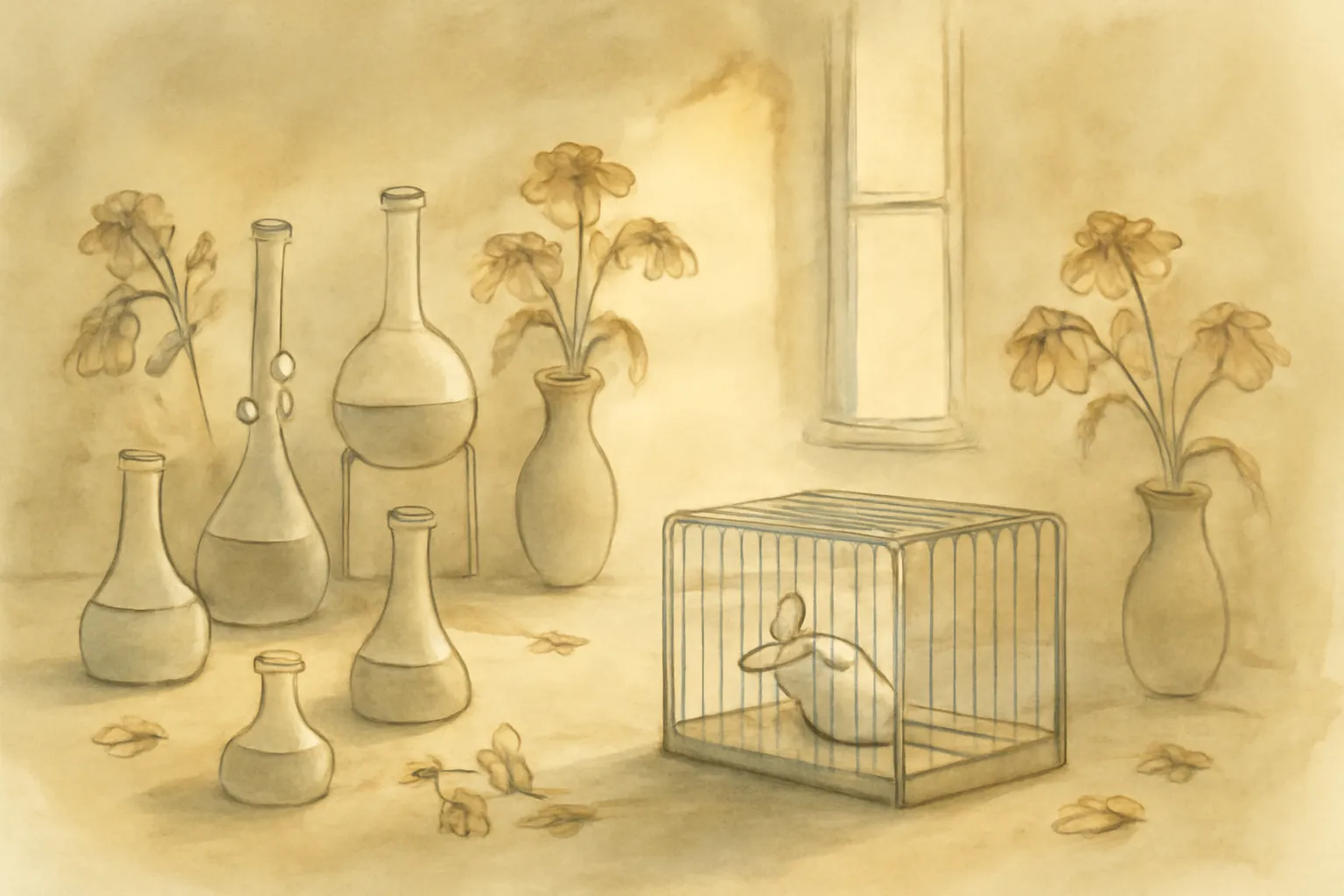
At the heart of Flowers for Algernon is a provocative exploration of the moral responsibilities that come with scientific advancement. Charlie Gordon, a man with an intellectual disability, undergoes an experimental surgery to increase his intelligence. The play raises urgent questions: Do scientists have the right to alter a person's mind for the sake of knowledge? What are the consequences when subjects are not fully able to consent or understand the risks? Through Charlie’s journey, Rogers dramatizes the human cost of treating people as means to an end, urging audiences to consider the ethical boundaries of progress.
Charlie’s transformation from 'moron' to genius is not just intellectual but existential. As his intelligence grows, so does his awareness of the world and himself. The play poignantly depicts Charlie’s struggle to reconcile his past and present selves, and to find acceptance in a society that values intellect over kindness. His journey highlights the pain of alienation and the universal human need for connection and self-acceptance, regardless of cognitive ability.