1.The Ethics of Scientific Experimentation
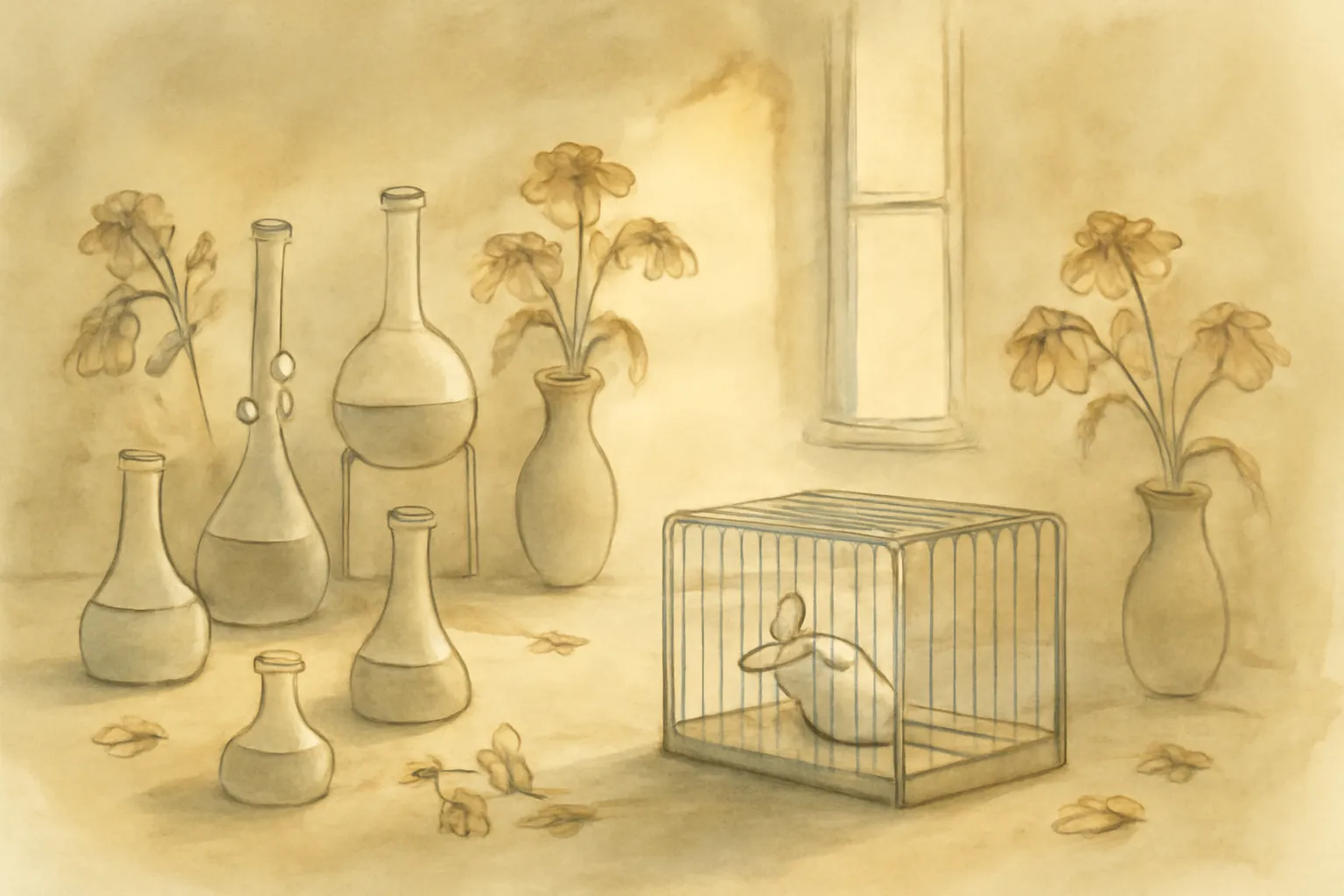
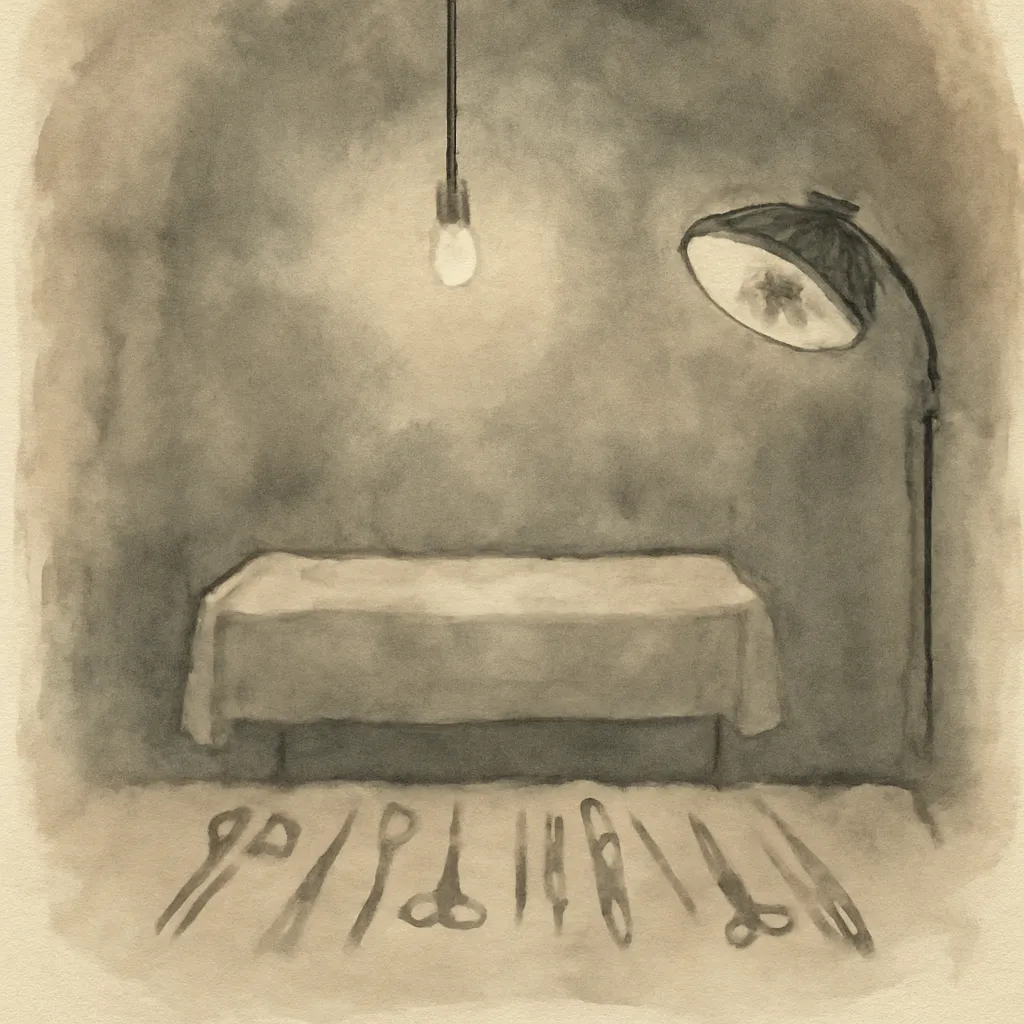
At the heart of Flowers for Algernon is a provocative exploration of the moral responsibilities that come with scientific advancement. Charlie Gordon, a man with an intellectual disability, undergoes an experimental surgery to increase his intelligence. The play raises urgent questions: Do scientists have the right to alter a person's mind for the sake of knowledge? What are the consequences when subjects are not fully able to consent or understand the risks? Through Charlie’s journey, Rogers dramatizes the human cost of treating people as means to an end, urging audiences to consider the ethical boundaries of progress.
2.The Search for Identity and Self-Worth
Charlie’s transformation from 'moron' to genius is not just intellectual but existential. As his intelligence grows, so does his awareness of the world and himself. The play poignantly depicts Charlie’s struggle to reconcile his past and present selves, and to find acceptance in a society that values intellect over kindness. His journey highlights the pain of alienation and the universal human need for connection and self-acceptance, regardless of cognitive ability.
3.The Illusion of Intelligence as Fulfillment
Rogers challenges the assumption that intelligence alone brings happiness or fulfillment. Charlie’s initial belief that becoming smarter will solve his problems is gradually undermined as he experiences loneliness, misunderstanding, and the loss of innocence. The play suggests that emotional intelligence, empathy, and love are just as vital—if not more so—than raw intellect, and that the pursuit of intelligence can sometimes come at a tragic personal cost.
4.Society’s Treatment of the 'Other'
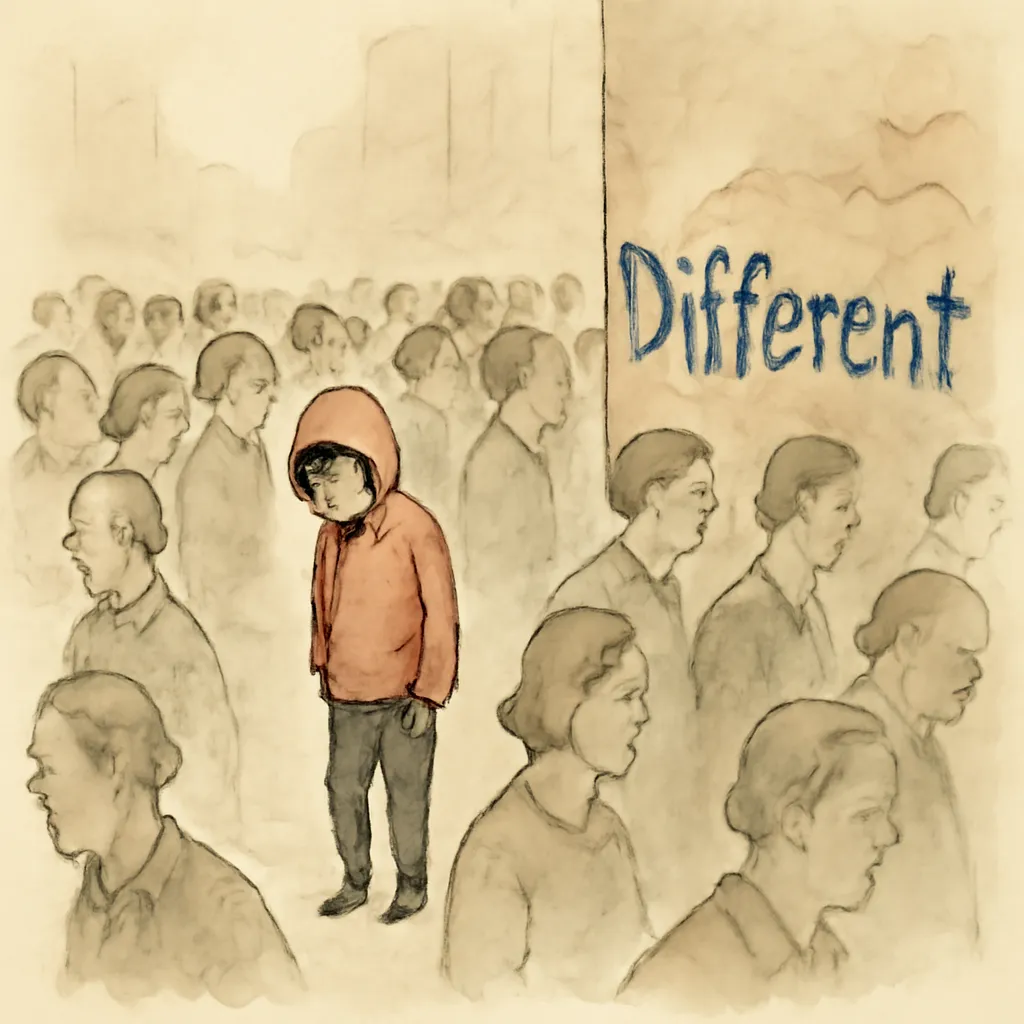
Flowers for Algernon exposes the ways society marginalizes and mistreats those who are different. Before his operation, Charlie is ridiculed and patronized; after, he is feared and resented. Rogers uses Charlie’s shifting status to critique the superficiality of social acceptance and the cruelty of those who define others solely by their abilities. The play asks us to reflect on our own prejudices and the true meaning of dignity.
5.Memory, Loss, and the Fragility of Progress
As Charlie’s intelligence peaks and then declines, the play becomes a meditation on the impermanence of knowledge and the inevitability of loss. The fleeting nature of Charlie’s transformation underscores the fragility of human achievement and the pain of remembering what once was. This cyclical journey from innocence to enlightenment and back again is both tragic and deeply human, reminding audiences of the limits of control over our own destinies.