

Translations into English · Drama · Gentry
The Cherry Orchard by Anton Chekhov — Summary, Key Ideas & Quotes
191888 pages✦ 3-min Big ideas★ 4.1 (9)
Rate it
""Pevear and Volokhonsky are at once scrupulous translators and vivid stylists of English."-The New YorkerThere have always been two versions of Chekhov's heartrending and humorous masterwork: the one with which we are all familiar, staged by Konstatine Stanislavski at the Moscow Art Theatre in 1904, and the one Chekhov had originally envisioned. Now, for the first time, both are available and published here in a single volume in translations by the renowned playwright Richard Nelson and Richard Peavar and Larissa Volokhonsky, the foremost contemporary translators of classic Russian literature. Shedding new light on this most revered play, the translators reconstructed the script Chekhov first submitted and all of the changes he made prior to rehearsal. The result is a major event in the publishing of Chekhov's canon.Richard Nelson's many plays include Rodney's Wife, Goodnight Children Everywhere, Drama Desk-nominated Franny's Way and Some Americans Abroad, Tony Award-nominated Two Shakespearean Actors and James Joyce's The Dead (with Shaun Davey), for which he won a Tony Award for Best Book of a Musical, and the critically acclaimed, searing play cycle, The Apple Family Plays.Richard Pevear and Larissa Volokhonsky have produced acclaimed translations of Leo Tolstoy, Fyodor Dostoevsky, Nikolai Gogol, Anton Chekhov, and Mikhail Bulgakov. Their translations of The Brothers Karamazov and Anna Karenina won the 1991 and 2002 PEN/Book-of-the-Month Club Translation Prizes. Pevvear, a native of Boston, and Volokhonsjky, of St. Petersburg, are married to each other and live in Paris. "--
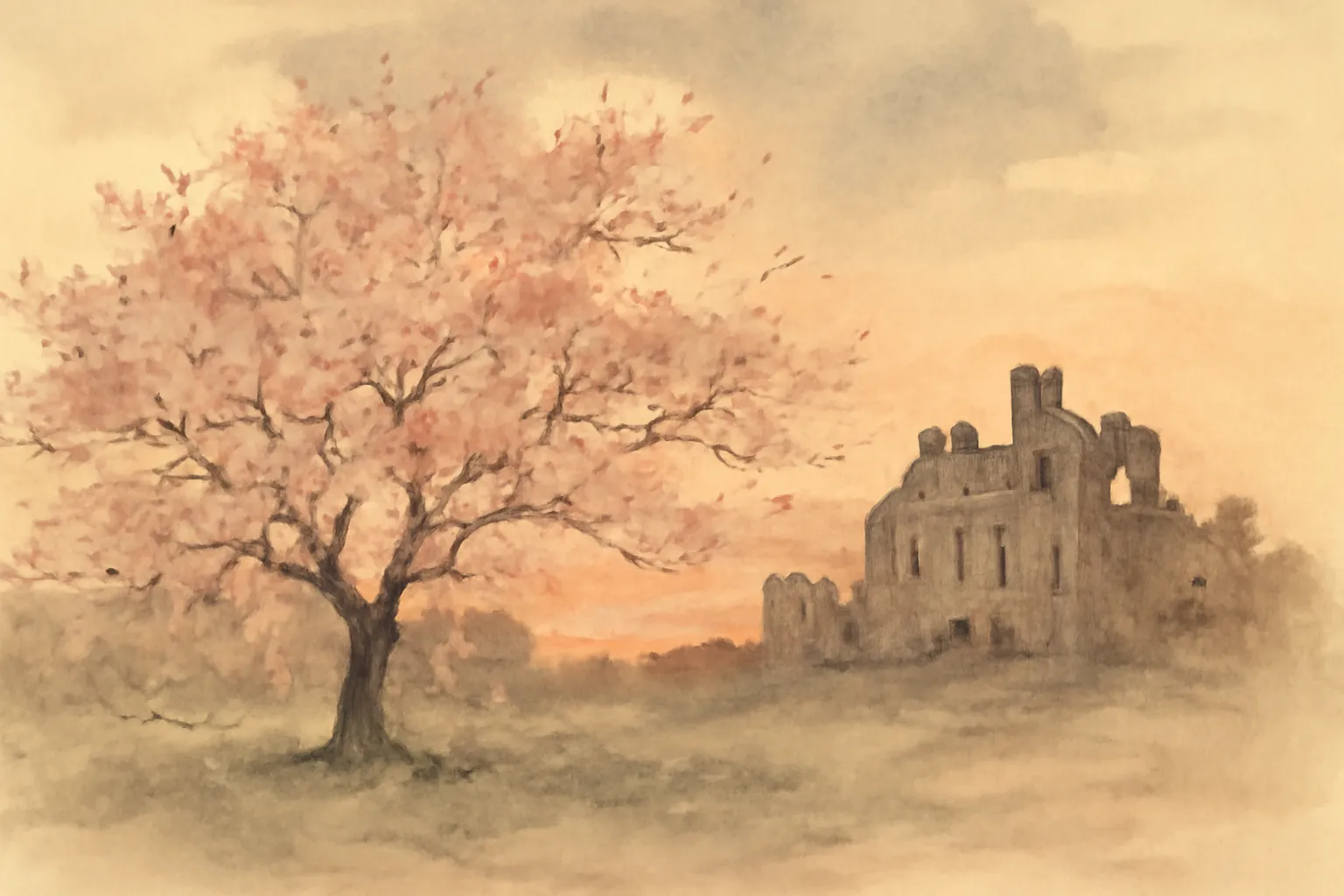
At its core, The Cherry Orchard dramatizes the decline of the Russian aristocracy and the rise of a new social order. The Ranevsky family, clinging to old privileges and memories, is unable to adapt to the economic realities of post-emancipation Russia. Their inability to save the estate reflects the broader collapse of a social class, and Chekhov uses their plight to comment on the inevitability of change and the pain of letting go.
The cherry orchard itself is a powerful symbol of the past—both idyllic and irretrievable. Characters are haunted by memories tied to the estate, but these recollections are tinged with nostalgia and denial. Chekhov masterfully shows how memory can both sustain and paralyze, as the family’s attachment to what was blinds them to what must be done to survive.
“Oh, my childhood, my innocent childhood!”
“All Russia is our orchard.”
“If only we could get through this, if only we could change our lives.”