1.The End of an Era
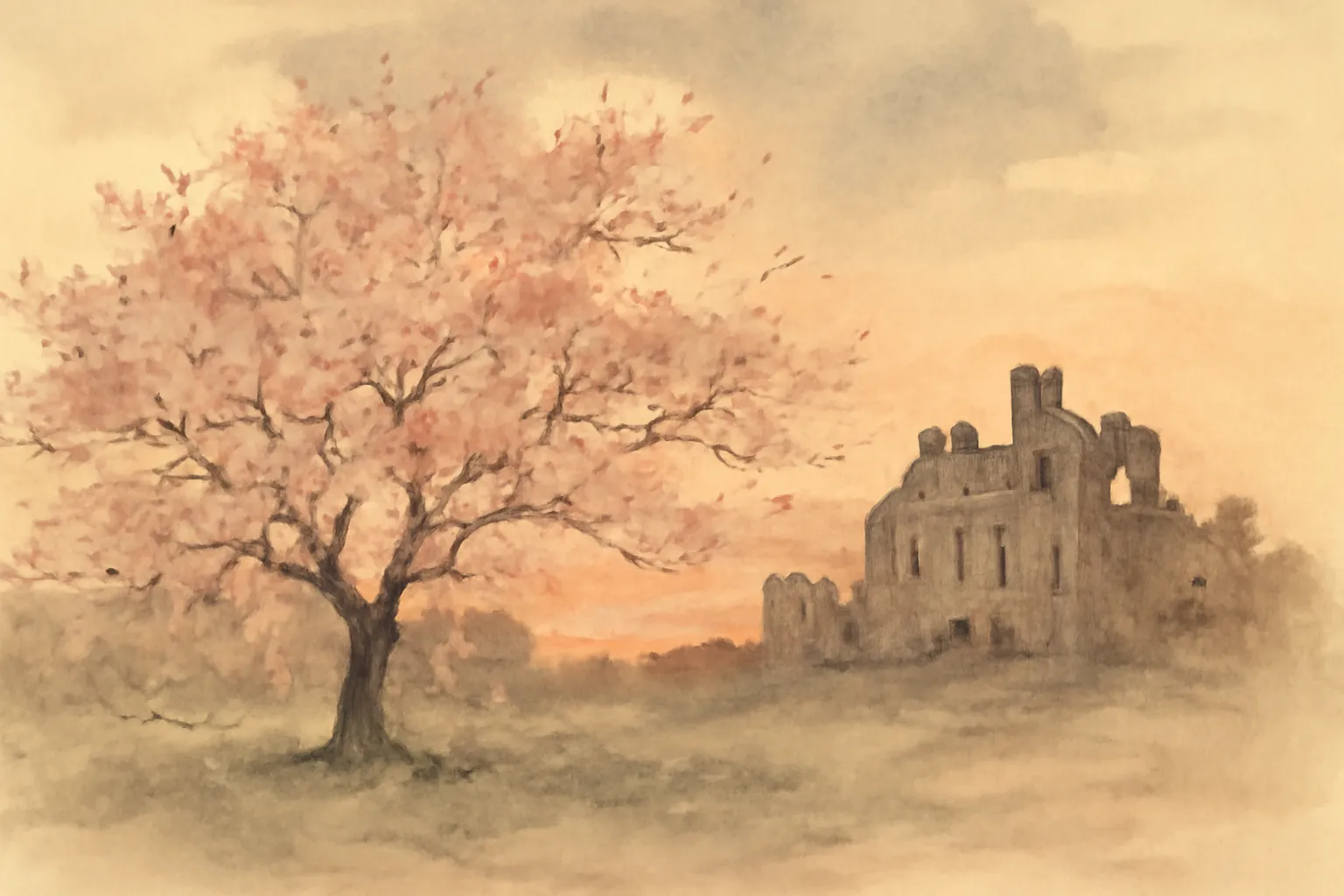
At its core, The Cherry Orchard dramatizes the decline of the Russian aristocracy and the rise of a new social order. The Ranevsky family, clinging to old privileges and memories, is unable to adapt to the economic realities of post-emancipation Russia. Their inability to save the estate reflects the broader collapse of a social class, and Chekhov uses their plight to comment on the inevitability of change and the pain of letting go.
2.Memory and Loss
The cherry orchard itself is a powerful symbol of the past—both idyllic and irretrievable. Characters are haunted by memories tied to the estate, but these recollections are tinged with nostalgia and denial. Chekhov masterfully shows how memory can both sustain and paralyze, as the family’s attachment to what was blinds them to what must be done to survive.
3.Comedy in Tragedy
Chekhov famously described the play as a comedy, even as it is often staged as tragedy. The play’s humor arises from the characters’ foibles, their miscommunications, and the absurdity of their situations. This blending of tones makes the pain of loss more acute, but also more human, capturing the contradictions of life itself.
4.Social Mobility and the New Russia
The character of Lopakhin, a former serf who becomes a wealthy businessman, embodies the new opportunities and tensions of a changing Russia. His purchase of the estate is both triumph and tragedy—he achieves success, but at the cost of the old order’s destruction. Chekhov uses Lopakhin to explore the complexities of progress, class resentment, and the ambiguous nature of victory.
5.Inaction and Missed Opportunities
Throughout the play, characters talk at length about what must be done, but fail to act decisively. This inertia is both comic and tragic, underscoring how people can be trapped by indecision, habit, or hope that things will resolve themselves. Chekhov’s subtle critique is that change is not only inevitable, but also requires painful choices that his characters cannot make.
6.Nature and Time
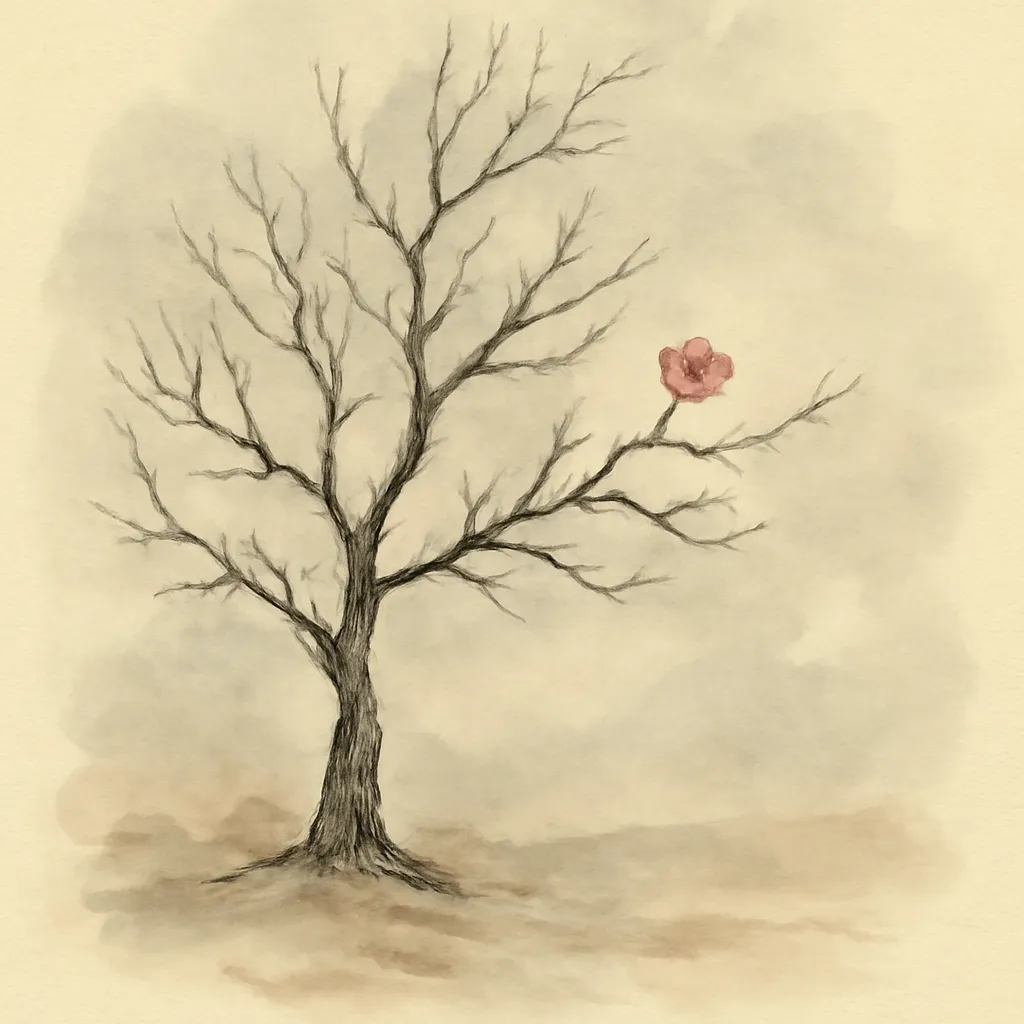
The cherry orchard’s beauty is fleeting, and Chekhov uses the cycles of nature as a metaphor for human life and history. The cutting down of the orchard is a literal and symbolic act, marking the end of one era and the uncertain beginning of another. The play’s final moments, with the sound of axes and the old servant left behind, linger as a meditation on mortality and renewal.