Fiction · Short Reads
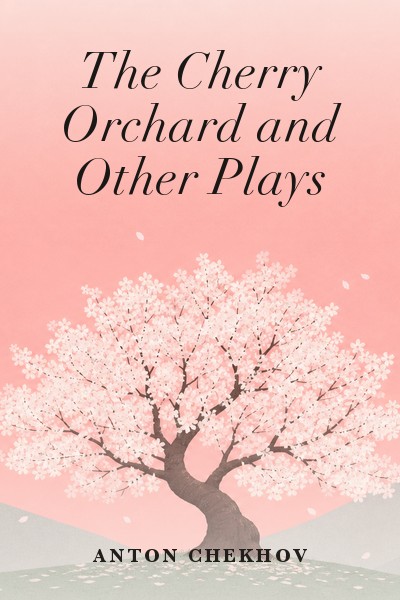
The Cherry Orchard and Other Plays by Anton Chekhov — Summary, Key Ideas & Full Text
147 pages5 chapters2h 57m read2h 6m speed read✦ 8-min Big ideasFree · no account
Rate it
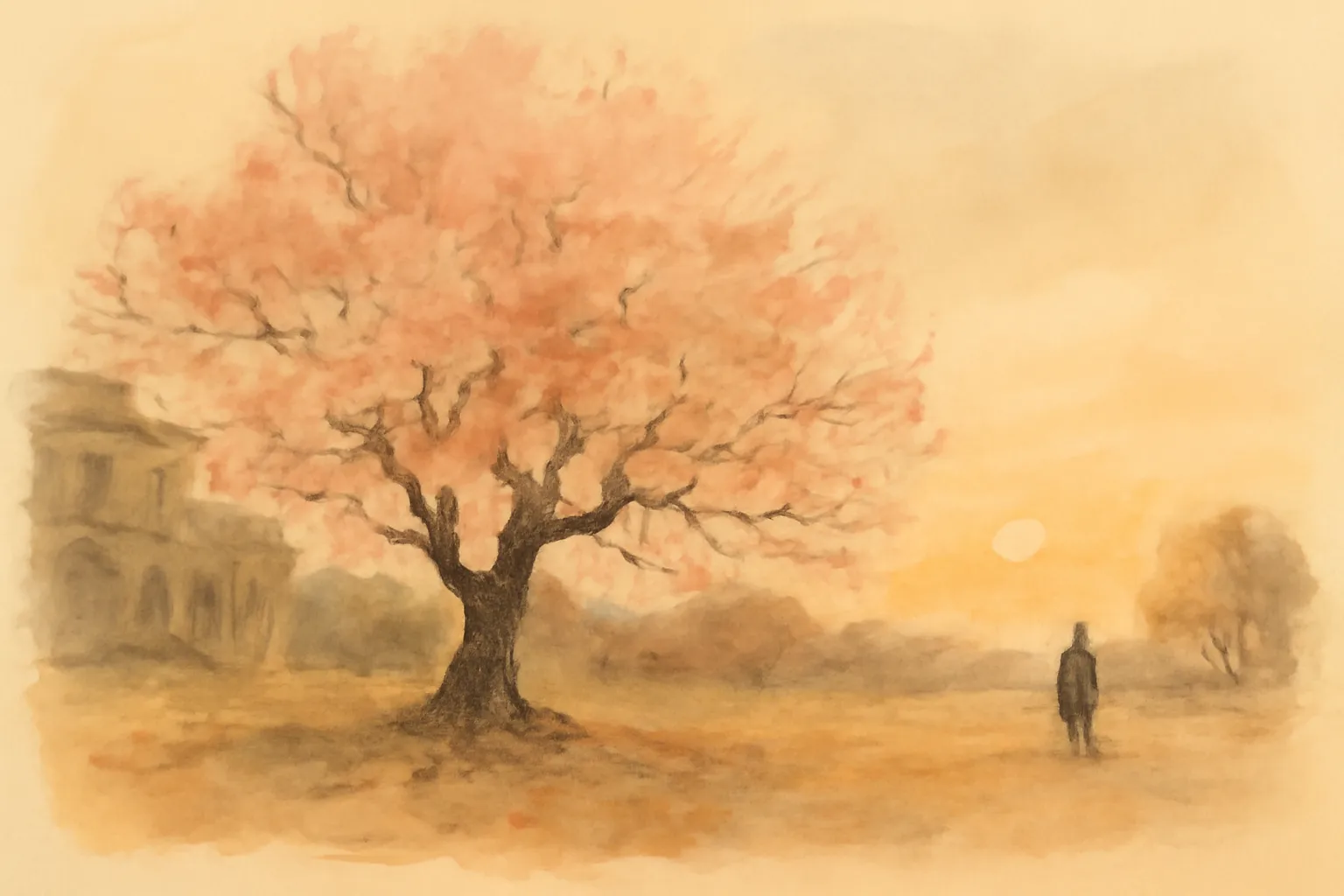
Anton Chekhov's 'The Cherry Orchard and Other Plays' captures the essence of human emotion, the passage of time, and the inevitable change that life brings
In 'The Cherry Orchard and Other Plays', Anton Chekhov presents a poignant exploration of life's complexities through a series of masterfully crafted plays. Each work delves into the intricacies of human relationships, social change, and the emotional turmoil accompanying loss and nostalgia. Chekhov's unique ability to blend humor with tragedy creates a rich tapestry of characters, each grappling with their own struggles and aspirations. Readers will find themselves immersed in the world of the Russian gentry, as they confront their past, their choices, and the inexorable march of time. This collection not only showcases Chekhov's narrative brilliance but also invites reflection on the universal themes of love, loss, and the relentless pursuit of happiness.
Anton Chekhov's 'The Cherry Orchard and Other Plays' offers a profound exploration of the human condition, weaving together themes of memory, social change, and the complexities of relationships. Through his richly drawn characters and poignant narratives, Chekhov invites readers to reflect on their own lives and the universal challenges they face. The interplay of humor and tragedy creates a nuanced understanding of life's intricacies, reminding us that joy and sorrow often coexist. As the characters navigate their struggles, they resonate with our own experiences, prompting introspection on the passage of time, the pursuit of happiness, and the search for identity. Ultimately, Chekhov's works remain timeless, encouraging us to engage with the world around us and embrace the beauty of our shared humanity.
Read Anton Chekhov's work free on Lumina — the complete text plus an 8-minute summary and key ideas, no account needed