1.The Fragility of Memory
Chekhov's characters often wrestle with their memories, which shape their identities and influence their actions. In 'The Cherry Orchard', the Prozorov family reflects on their past, particularly the memories tied to their ancestral estate. Their recollections are bittersweet; they evoke nostalgia but also highlight the pain of loss. The characters' varying relationships with memory illustrate how it can both anchor us and hold us back. For instance, Olga's fondness for the past contrasts sharply with Irina's desire to move forward, showcasing the tension between clinging to memories and embracing change. This dynamic invites readers to consider how their own memories shape their present and future.
2.Social Change and Class Struggle
Chekhov's plays are set against the backdrop of a rapidly changing Russian society. The decline of the aristocracy and the rise of the bourgeoisie create a palpable tension in 'The Cherry Orchard'. The characters, particularly Ranevskaya and Lopakhin, embody different social classes and their conflicting values. Lopakhin's proposal to cut down the cherry orchard symbolizes the encroachment of modernity and capitalism on traditional ways of life. Through this clash, Chekhov explores the complexities of social mobility and the emotional toll it takes on individuals. The characters' struggles reflect a broader societal shift, prompting readers to contemplate the implications of change in their own lives and communities.
3.The Nature of Happiness
In Chekhov’s works, the pursuit of happiness is a recurring theme. Characters often grapple with their desires and the elusive nature of fulfillment. For example, in 'The Cherry Orchard', Ranevskaya's longing for her lost childhood and the comfort of her estate represents a search for happiness that is ultimately unattainable. The play suggests that happiness is often tied to our circumstances and the passage of time, leading to a sense of inevitability regarding our choices. Chekhov masterfully illustrates that the quest for happiness can lead to disappointment, prompting readers to reflect on their own aspirations and the societal pressures that shape them. This exploration of happiness resonates deeply, inviting introspection on what it truly means to be fulfilled.
4.The Complexity of Human Relationships
Chekhov’s characters are intricately woven into a web of relationships that reveal the depth of human emotion. In 'The Cherry Orchard', the interactions between family members and friends expose layers of love, resentment, and longing. The dynamics between Olga, Masha, and Irina illustrate the complexities of sisterhood, as each woman grapples with her own identity and desires. Chekhov's nuanced portrayal of relationships highlights how love can be both a source of joy and a catalyst for pain. The characters' dialogues are filled with subtext, revealing their inner conflicts and the unspoken connections that bind them. This examination of human relationships encourages readers to reflect on their own connections and the emotional intricacies they entail.
5.Time as an Unrelenting Force
The passage of time is a central theme in Chekhov's plays, often depicted as an unyielding force that shapes the characters' lives. In 'The Cherry Orchard', the changing seasons serve as a metaphor for the characters' transitions and the inevitability of change. The characters are acutely aware of time's impact; they reminisce about the past while simultaneously confronting their uncertain futures. Chekhov's treatment of time invites readers to consider their own relationship with it, reflecting on how past experiences inform present decisions and future aspirations. The interplay of time within the narrative underscores the notion that while we may wish to hold onto moments, life continues to evolve, often leaving us grappling with what was and what could have been.
6.The Role of the Outsider
Chekhov often introduces characters who serve as outsiders, providing fresh perspectives on the central conflicts within the plays. In 'The Cherry Orchard', Lopakhin, a peasant turned bourgeois, embodies this outsider status. His ambitions clash with the aristocratic values of the Prozorov family, offering a critique of social hierarchies. Through Lopakhin, Chekhov explores themes of alienation and belonging, as he navigates a world that is both familiar and foreign to him. This outsider perspective allows for a deeper understanding of the characters’ struggles and the societal changes at play. Readers are prompted to consider the role of outsiders in their own lives and the ways in which they challenge or reinforce existing social structures.
7.The Illusion of Control
In Chekhov's plays, characters often grapple with their inability to control their circumstances. The Prozorovs in 'The Cherry Orchard' find themselves powerless against the inevitable sale of their estate, despite their efforts to cling to the past. This theme of control—or the lack thereof—highlights the tension between human agency and external forces. Chekhov's portrayal of characters facing their fates evokes empathy, as they confront the limits of their power. This existential struggle resonates with readers, who may reflect on their own lives and the factors that shape their destinies. Chekhov's exploration of control invites a deeper understanding of the human experience and the acceptance of life's unpredictability.
8.The Power of Nature
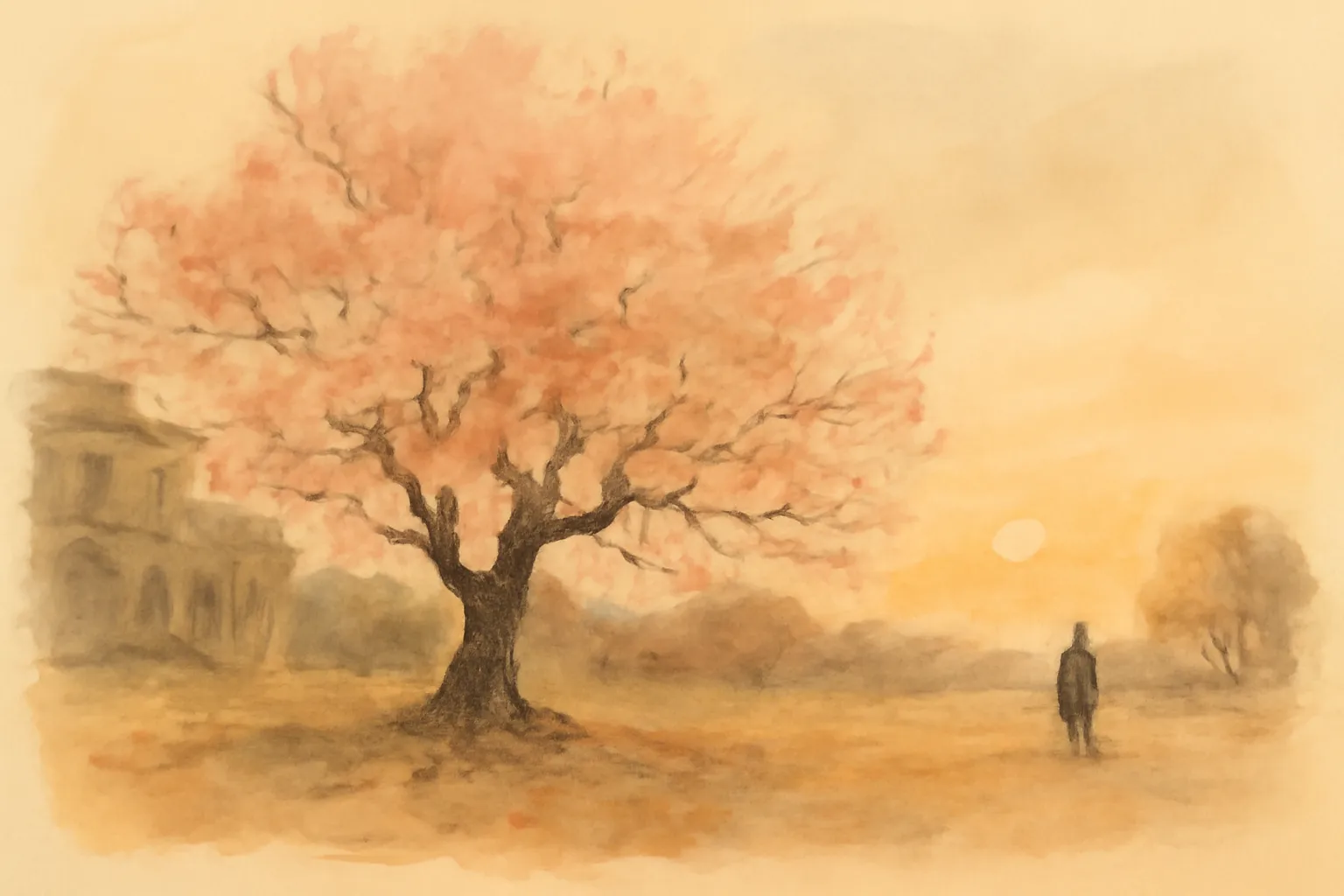
Nature plays a significant role in Chekhov's works, often serving as a backdrop that mirrors the characters' emotional states. In 'The Cherry Orchard', the titular orchard represents both beauty and decay, symbolizing the characters' connections to their past and the changes they must face. The cyclical nature of the seasons reflects the characters' internal struggles, as they grapple with their identities and the passage of time. Chekhov's vivid descriptions of the natural world enhance the emotional impact of the narrative, inviting readers to appreciate the beauty and transience of life. This connection to nature prompts a deeper reflection on the environment's influence on human experiences and the importance of preserving what we cherish.
9.Humor and Tragedy Intertwined
Chekhov masterfully blends humor with tragedy, creating a unique tone that resonates throughout his plays. The comedic elements often arise from the characters' absurdities and the irony of their situations, providing moments of levity amid the weight of their struggles. In 'The Cherry Orchard', the characters' attempts to navigate their changing world are often laced with humor, despite the underlying sense of loss. This interplay between humor and tragedy highlights the complexity of the human experience, where joy and sorrow coexist. Chekhov's ability to evoke laughter while addressing profound themes invites readers to appreciate the multifaceted nature of life. This blend serves as a reminder that even in our darkest moments, laughter can emerge as a means of coping and connecting with others.
10.The Search for Identity
Throughout Chekhov's plays, characters embark on a quest for identity, often shaped by their societal roles and personal aspirations. In 'The Cherry Orchard', each character grapples with their sense of self in relation to their changing environment. Irina, for instance, seeks independence and purpose beyond her family's legacy, while Masha struggles with her unfulfilled desires and societal expectations. These internal conflicts underscore the universal search for identity, prompting readers to reflect on their own journeys. Chekhov's exploration of identity is nuanced, revealing how external pressures and personal choices intertwine in the formation of who we are. This theme resonates deeply, encouraging self-examination and the pursuit of authenticity in a complex world.