
survival · slavery · Bildungsroman
Gone with the Wind by Margaret Mitchell — Summary, Key Ideas & Quotes
1936947 pages✦ 3-min Big ideas★ 3.7 (51)
Rate it
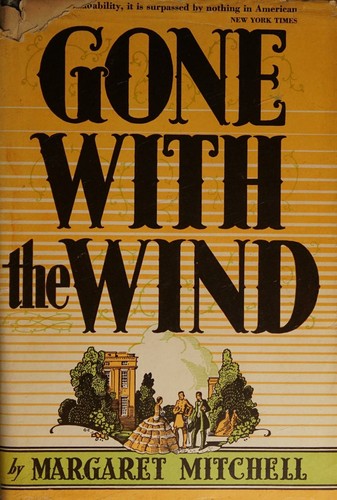
Margaret Mitchell's monumental epic of the South won a Pulitzer Prize, gave rise to the most popular motion picture of our time, and inspired a sequel that became the fastest selling novel of the century. It is one of the most popular books ever written: more than 28 million copies of the book have been sold in more than 37 countries. Today, more than 60 years after its initial publication, its achievements are unparalleled, and it remains the most revered American saga and the most beloved work by an American writer...
At its core, the novel examines what it takes to survive in the face of overwhelming adversity. Scarlett O’Hara’s journey from pampered belle to determined survivor is a study in adaptability, resourcefulness, and the sometimes ruthless drive to endure. The book suggests that survival often demands moral compromise, and that those who adapt—rather than those who cling to tradition—are most likely to thrive when the world changes.
Mitchell’s depiction of the antebellum South is both romanticized and critical. While the book nostalgically portrays the grandeur and codes of Southern aristocracy, it also shows how these ideals are built on unstable foundations—most notably, slavery and social hierarchy. As the war shatters this world, the novel interrogates what, if anything, is worth preserving from it.
“Frankly, my dear, I don't give a damn.”
“After all, tomorrow is another day.”
“I'll think about that tomorrow.”
“As God is my witness, I'll never be hungry again.”