1.Resilience and Survival
At its core, the novel examines what it takes to survive in the face of overwhelming adversity. Scarlett O’Hara’s journey from pampered belle to determined survivor is a study in adaptability, resourcefulness, and the sometimes ruthless drive to endure. The book suggests that survival often demands moral compromise, and that those who adapt—rather than those who cling to tradition—are most likely to thrive when the world changes.
2.The Illusion of the Old South
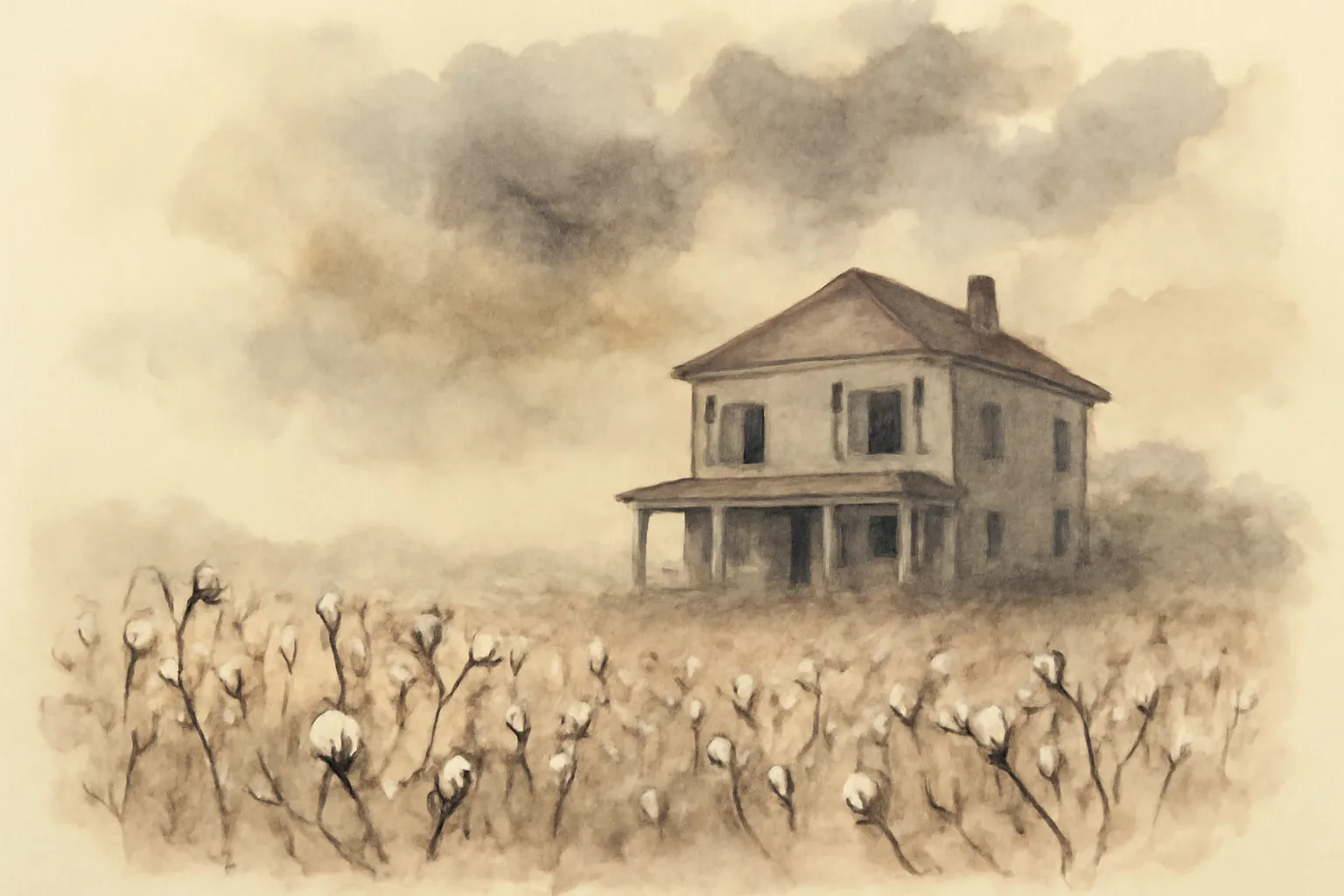
Mitchell’s depiction of the antebellum South is both romanticized and critical. While the book nostalgically portrays the grandeur and codes of Southern aristocracy, it also shows how these ideals are built on unstable foundations—most notably, slavery and social hierarchy. As the war shatters this world, the novel interrogates what, if anything, is worth preserving from it.
3.Complexity of Love and Desire
Gone with the Wind’s central relationships—especially between Scarlett, Rhett, and Ashley—explore the difference between infatuation, genuine love, and the illusions we create about others. Scarlett’s misreading of her own heart and those around her drives much of the plot, revealing how personal desires can be as destructive as historical forces.
4.Transformation Through Loss
The novel is a meditation on loss—of people, places, and ways of life. Characters are forced to confront the impermanence of their world and themselves. Scarlett’s evolution is marked by repeated losses, each stripping away her illusions and forcing her to reinvent herself, mirroring the South’s own painful transformation.
5.The Role of Gender and Social Expectations
Scarlett’s defiance of traditional gender roles—her business acumen, ambition, and refusal to submit—challenges the expectations of her time. Yet the novel also exposes the limitations and consequences of such rebellion, as Scarlett is both punished and rewarded for her independence in a society resistant to change.
6.Race, Power, and Historical Blindness
While the novel is celebrated for its storytelling, it is also controversial for its portrayal of race and its romanticization of the Confederacy. The narrative largely centers white Southern perspectives and glosses over the realities of slavery and Black experiences. This makes the book a complex artifact—both a product of its time and a lens for examining enduring myths about the South.