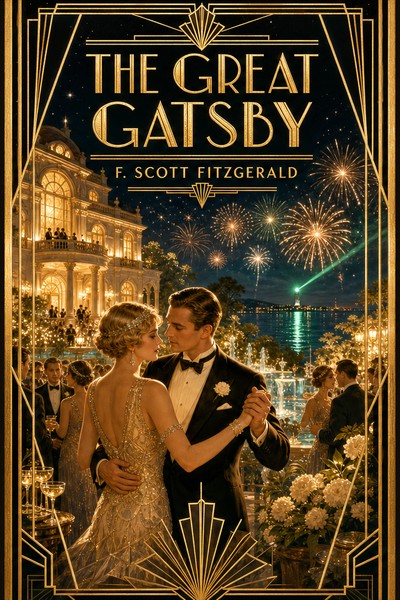

Jazz Age excess and the green light — tragedy beneath the glamour of Long Island.
Read full overviewShow less›
In the vibrant yet tumultuous world of the 1920s, 'The Great Gatsby' provides a poignant exploration of wealth, love, and societal expectations. Through the eyes of Nick Carraway, a young man navigating the opulence of East and West Egg, readers are drawn into the life of the enigmatic Jay Gatsby, whose grand parties and mysterious past mask a profound emptiness. This novel reveals how the relentless chase for dreams can lead to disillusionment, and how the barriers of class and morality shape our destinies. As we delve deeper into the lives of Gatsby, Daisy Buchanan, and Tom Buchanan, we uncover the intricate dance of desire, betrayal, and the quest for identity in a world that often prioritizes appearance over authenticity.
Fitzgerald's 'The Great Gatsby' remains a profound exploration of the complexities of the American Dream, weaving a narrative that captures the essence of hope and despair. Through the tragic story of Jay Gatsby, readers are prompted to reflect on their own aspirations and the societal constructs that shape them. The characters, each emblematic of broader themes, illustrate the tensions between wealth, love, and identity. As the novel unfolds, it becomes clear that the pursuit of dreams can lead to both greatness and tragedy, ultimately questioning the very foundation of what it means to achieve success. In a world where appearances often overshadow reality, Fitzgerald's work serves as a timeless reminder of the fragility of human desires and the consequences of our choices.
- 1The Burden of Judgement
- 2The Valley of Ashes: A Symbol of Despair
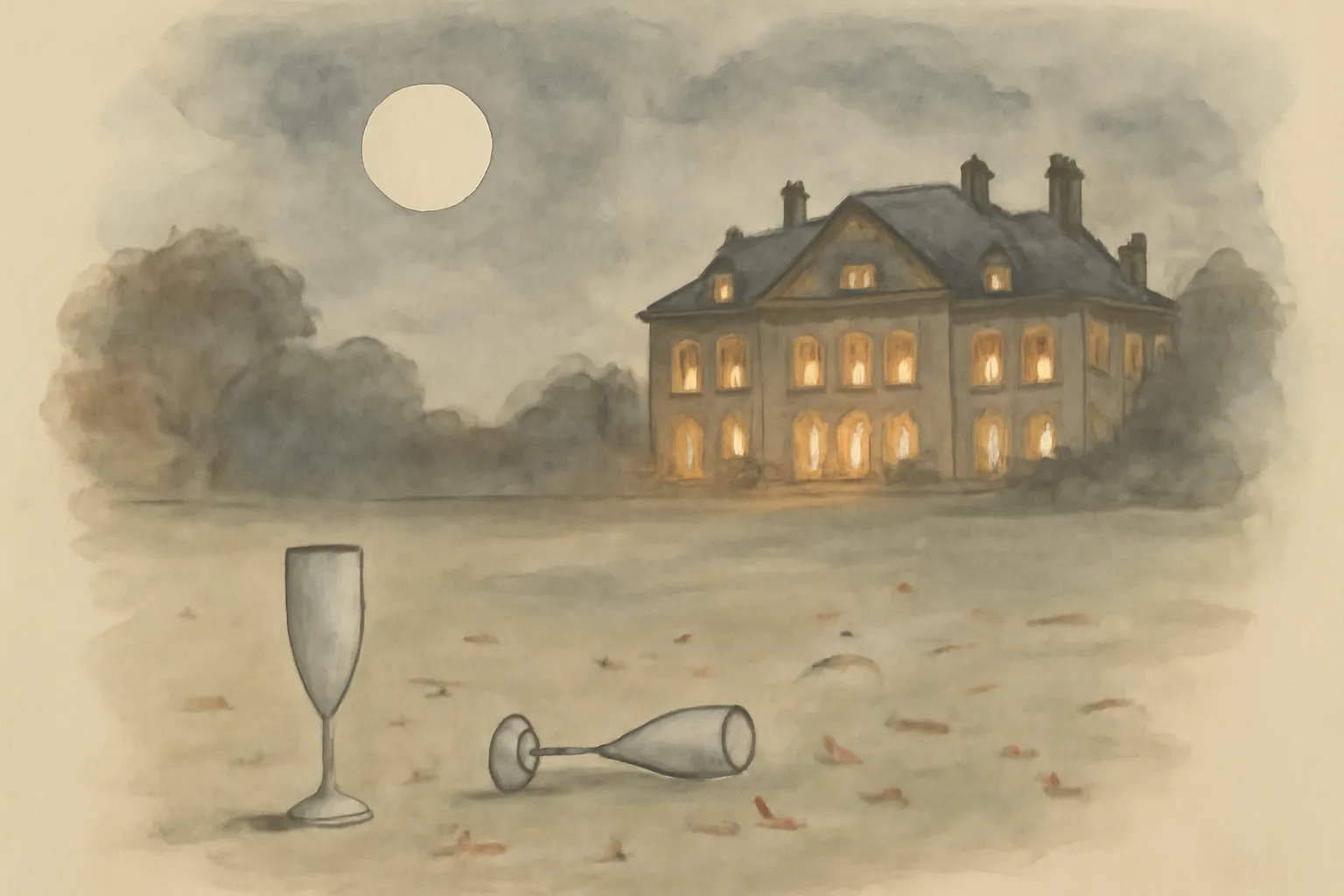
- 3Gatsby's Parties: A Mirage of Happiness
- 4The Illusion of the American Dream
- 5Daisy Buchanan: The Object of Desire
A glimpse inside

At the heart of the narrative is Nick Carraway's struggle with judgement and empathy. Influenced by his father's advice to reserve criticism, Nick navigates a world fille… Read moreAt the heart of the narrative is Nick Carraway's struggle with judgement and empathy. Influenced by his father's advice to reserve criticism, Nick navigates a world filled with characters who embody both the allure and the moral decay of wealth. This tension is particularly evident in his interactions with Gatsby, whose lavish lifestyle and hopeful dreams starkly contrast with the moral failings of those around him. Nick's reluctance to judge allows him to witness the complexities of human nature, yet it also exposes him to the manipulation and deceit that pervade the lives of the wealthy. This theme underscores the broader societal critique of the Jazz Age, where the pursuit of pleasure often eclipses genuine human connection. Show less
Fitzgerald introduces the Valley of Ashes, a desolate area between West Egg and New York, as a powerful symbol of the moral and social decay hidden beneath the glittering… Read moreFitzgerald introduces the Valley of Ashes, a desolate area between West Egg and New York, as a powerful symbol of the moral and social decay hidden beneath the glittering surface of the American Dream. This bleak landscape, populated by 'ash-grey men' toiling in obscurity, serves as a stark reminder of the consequences of unbridled ambition and the exploitation of the working class. The eyes of Doctor T. J. Eckleburg, looming over this wasteland, represent the loss of spiritual values in a materialistic society. As characters like Tom Buchanan engage in reckless pursuits, the valley stands as a testament to the human cost of their excesses, highlighting the stark divide between the privileged elite and the forgotten masses. Show less
Read the full text — free
About the author
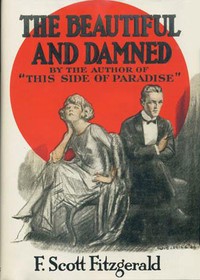
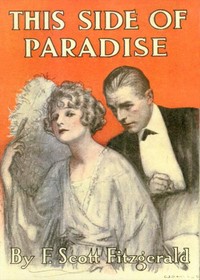
F. Scott Fitzgerald has 3 works free to read on Lumina, including The Beautiful and Damned, This Side of Paradise.
All 3 books by F. Scott Fitzgerald →Frequently asked
Worlds to get lost in
Take Lumina everywhere
Read offline, listen to AI summaries, speed-read, and sync your progress across devices — free on iPhone.
Download for iPhone