1.The Burden of Judgement
At the heart of the narrative is Nick Carraway's struggle with judgement and empathy. Influenced by his father's advice to reserve criticism, Nick navigates a world filled with characters who embody both the allure and the moral decay of wealth. This tension is particularly evident in his interactions with Gatsby, whose lavish lifestyle and hopeful dreams starkly contrast with the moral failings of those around him. Nick's reluctance to judge allows him to witness the complexities of human nature, yet it also exposes him to the manipulation and deceit that pervade the lives of the wealthy. This theme underscores the broader societal critique of the Jazz Age, where the pursuit of pleasure often eclipses genuine human connection.
2.The Valley of Ashes: A Symbol of Despair
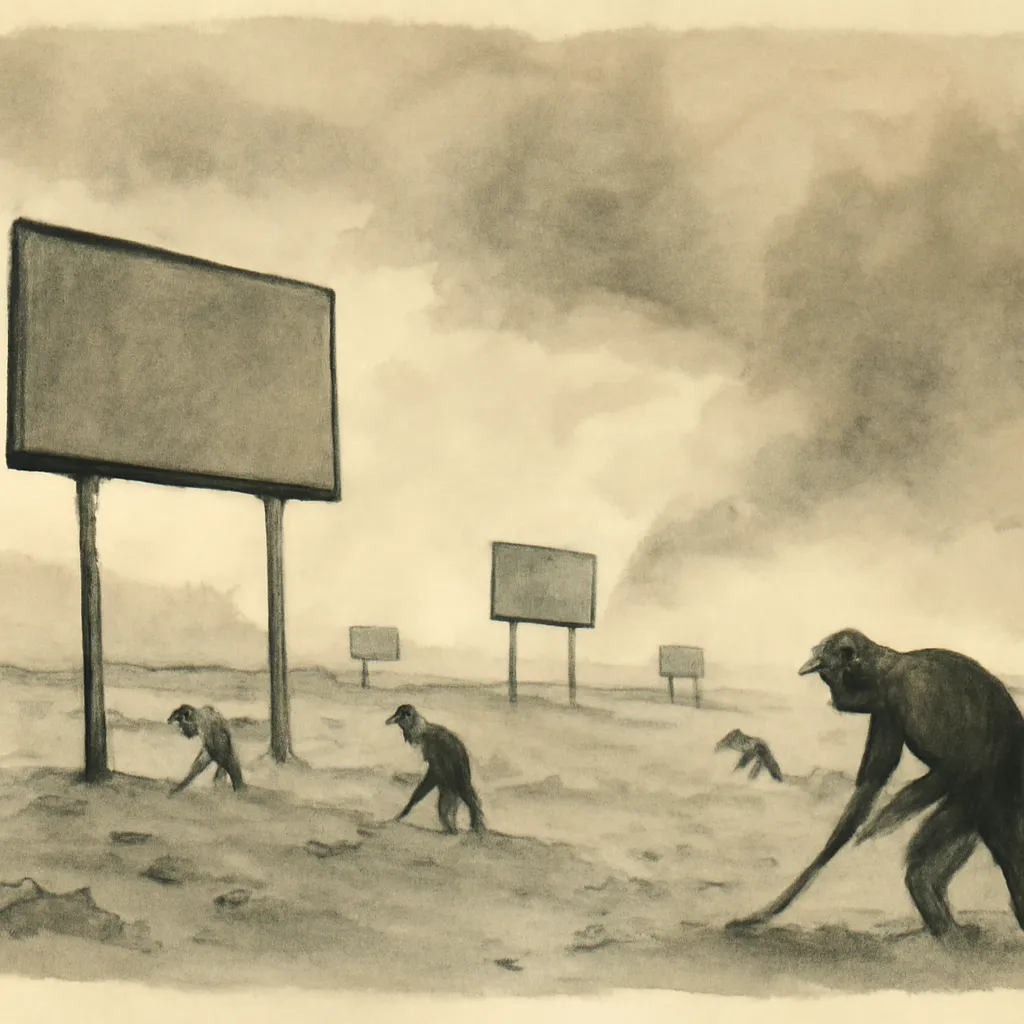
Fitzgerald introduces the Valley of Ashes, a desolate area between West Egg and New York, as a powerful symbol of the moral and social decay hidden beneath the glittering surface of the American Dream. This bleak landscape, populated by 'ash-grey men' toiling in obscurity, serves as a stark reminder of the consequences of unbridled ambition and the exploitation of the working class. The eyes of Doctor T. J. Eckleburg, looming over this wasteland, represent the loss of spiritual values in a materialistic society. As characters like Tom Buchanan engage in reckless pursuits, the valley stands as a testament to the human cost of their excesses, highlighting the stark divide between the privileged elite and the forgotten masses.
3.Gatsby's Parties: A Mirage of Happiness
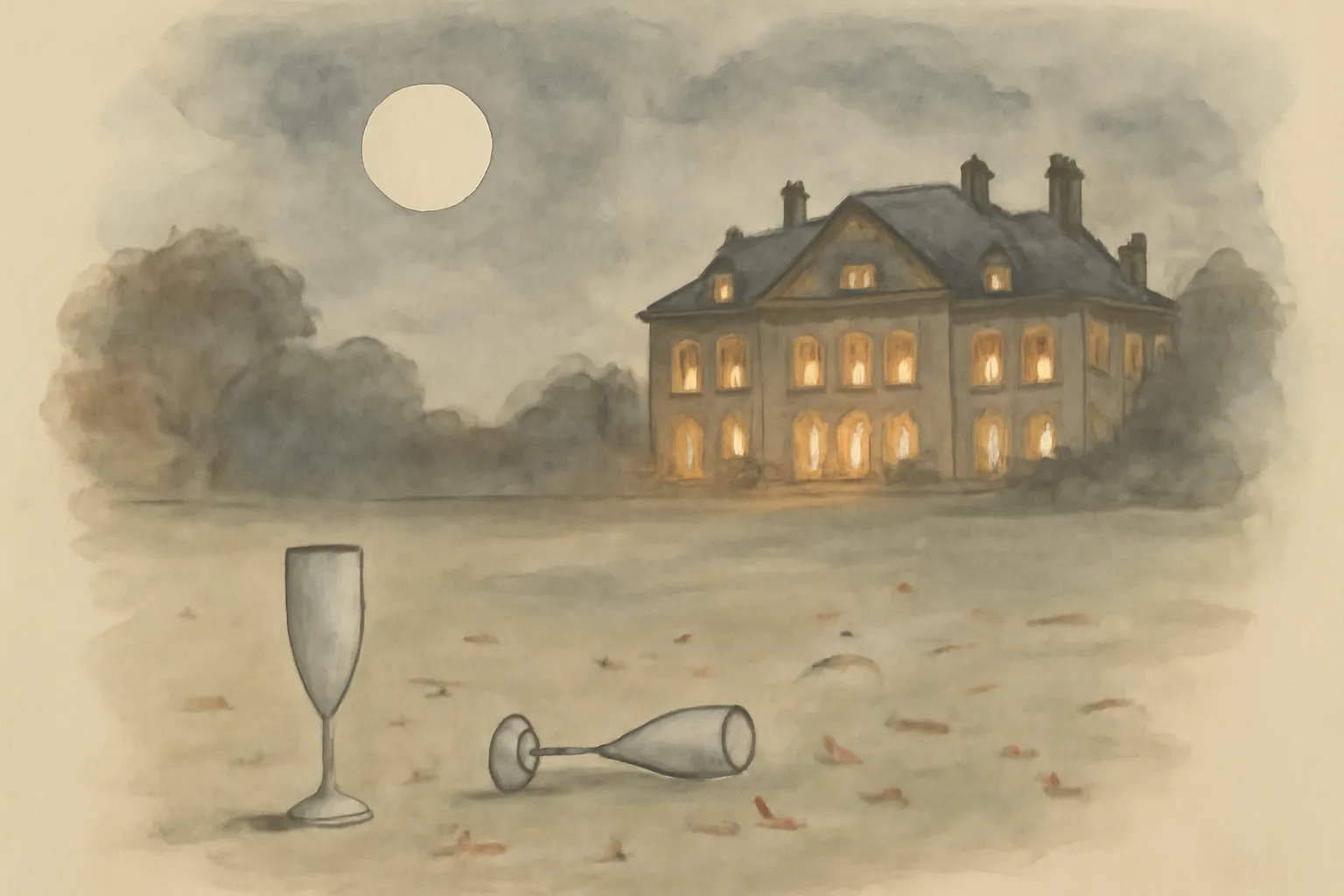
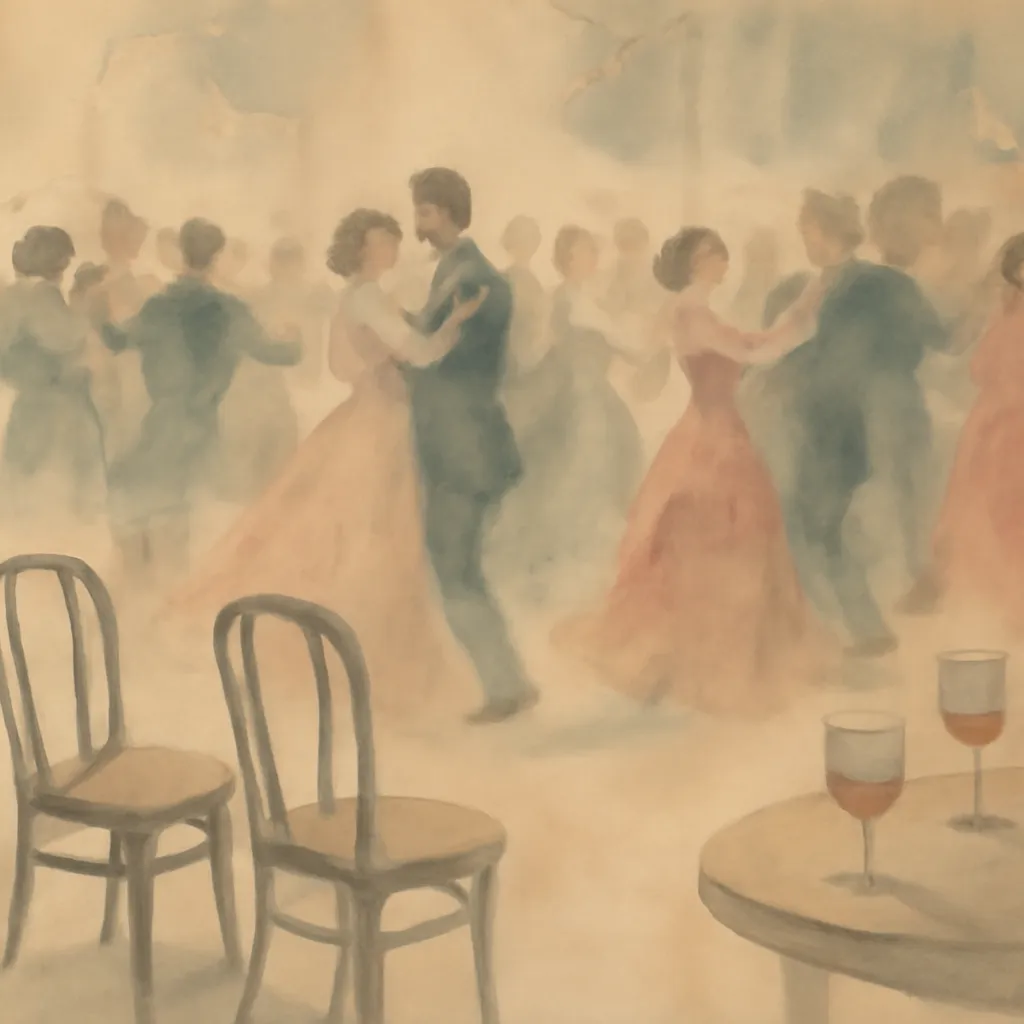
Gatsby's extravagant parties epitomize the excess and superficiality of the 1920s. With guests who come and go like moths to a flame, Gatsby's home becomes a stage for a fleeting sense of joy and connection, yet it is ultimately hollow. Fitzgerald meticulously crafts these scenes to illustrate how the pursuit of pleasure can lead to isolation rather than fulfillment. Despite the glamour and excitement, Gatsby remains an outsider, longing for the one person who embodies his dreams—Daisy Buchanan. The parties serve as a microcosm of the era, where the promise of happiness is overshadowed by a profound sense of loneliness and unfulfilled desire.
4.The Illusion of the American Dream
Gatsby's rise from humble beginnings to immense wealth captures the essence of the American Dream, yet Fitzgerald critiques this ideal by revealing its inherent flaws. Gatsby, originally James Gatz, reinvents himself in pursuit of a life filled with opulence and love, believing that wealth can buy happiness. However, his tragic fate illustrates that the American Dream is often unattainable and riddled with disillusionment. As Gatsby's dream crumbles, the narrative questions the very foundation of this ideal, suggesting that the relentless pursuit of success can lead to moral decay and personal destruction. The novel serves as a cautionary tale about the dangers of equating identity and worth with material wealth.
5.Daisy Buchanan: The Object of Desire
Daisy Buchanan represents the unattainable ideal for Gatsby, embodying beauty, wealth, and social status. Her voice, described as 'full of money,' symbolizes the allure and the elusiveness of the American Dream. Gatsby's infatuation with Daisy drives him to extraordinary lengths, yet his idealization of her ultimately leads to his downfall. Through Daisy, Fitzgerald explores the complexities of love and desire, revealing how the pursuit of an ideal can blind one to reality. Daisy's own struggles with identity and societal expectations complicate her character, making her more than just a passive object of Gatsby's affection. Her choices reflect the constraints placed on women of her time, as she grapples with the dichotomy of love and social obligation.
6.Tom Buchanan: The Antithesis of Gatsby
Tom Buchanan serves as a foil to Gatsby, embodying the arrogance and entitlement of the old money elite. His brutish behavior and blatant racism highlight the moral decay that often accompanies wealth. Tom's relationship with Daisy is marked by domination and infidelity, contrasting sharply with Gatsby's idealistic love. His affair with Myrtle Wilson further emphasizes the theme of moral corruption, as he exploits the lower classes without remorse. Through Tom, Fitzgerald critiques the hypocrisy of the upper class, revealing how privilege can foster a sense of superiority that blinds individuals to the consequences of their actions. Tom's character challenges the notion of the American Dream, showcasing how wealth can corrupt the soul.
7.Nick Carraway: The Reluctant Observer
As the narrator, Nick Carraway offers a unique perspective on the events that unfold in 'The Great Gatsby.' His background as a Midwesterner provides him with a sense of morality that contrasts with the hedonistic lifestyle of the East Coast elite. Nick's role as an observer allows him to critique the characters around him, yet his own biases and complexities complicate his reliability. His admiration for Gatsby's dreams is tinged with a sense of foreboding, as he witnesses the consequences of ambition and desire. Nick's journey reflects the broader themes of identity and belonging, as he grapples with his own place in a world defined by wealth and superficiality. Ultimately, Nick serves as a bridge between the reader and the characters, guiding us through the moral landscape of the narrative.
8.The Tragic Fate of Gatsby
Gatsby's tragic end serves as the culmination of his relentless pursuit of an idealized love and the American Dream. After the confrontation with Tom, Gatsby's hopes for rekindling his romance with Daisy are shattered, leading to a chain of events that culminates in his death. The circumstances surrounding Gatsby's demise underscore the themes of betrayal and misunderstanding, as he becomes a victim of the very society he sought to impress. His death is marked by a profound sense of isolation, with few attending his funeral, highlighting the emptiness of his existence despite his wealth. This tragedy serves as a stark reminder of the fragility of dreams and the harsh realities that often accompany the pursuit of greatness.
9.The Role of Women in the Jazz Age
Fitzgerald's portrayal of women in 'The Great Gatsby' reflects the complexities of gender roles during the 1920s. Characters like Daisy and Myrtle navigate a society that both empowers and restricts them, revealing the contradictions of the era. Daisy's allure and charm mask her discontent with her life, while Myrtle's aspirations lead her to seek fulfillment in a tumultuous affair with Tom. Through these characters, Fitzgerald critiques the limited agency afforded to women, as they grapple with societal expectations and personal desires. The tension between independence and dependence is palpable, as women strive for autonomy in a world that often relegates them to the sidelines. This exploration of gender dynamics enhances the novel's depth, illustrating how societal changes affect personal lives.
10.The Legacy of Gatsby: A Reflection on the American Experience
The enduring legacy of Jay Gatsby serves as a reflection on the American experience, encapsulating the hopes and disillusionments of a generation. His story transcends the confines of the 1920s, resonating with contemporary themes of ambition, identity, and the pursuit of happiness. Gatsby's tragic fate prompts readers to question the validity of the American Dream and the societal values that underpin it. As a symbol of aspiration and failure, Gatsby's life encourages introspection about the nature of success and the cost of dreams. Ultimately, Fitzgerald's narrative invites readers to reflect on their own desires and the societal constructs that shape their pursuits, making 'The Great Gatsby' a timeless exploration of the human condition.