

Benjamin Disraeli's 'Henrietta Temple: A Love Story' is a profound exploration of love's complexities, set against the backdrop of aristocratic life in 19th-century England.
Read full overviewShow less›
Benjamin Disraeli's 'Henrietta Temple: A Love Story' is a profound exploration of love's complexities, set against the backdrop of aristocratic life in 19th-century England. The narrative centers on Ferdinand Armine, a young man ensnared between obligations to his family and his passionate affection for Henrietta Temple. This novel delves into themes of identity, ambition, and the struggle between personal desires and societal expectations. As Ferdinand navigates the turbulent waters of romance and duty, readers are invited to reflect on the broader implications of his choices and the weight of heritage. Disraeli crafts a story that resonates with timeless truths about love and sacrifice, leaving readers captivated by the emotional depth and richness of the characters' experiences.
In 'Henrietta Temple', Disraeli weaves a rich tapestry of love, duty, and self-discovery, inviting readers to reflect on the complexities of the human experience. The characters' struggles with societal expectations and personal desires resonate deeply, illustrating the timeless nature of these themes. As Ferdinand navigates the challenges posed by his family's legacy and his passionate feelings for Henrietta, the narrative compels us to consider the sacrifices we make in pursuit of love and fulfillment. Ultimately, the novel serves as a powerful reminder that the journey towards self-realization is fraught with challenges, yet it is in these challenges that we discover our true selves and the paths we are meant to follow.
- 1The Armine Legacy: Heritage and Identity
- 2The Symbolism of Armine Castle
- 3Glastonbury: The Ideal Mentor and Friend
- 4The Allure of Henrietta Temple
- 5The Tension Between Duty and Desire
Notable quotes
“‘It is all very well, my dear,’ he would observe, ‘for Ferdinand to visit his relations. Lord Grandison is his grandfather. It is very proper that he should visit his grandfather.’”
“‘It was the first time in his life that he had ever travelled outside of a coach.’”
“‘The happiest day of my life has ended,’ he muttered.”
A glimpse inside

Disraeli meticulously traces the lineage of the Armine family, establishing a profound sense of pride that weighs heavily on Ferdinand. Read moreDisraeli meticulously traces the lineage of the Armine family, establishing a profound sense of pride that weighs heavily on Ferdinand. The family's storied past—filled with knights, barons, and tragic losses—imposes a duty on Ferdinand to uphold the family name. This legacy is not merely a backdrop but a driving force that shapes Ferdinand's character and aspirations. He struggles with the expectations set by his ancestors, particularly the tension between maintaining the family's honor and pursuing his individual desires. As Ferdinand contemplates his future, the burden of legacy becomes increasingly apparent, illustrating how deeply intertwined identity and heritage are in shaping an individual's destiny. The author uses vivid descriptions to paint the historical significance of the Armine lineage, contrasting the grand achievements of past generations with Ferdinand's present uncertainties. Disraeli's portrayal of the Armine legacy serves as a reminder that our pasts significantly influence our present choices, complicating the pursuit of personal happiness. Show less
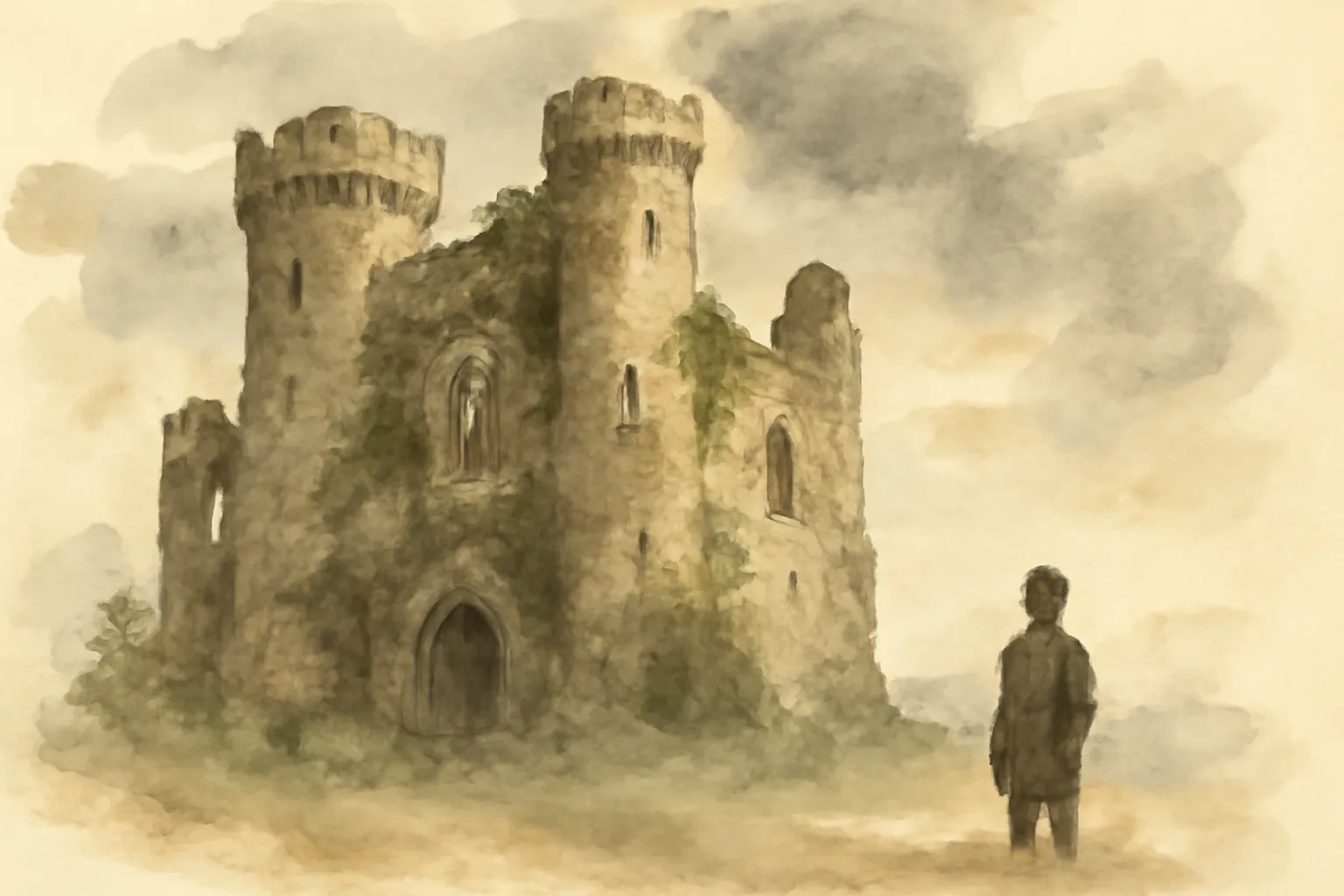
Armine Castle serves as a powerful symbol throughout the narrative, representing both grandeur and decay. Sir Ferdinand Armine's ambitious plans to construct a magnificen… Read moreArmine Castle serves as a powerful symbol throughout the narrative, representing both grandeur and decay. Sir Ferdinand Armine's ambitious plans to construct a magnificent new castle underscore his desire to restore his family's former glory. However, the unfinished state of the castle reflects the internal conflicts and obstacles Ferdinand faces in achieving his aspirations. Disraeli uses vivid imagery to depict the castle's majestic yet incomplete architecture, mirroring the uncertainty and complexity of Ferdinand's emotional journey. The juxtaposition of beauty and incompleteness highlights the tension between ambition and reality, emphasizing that the pursuit of greatness often comes with its own set of challenges. As Ferdinand grapples with his dreams and the realities of his circumstances, the castle stands as a poignant reminder of the fragility of human ambition and the ever-present specter of familial obligation. The unfinished nature of the castle parallels Ferdinand's own development; just as the structure yearns for completion, so too does Ferdinand seek fulfillment in both love and legacy. Show less
Read the full text — free
About the author
Read Benjamin, Earl of Beaconsfield Disraeli's work free on Lumina — the complete text plus an 8-minute summary and key ideas, no account needed.
Frequently asked
Worlds to get lost in
Take Lumina everywhere
Read offline, listen to AI summaries, speed-read, and sync your progress across devices — free on iPhone.
Download for iPhone