

A noble youth embarks on a quest for purpose and identity amid the complexities of duty, faith, and love
Read full overviewShow less›
In 'Tancred; Or, The New Crusade', Benjamin Disraeli weaves a rich tapestry of political intrigue, personal ambition, and spiritual quest. Set against the backdrop of 19th-century England and the Holy Land, the narrative follows Lord Montacute, a young aristocrat torn between the expectations of his lineage and his yearning for a higher calling. Through his journey, Disraeli explores themes of faith, the nature of true nobility, and the transformative power of love. Readers will find a compelling examination of how personal convictions can clash with societal norms, leading to profound questions about duty and the pursuit of one's destiny.
'Tancred; Or, The New Crusade' is a profound exploration of the intersections between personal identity, faith, and societal expectations. Disraeli's rich narrative invites readers to reflect on their own quests for purpose and meaning, challenging them to consider what true nobility entails in a complex world. Through Tancred's journey, we are reminded of the timeless importance of vision, love, and the courage to pursue one's ideals. Ultimately, the novel serves as a call to action for individuals to embrace their own 'crusades', whether they be for personal growth, social justice, or spiritual enlightenment, affirming that the pursuit of noble ideals is a journey worth undertaking.
- 1The Duality of Nobility
- 2The Quest for Identity
- 3Faith and Spiritual Awakening
- 4The Role of Women in Society
- 5Political Commentary and Social Critique
Notable quotes
“‘Tis cluster of small streets of little houses, frequently intersected by mews, which here are numerous, and sometimes gradually, rather than abruptly, terminating in a ramification of those mysterious regions.”
“The duke was what is called an excellent man of business, that is to say, methodical, and an adept in all the small arts of routine.”
“I am sure you would, my lord. In this country it is like mother’s milk, nor is it possible to make way without it.”
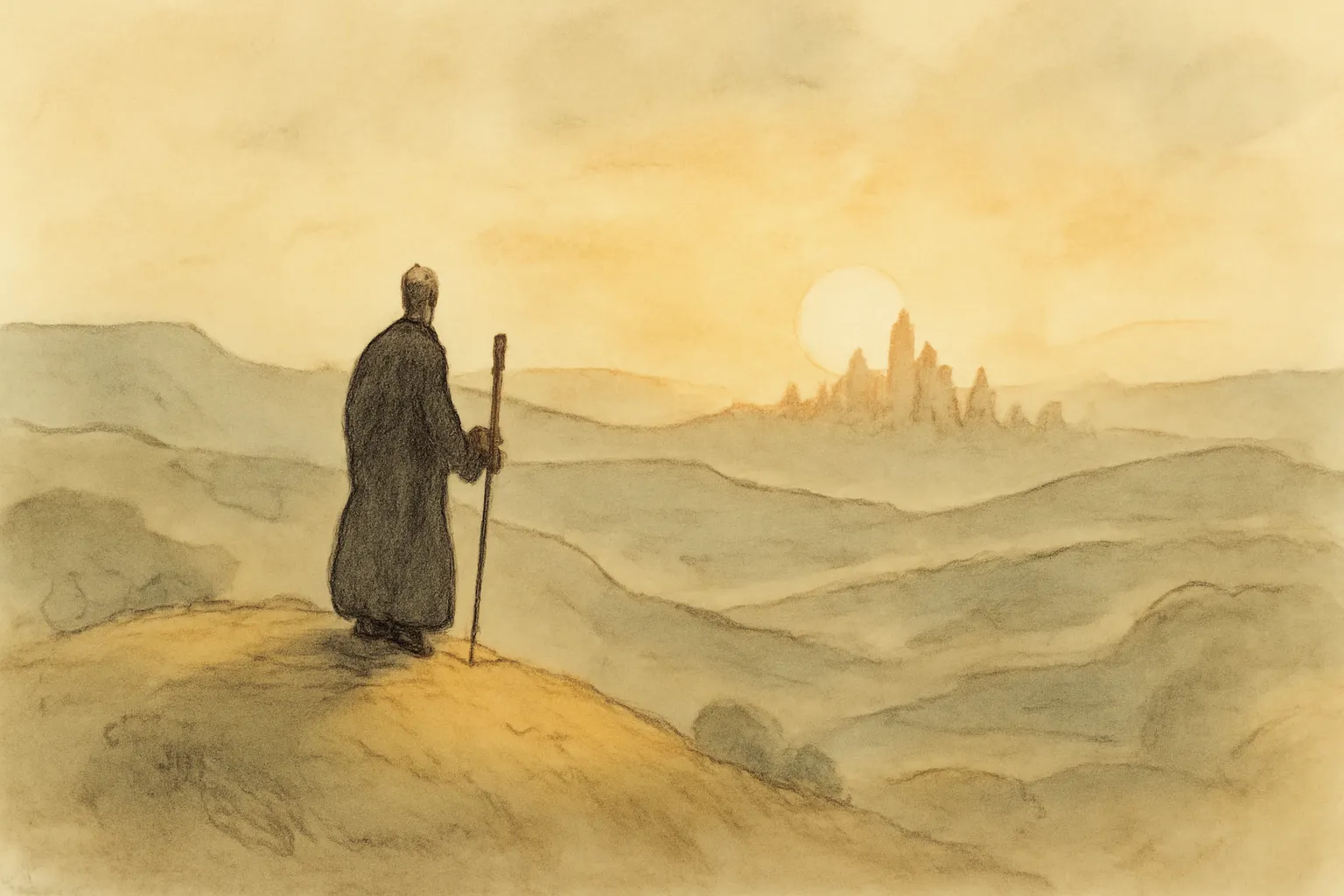
A glimpse inside

Disraeli presents a nuanced view of nobility, juxtaposing the superficiality of societal status with the deeper moral and ethical responsibilities that come with it. Read moreDisraeli presents a nuanced view of nobility, juxtaposing the superficiality of societal status with the deeper moral and ethical responsibilities that come with it. The Duke of Bellamont, for instance, represents the traditional aristocracy, characterized by wealth and influence but lacking in personal engagement or moral courage. His son, Lord Montacute, embodies the struggle of a new generation seeking genuine purpose beyond inherited privilege. This conflict is emphasized when Montacute reflects on his father's inaction and moral ambivalence during pivotal historical moments like the American Revolution. Disraeli urges readers to reconsider the true essence of nobility, suggesting that it is rooted in compassion, sacrifice, and a commitment to justice rather than mere lineage or wealth. Hence, true nobility becomes a form of service to society, requiring individuals to act according to their principles rather than conforming to societal expectations. Show less
Tancred's journey symbolizes the search for self-identity amid external pressures. Initially depicted as a dutiful son, he soon becomes disillusioned with the constraints… Read moreTancred's journey symbolizes the search for self-identity amid external pressures. Initially depicted as a dutiful son, he soon becomes disillusioned with the constraints of aristocratic life. His desire to travel to the Holy Land reflects a longing for adventure and a deeper understanding of his faith. This quest is not just about physical travel; it is a metaphorical journey toward self-discovery and spiritual awakening. As he grapples with his purpose, Tancred encounters various characters who influence his perspective, including the wise and introspective Lord Eskdale, who serves as a mentor figure. Through these interactions, Disraeli illustrates how the journey toward self-identity is often fraught with conflict and uncertainty, particularly for young individuals like Tancred who are seeking to reconcile their personal aspirations with societal demands. Ultimately, Tancred's quest becomes a reflection of the universal struggle to find one's place in a complex and changing world. Show less
Read the full text — free
About the author
Benjamin, Earl of Beaconsfield Disraeli has 3 works free to read on Lumina, including Henrietta Temple: A Love Story, The Young Duke
All 3 books by Benjamin, Earl of Beaconsfield Disraeli →