1.The Duality of Nobility
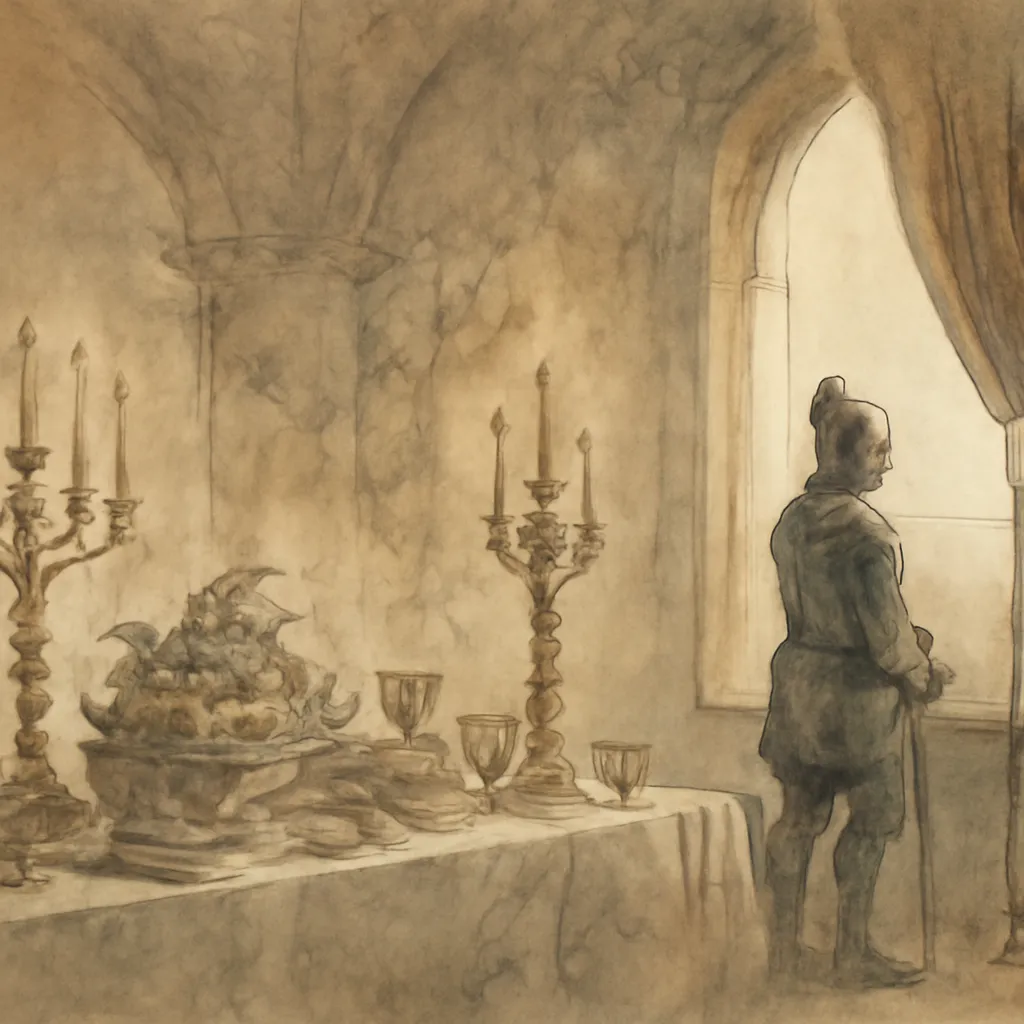
Disraeli presents a nuanced view of nobility, juxtaposing the superficiality of societal status with the deeper moral and ethical responsibilities that come with it. The Duke of Bellamont, for instance, represents the traditional aristocracy, characterized by wealth and influence but lacking in personal engagement or moral courage. His son, Lord Montacute, embodies the struggle of a new generation seeking genuine purpose beyond inherited privilege. This conflict is emphasized when Montacute reflects on his father's inaction and moral ambivalence during pivotal historical moments like the American Revolution. Disraeli urges readers to reconsider the true essence of nobility, suggesting that it is rooted in compassion, sacrifice, and a commitment to justice rather than mere lineage or wealth. Hence, true nobility becomes a form of service to society, requiring individuals to act according to their principles rather than conforming to societal expectations.
2.The Quest for Identity

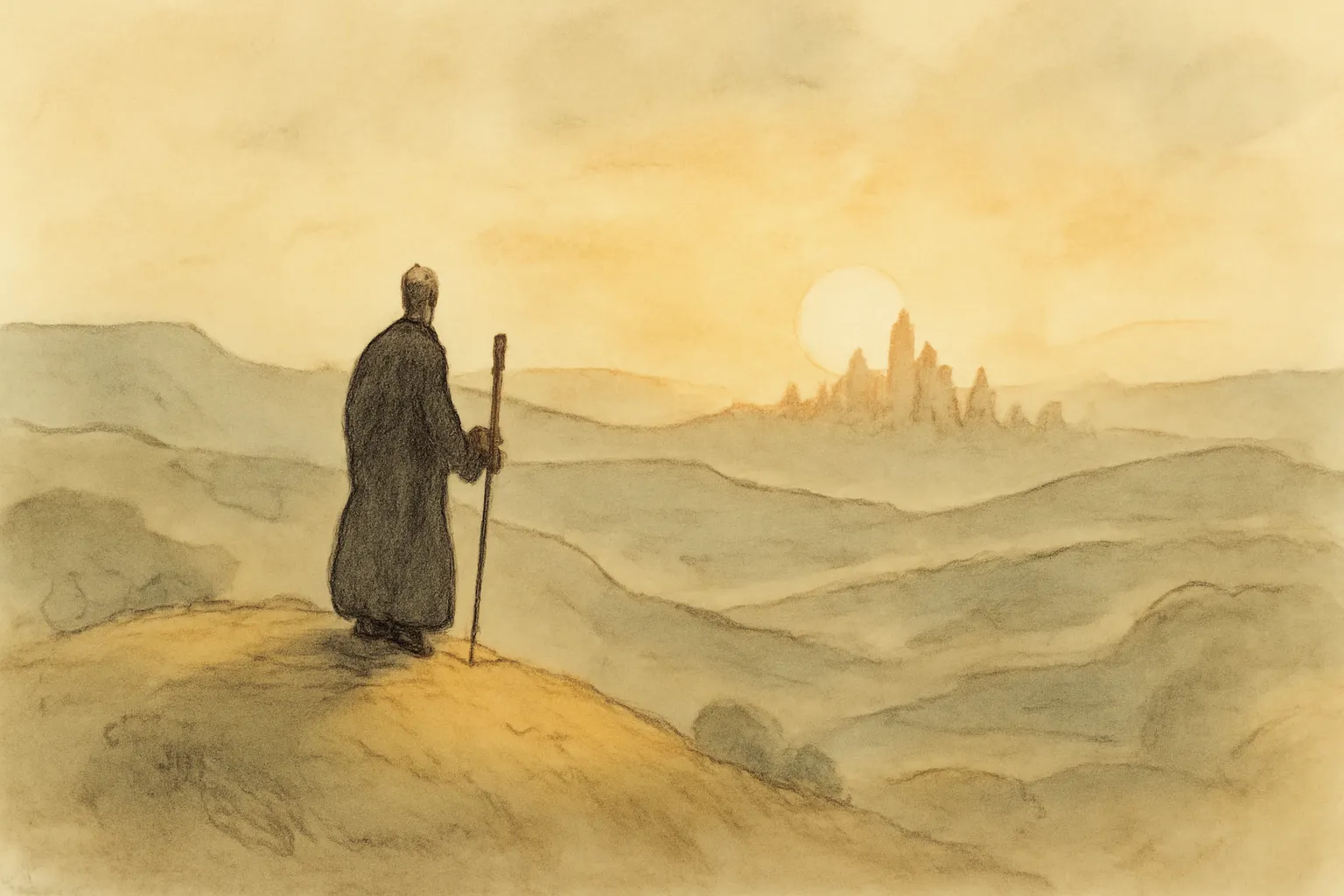
Tancred's journey symbolizes the search for self-identity amid external pressures. Initially depicted as a dutiful son, he soon becomes disillusioned with the constraints of aristocratic life. His desire to travel to the Holy Land reflects a longing for adventure and a deeper understanding of his faith. This quest is not just about physical travel; it is a metaphorical journey toward self-discovery and spiritual awakening. As he grapples with his purpose, Tancred encounters various characters who influence his perspective, including the wise and introspective Lord Eskdale, who serves as a mentor figure. Through these interactions, Disraeli illustrates how the journey toward self-identity is often fraught with conflict and uncertainty, particularly for young individuals like Tancred who are seeking to reconcile their personal aspirations with societal demands. Ultimately, Tancred's quest becomes a reflection of the universal struggle to find one's place in a complex and changing world.
3.Faith and Spiritual Awakening
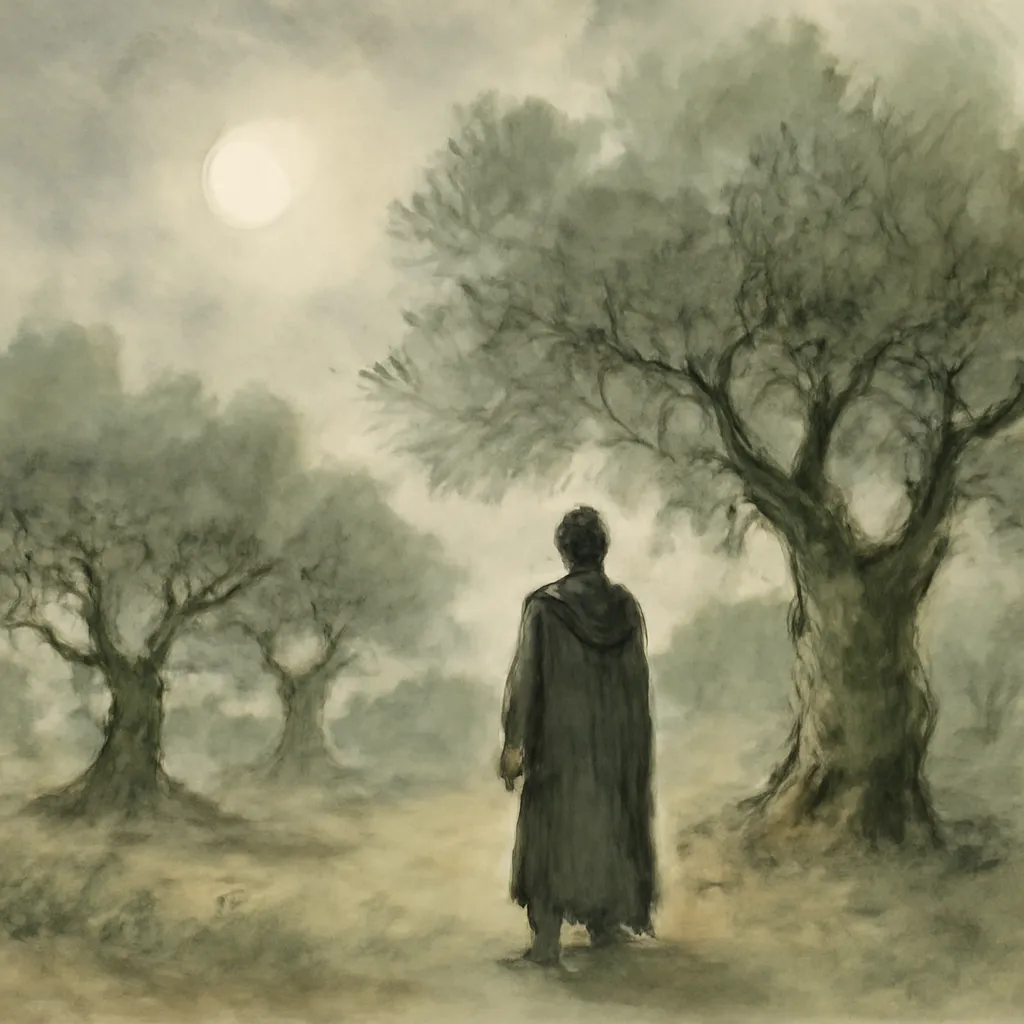
At the heart of 'Tancred' lies a profound exploration of faith, particularly through the character of Tancred himself. His aspiration to visit the Holy Land is driven by a desire to connect with the roots of his faith and to embark on a personal crusade for spiritual enlightenment. Disraeli portrays the Holy Land not merely as a geographical location but as a symbol of hope, redemption, and the quest for divine truth. Tancred's encounters with religious figures, such as the Puseyite clergy, and his experiences among the people of Jerusalem further illuminate the complexities of faith in a modern world. The contrast between Tancred’s idealistic views and the rigid dogmas of established religion challenges readers to reflect on their own spiritual journeys. Disraeli suggests that faith is a deeply personal experience, shaped by individual quests for understanding rather than by blind adherence to tradition. Through Tancred's journey, readers are prompted to consider the transformative power of personal faith and the importance of seeking one's own spiritual path.
4.The Role of Women in Society

Disraeli's portrayal of women in 'Tancred' reflects the evolving roles and perceptions of femininity in Victorian society. The Duchess of Bellamont, Tancred's mother, embodies both traditional values and progressive ideals. She is depicted as a loving, nurturing figure who deeply influences her son's moral compass while also navigating the constraints of her societal role. Her relationships reveal the complexities of women's experiences during this time, showcasing both their limitations and their potential for influence. Lady Bertie and Bellair, another significant female character, represents the emerging voice of women who seek to engage with the world beyond domestic confines. Her passion for the Holy Land and her intellectual companionship with Tancred highlight the importance of women as active participants in spiritual and political discourse. Disraeli portrays these women not as passive figures but as powerful agents of change, suggesting that women's contributions to society are vital for true progress and enlightenment in an era marked by upheaval.
5.Political Commentary and Social Critique
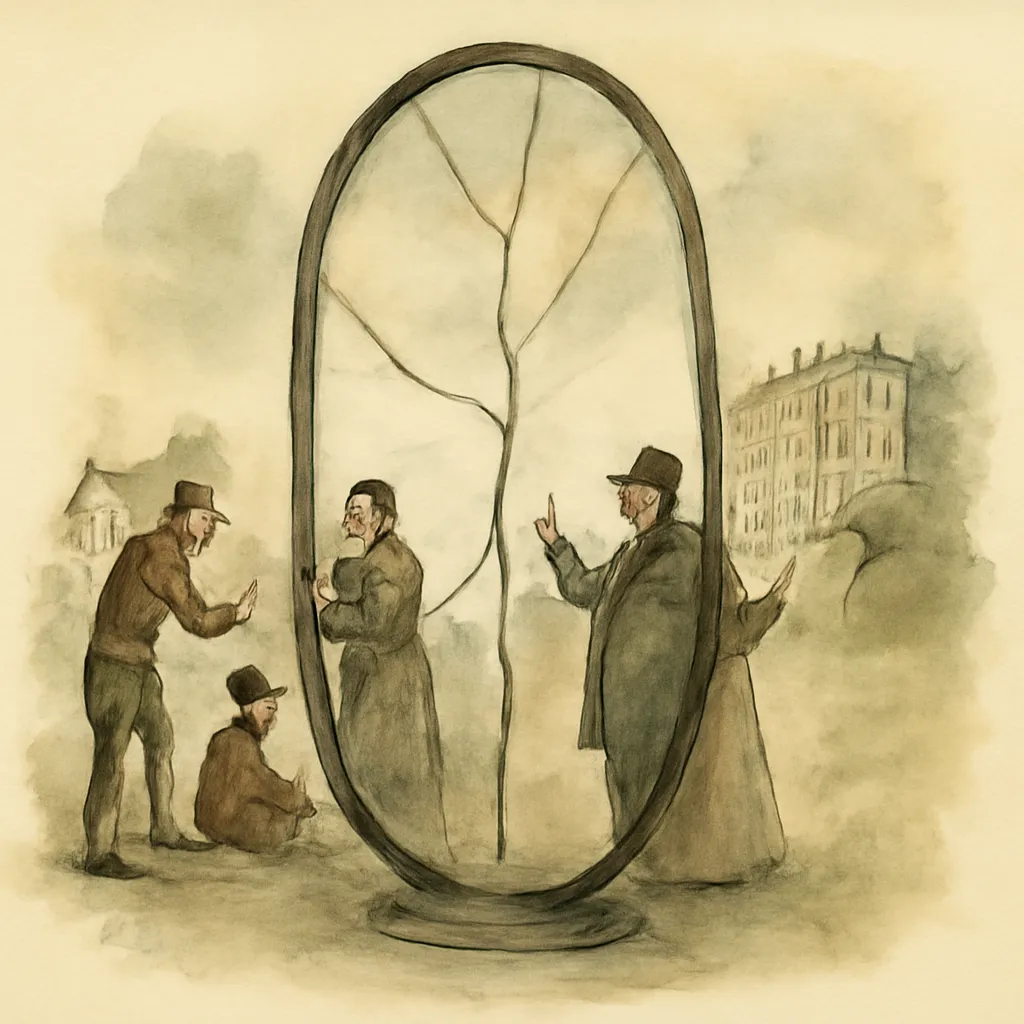
Throughout 'Tancred', Disraeli infuses the narrative with sharp political commentary, reflecting his views on the state of British society and governance. The discussions among the characters often touch upon contemporary issues such as class disparity, the responsibilities of the aristocracy, and the implications of colonialism. The Duke of Bellamont’s detachment from political engagement stands in stark contrast to the active roles that both Tancred and Lord Eskdale take on issues that genuinely affect society. Disraeli critiques the complacency of the ruling class, urging a reevaluation of their roles in a rapidly changing world. The political backdrop serves not only to enrich the narrative but also to challenge readers to consider the ethical dimensions of power and leadership in their own contexts. By placing his characters in the midst of political discourse, Disraeli encourages a critical examination of the moral responsibilities that accompany privilege and influence, making the novel a timely reflection on political engagement and social justice.
6.The Nature of True Love
The theme of love in 'Tancred' transcends mere romance, delving into the idea of love as a transformative force. Tancred's relationship with Lady Bertie and Bellair illustrates how love can inspire individuals to pursue their higher callings. Their connection is rooted in shared ideals and mutual respect, symbolizing a partnership that elevates both characters. Disraeli contrasts this with superficial romantic pursuits that lack depth, emphasizing that true love compels individuals to grow and fulfill their destinies. The emotional depth of their relationship is depicted through their shared discussions about faith, purpose, and the Holy Land, highlighting how love can serve as a catalyst for personal and spiritual development. Disraeli suggests that love, when aligned with noble ideals, can lead individuals to transcend their limitations and strive for greatness, reinforcing the notion that true love is inseparable from personal growth and moral integrity.
7.Crisis of Faith and Doubt
Tancred's journey is also marked by moments of profound doubt and crisis of faith. As he contemplates his mission to the Holy Land, he grapples with conflicting emotions and uncertainties about his path. This inner turmoil resonates with readers who may have experienced similar struggles in their own lives. Disraeli presents doubt not as a weakness but as an integral part of the spiritual journey, suggesting that questioning and wrestling with one's beliefs can lead to greater understanding and conviction. Tancred's moments of self-reflection, often occurring in the solitude of nature or during quiet contemplation, illustrate the complexity of faith as a dynamic force in one's life. His eventual resolution reflects the idea that faith is not a static belief but a living relationship that evolves through experience. This exploration of doubt encourages readers to embrace their uncertainties as they navigate their spiritual journeys.
8.The Power of Vision and Idealism
The character of Tancred exemplifies the power of vision and idealism in shaping one's destiny. Disraeli portrays him as a visionary who dares to dream of a better world, motivated by a sense of purpose that transcends personal ambition. This idealism, however, is not without its challenges, as Tancred faces resistance from those who prioritize tradition and conformity over progress. His commitment to his vision often puts him at odds with his family and peers, who view his aspirations as naive or impractical. Disraeli emphasizes that visionaries often encounter skepticism and obstacles, yet it is their unwavering commitment to their ideals that drives change. By depicting Tancred's struggles and triumphs, Disraeli inspires readers to embrace their own visions and pursue their passions despite adversity, reinforcing the notion that idealism is a potent force for social transformation.
9.Cultural Encounters and Colonial Tensions
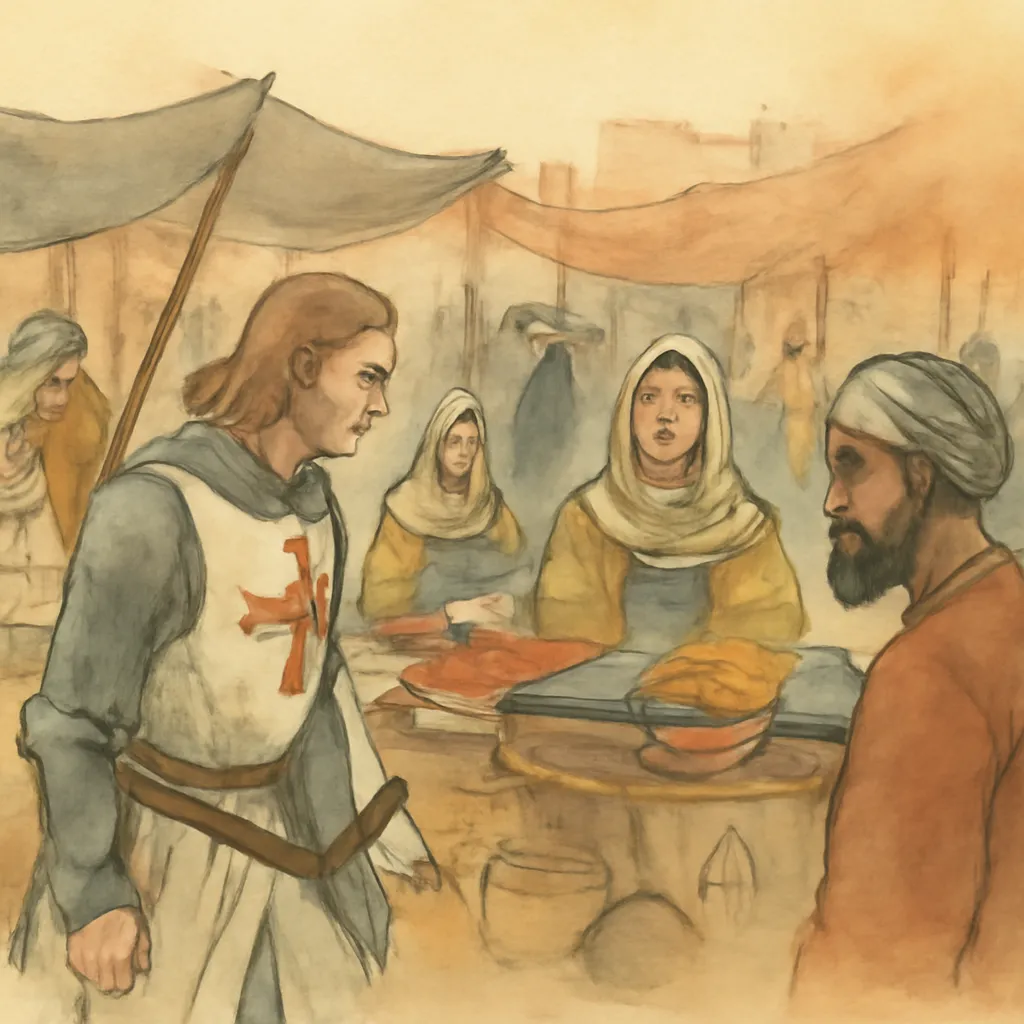
As Tancred travels to the Holy Land, Disraeli explores the cultural encounters and colonial tensions that arise from contact between different societies. The narrative illustrates the complexities of imperialism, as Tancred navigates the diverse cultures and religious practices he encounters. Disraeli raises questions about the nature of cultural exchange, highlighting both the potential for understanding and the risks of exploitation. Tancred's interactions with the locals, including the impact of European influence on their lives, prompt reflections on the ethical implications of colonialism. This theme resonates with contemporary discussions on globalization, as readers are encouraged to consider the responsibilities that come with cultural engagement. Through Tancred's journey, Disraeli suggests that true respect for other cultures necessitates a willingness to listen, learn, and engage authentically rather than impose one's values.
10.The Legacy of the Crusades
Disraeli's title, 'The New Crusade', evokes the historical legacy of the Crusades while reinterpreting it for a contemporary audience. Tancred's journey is framed as a modern crusade—not a military expedition but a personal and spiritual quest for truth and justice. This reimagining of the crusade concept encourages readers to reflect on their own roles in addressing social and moral issues in the world. Disraeli suggests that every generation has its own 'crusade' to undertake, whether it be for social justice, religious understanding, or personal enlightenment. This theme resonates with the idea that the pursuit of noble ideals is a timeless endeavor, urging individuals to recognize their agency in contributing to a more just and compassionate world.