
Fallacies (Logic) · Error · Critical thinking
Heuristics and Biases by Thomas Gilovich — Summary, Key Ideas & Quotes
1991216 pages✦ 3-min Big ideas★ 4.0 (2)
Rate it
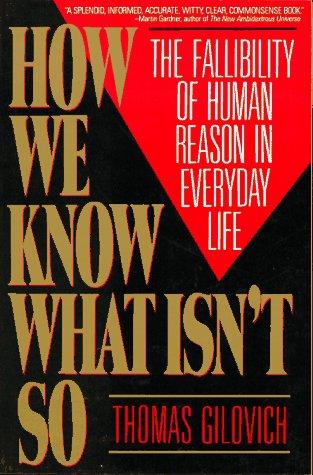
Discusses the processes through which we become convinced of the validity of questionable or false beliefs such as special psychological powers and New Age health practices.

Gilovich explains that heuristics are cognitive shortcuts we use to make quick judgments under uncertainty. While they help us navigate complex information efficiently, these rules of thumb can lead to systematic errors. For instance, the availability heuristic causes us to overestimate the likelihood of events that are more memorable or vivid, not necessarily more common. The book details how these shortcuts, though generally useful, are at the root of many persistent misconceptions.
A central theme is our tendency to notice, remember, and give more weight to information that supports our existing beliefs, while ignoring evidence to the contrary. Gilovich demonstrates how confirmation bias fuels everything from belief in psychic phenomena to the persistence of health fads. This bias not only distorts our perceptions, but also makes it difficult for us to change our minds—even when confronted with strong counter-evidence.