

Decision making · Judgment · Urteilen
The Psychology of Judgment and Decision Making by Scott Plous — Summary, Key Ideas & Quotes
1993302 pages✦ 3-min Big ideas
Rate it
Americans are faced with a bewildering array of choices. In this lively introduction to psychological research on how people make decisions, Scott Plous focuses on the social aspects of decision making and includes everyday examples from medicine, law, business, education, and nuclear arms control, among other areas. Intended for nonspecialists, this book highlights experimental findings rather than psychological theory and presents information in descriptive prose rather than through mathematics. A unique feature of the volume is the "Reader Survey" that precedes the first chapter. Readers are asked to answer questions that are taken from studies discussed later in the book. This brief (and entertaining) exercise allows readers to compare their answers with the responses people gave in the original studies and to better understand their own processes of choosing. In a comprehensive yet nontechnical presentation, Plous explores the building blocks of judgment and decision making: perception, memory, context, and question format. He contrasts historical models of decision making with recent models that take into account various biases in judgment. In addition, the author examines judgments made by and about groups and discusses common traps in judgment and decision making. Not only does he suggest ways to improve decision making, but he offers the following pledge to readers not yet familiar with research on judgment and decision making: "By judiciously applying the results described in this book, you should be better able to avoid decision biases, errors, and traps, and you will better understand the decisions made by other people."
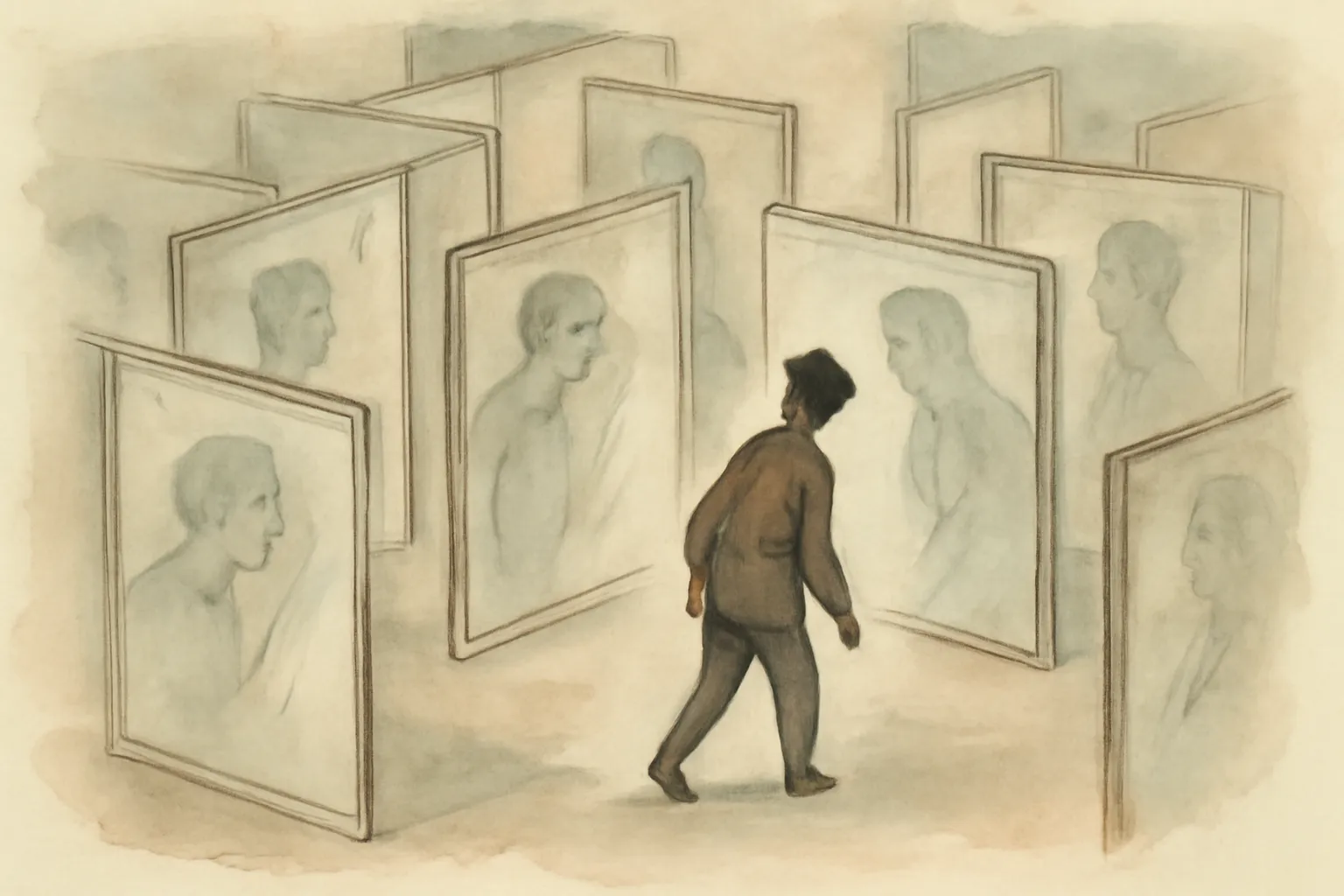
Plous demonstrates that, contrary to the ideal of the perfectly rational decision-maker, humans are deeply influenced by cognitive limitations and emotional factors. Our judgments are often shaped by heuristics—mental shortcuts that can be helpful, but also lead to systematic errors. Rather than calculating probabilities and outcomes with precision, we rely on gut feelings and rules of thumb, which can be efficient but are prone to bias.
How a question or choice is presented—the 'frame'—can dramatically alter our decisions. Plous explores classic experiments showing that people respond very differently to identical options depending on whether they are framed in terms of gains or losses. This insight has profound implications for fields from marketing to public policy, revealing how subtle shifts in wording can nudge people toward entirely different choices.
“People tend to be overconfident in their judgments.”
“The framing of a question can have a dramatic impact on the answer.”