1.The Limits of Rationality
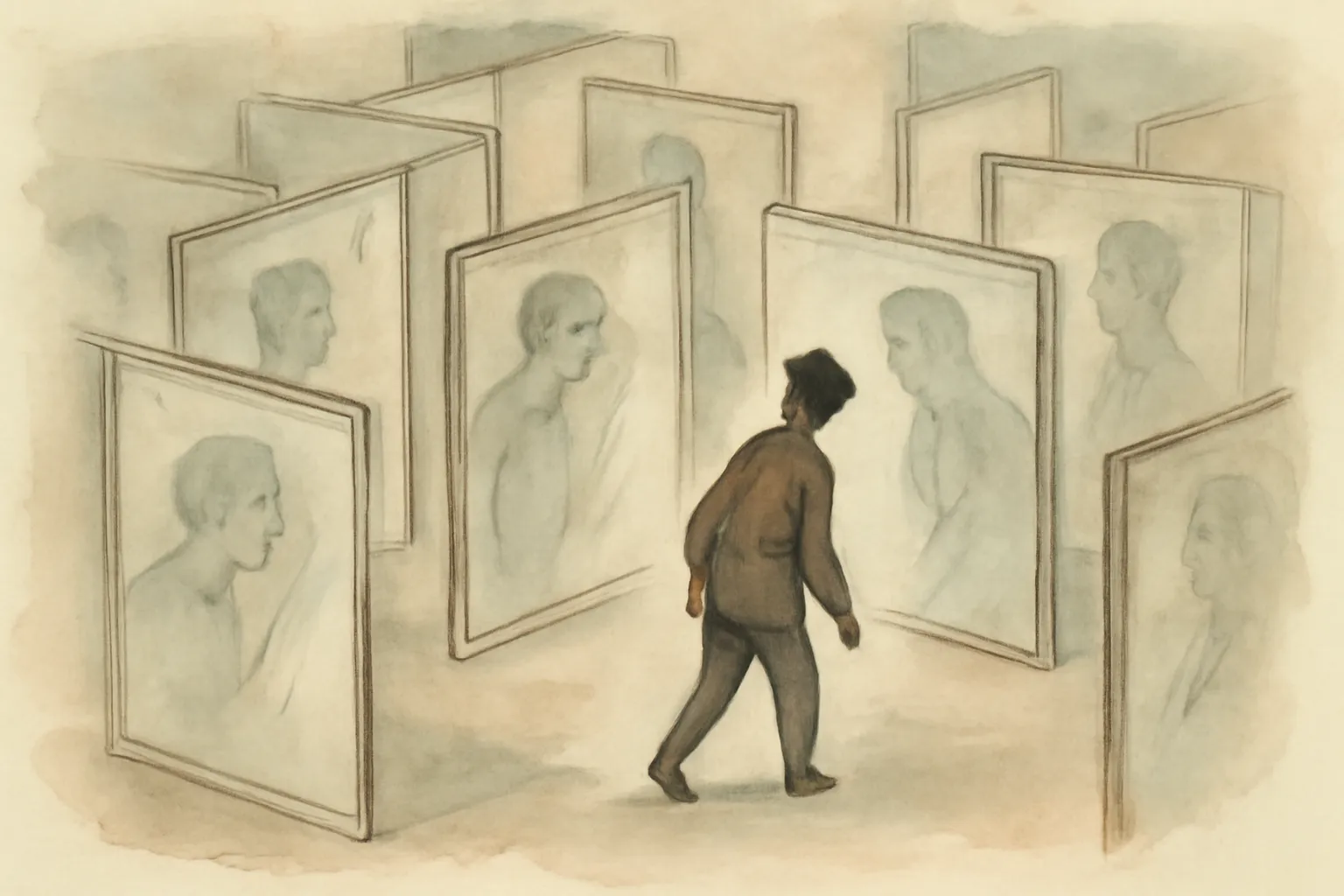
Plous demonstrates that, contrary to the ideal of the perfectly rational decision-maker, humans are deeply influenced by cognitive limitations and emotional factors. Our judgments are often shaped by heuristics—mental shortcuts that can be helpful, but also lead to systematic errors. Rather than calculating probabilities and outcomes with precision, we rely on gut feelings and rules of thumb, which can be efficient but are prone to bias.
2.The Power of Framing
How a question or choice is presented—the 'frame'—can dramatically alter our decisions. Plous explores classic experiments showing that people respond very differently to identical options depending on whether they are framed in terms of gains or losses. This insight has profound implications for fields from marketing to public policy, revealing how subtle shifts in wording can nudge people toward entirely different choices.
3.Social Influences on Decision Making
Decision making rarely happens in a vacuum. Plous emphasizes the role of social context, including conformity, authority, and group dynamics, in shaping our judgments. We are often swayed by the opinions and behaviors of others, sometimes at the expense of our own better judgment. This social dimension helps explain phenomena like groupthink and the diffusion of responsibility.
4.Overconfidence and Illusions of Knowledge
One of the book's central themes is our tendency toward overconfidence. Plous shows that people routinely overestimate their knowledge, abilities, and the accuracy of their predictions. This bias can have serious consequences in domains ranging from medicine to finance, where unwarranted certainty can lead to poor outcomes.
5.The Impact of Memory and Perception
Our memories and perceptions are not objective recorders of reality, but are subject to distortion and selective attention. Plous details how memory errors and perceptual biases can skew our judgments, leading us to misinterpret risks, probabilities, and past experiences. Understanding these limitations is key to making better decisions.
6.Improving Judgment and Decision Making
While much of the book details our cognitive shortcomings, Plous also discusses strategies for improving decision quality. These include seeking diverse perspectives, being aware of common biases, and deliberately considering alternative viewpoints. The book encourages readers to become more reflective and skeptical of their own intuitions.