1.Heuristics: Mental Shortcuts with a Price
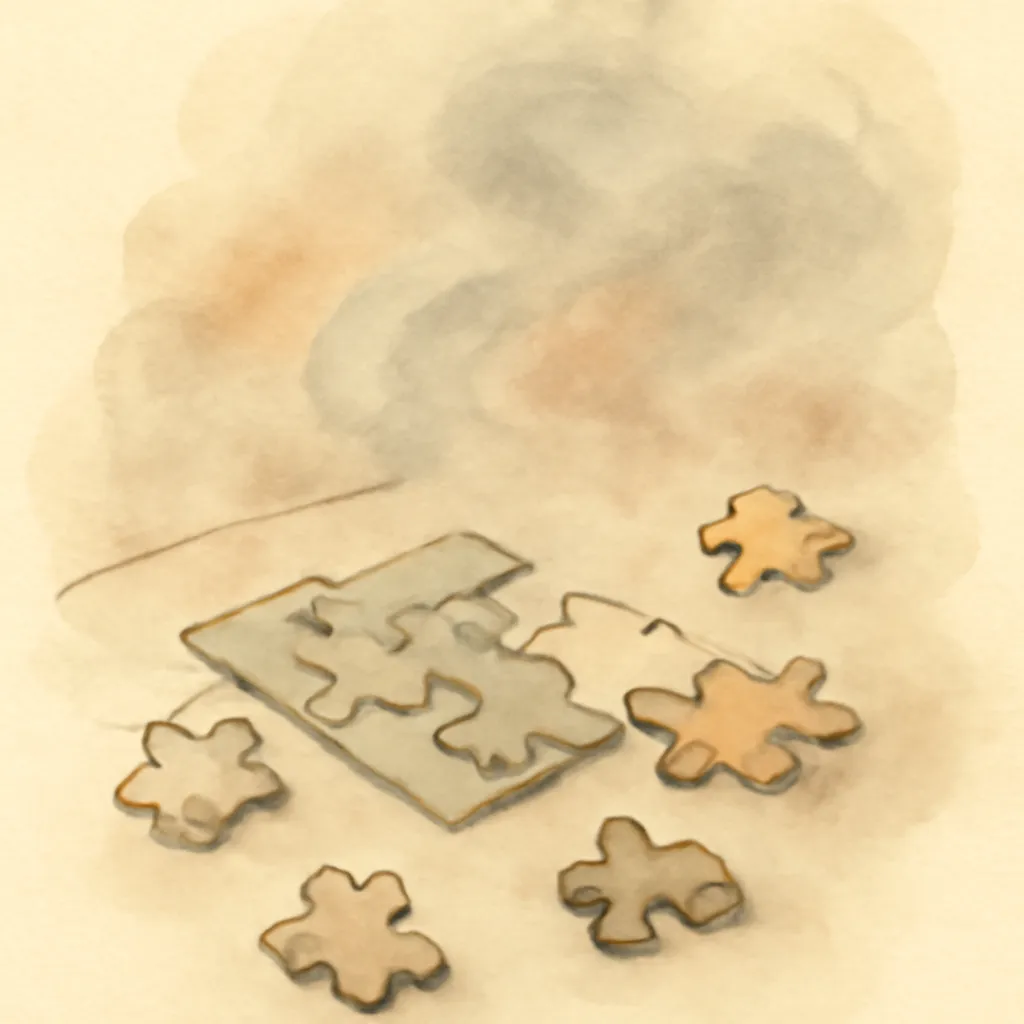
Gilovich explains that heuristics are cognitive shortcuts we use to make quick judgments under uncertainty. While they help us navigate complex information efficiently, these rules of thumb can lead to systematic errors. For instance, the availability heuristic causes us to overestimate the likelihood of events that are more memorable or vivid, not necessarily more common. The book details how these shortcuts, though generally useful, are at the root of many persistent misconceptions.
2.Confirmation Bias: Seeing What We Expect
A central theme is our tendency to notice, remember, and give more weight to information that supports our existing beliefs, while ignoring evidence to the contrary. Gilovich demonstrates how confirmation bias fuels everything from belief in psychic phenomena to the persistence of health fads. This bias not only distorts our perceptions, but also makes it difficult for us to change our minds—even when confronted with strong counter-evidence.
3.Pattern Seeking and Illusory Correlation
Humans are natural pattern-seekers, often perceiving connections or causality where none exist. Gilovich explores how this tendency leads us to see meaning in random events, such as interpreting coincidences as signs or believing in lucky streaks. The book discusses 'illusory correlation,' where people mistakenly believe two unrelated events are linked, which underpins many superstitions and pseudoscientific beliefs.
4.Misinterpretation of Randomness
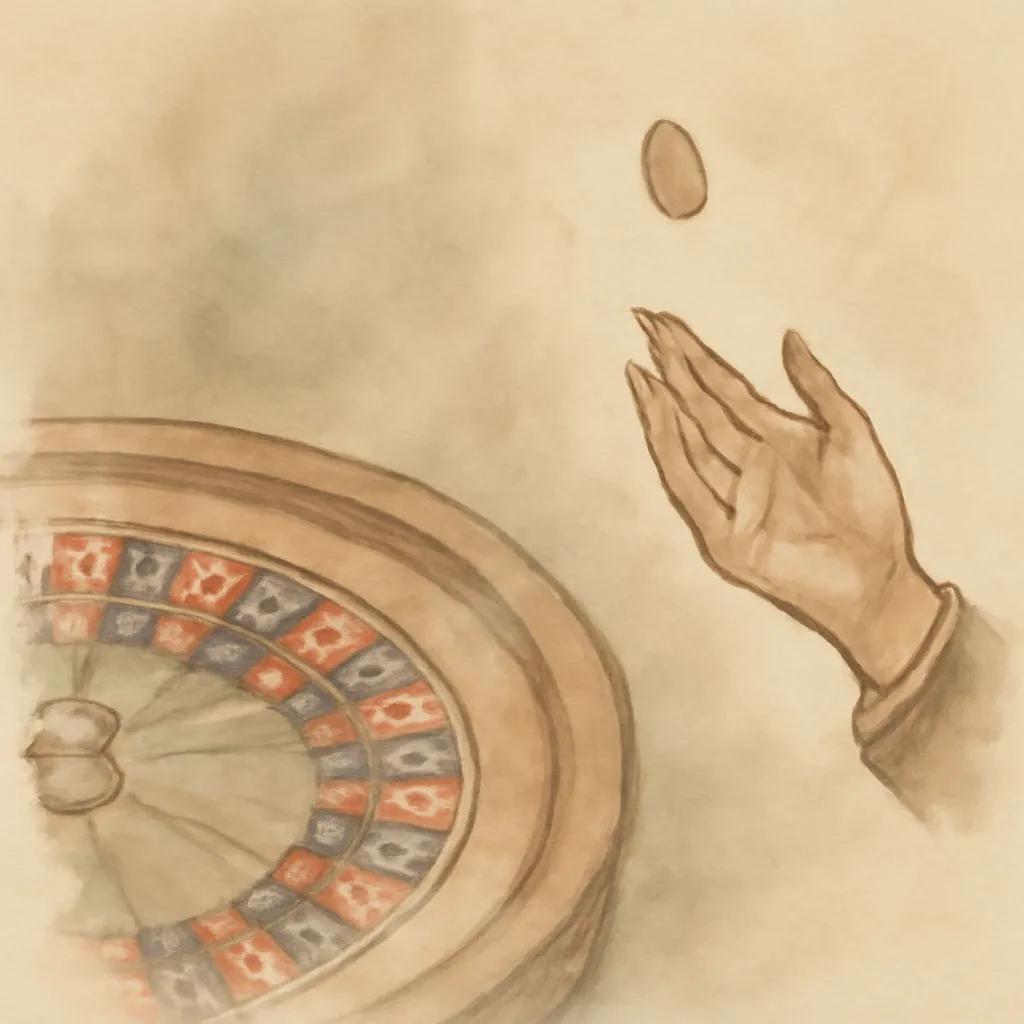
Gilovich highlights how poorly we understand randomness, often attributing intentional design or meaningful patterns to chance events. This misunderstanding is central to why people believe in phenomena like the 'hot hand' in sports or the effectiveness of unproven remedies. The book shows how our discomfort with uncertainty pushes us to impose order on the unpredictable.
5.The Role of Social Influence
The book also examines how social dynamics reinforce false beliefs. From groupthink to the influence of authority figures, Gilovich shows that our judgments are shaped not just by internal biases, but also by the people around us. This helps explain the spread and persistence of popular but unfounded ideas, as social validation can override critical analysis.
6.Skepticism and Self-Correction
Gilovich doesn't just diagnose the problem; he also advocates for skepticism and self-awareness. By recognizing our cognitive biases, we can become more critical consumers of information. The book encourages readers to question their assumptions, seek disconfirming evidence, and adopt more rigorous standards for belief.