Fiction · Romance
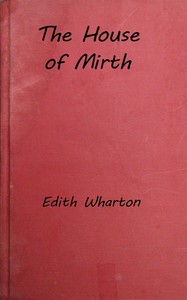
The House of Mirth by Edith Wharton — Summary, Key Ideas & Full Text
429 pages29 chapters8h 37m read6h 7m speed read✦ 8-min Big ideas★ 4.1 (16)Free · no account
Rate it
The House of Mirth explores the tragic consequences of societal expectations and personal ambition through the life of Lily Bart, a beautiful but impoverished socialite navigating the treacherous waters of New York's high society
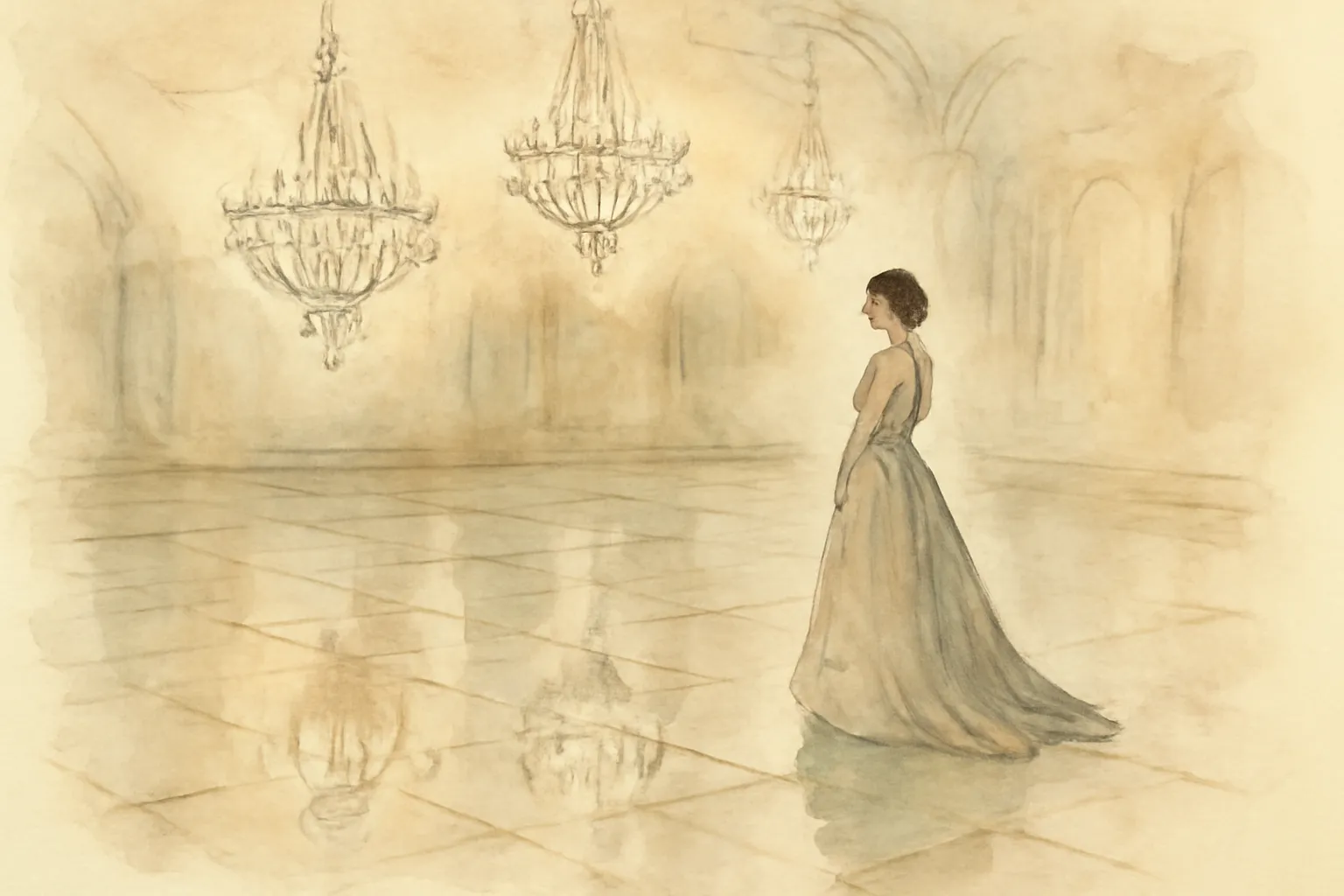
Edith Wharton's The House of Mirth presents a poignant critique of the social mores and moral dilemmas faced by women in early 20th-century America. At its center is Lily Bart, a strikingly beautiful young woman whose aspirations for wealth and status are thwarted by the rigid expectations of her social circle. As she grapples with her desire for independence against the demands of marriage and social propriety, the novel reveals the depths of her character and the harsh realities of her world. Readers will find themselves immersed in a narrative that blends the allure of high society with the tragic consequences of ambition and the quest for identity in a constrictive environment. Wharton’s keen observations and rich character development make this a timeless exploration of the human condition and the societal structures that shape our lives.
The House of Mirth remains a powerful exploration of the societal constraints placed on women and the tragic consequences of ambition and desire. Through the character of Lily Bart, Wharton deftly critiques the superficial values of high society, revealing the moral complexities that underpin human relationships. The novel serves as a poignant reminder of the enduring struggle for identity and autonomy in a world that often prioritizes wealth and status over personal integrity. As readers engage with Lily's journey, they are invited to reflect on the broader implications of her story, considering how societal expectations continue to shape individual lives in contemporary society. Wharton's masterful narrative not only captivates but also challenges us to confront the moral dilemmas inherent in our own pursuits of happiness.
Edith Wharton has 3 works free to read on Lumina, including Ethan Frome, The Age of Innocence
All 3 books by Edith Wharton →