1.The Fragility of Beauty and Social Status
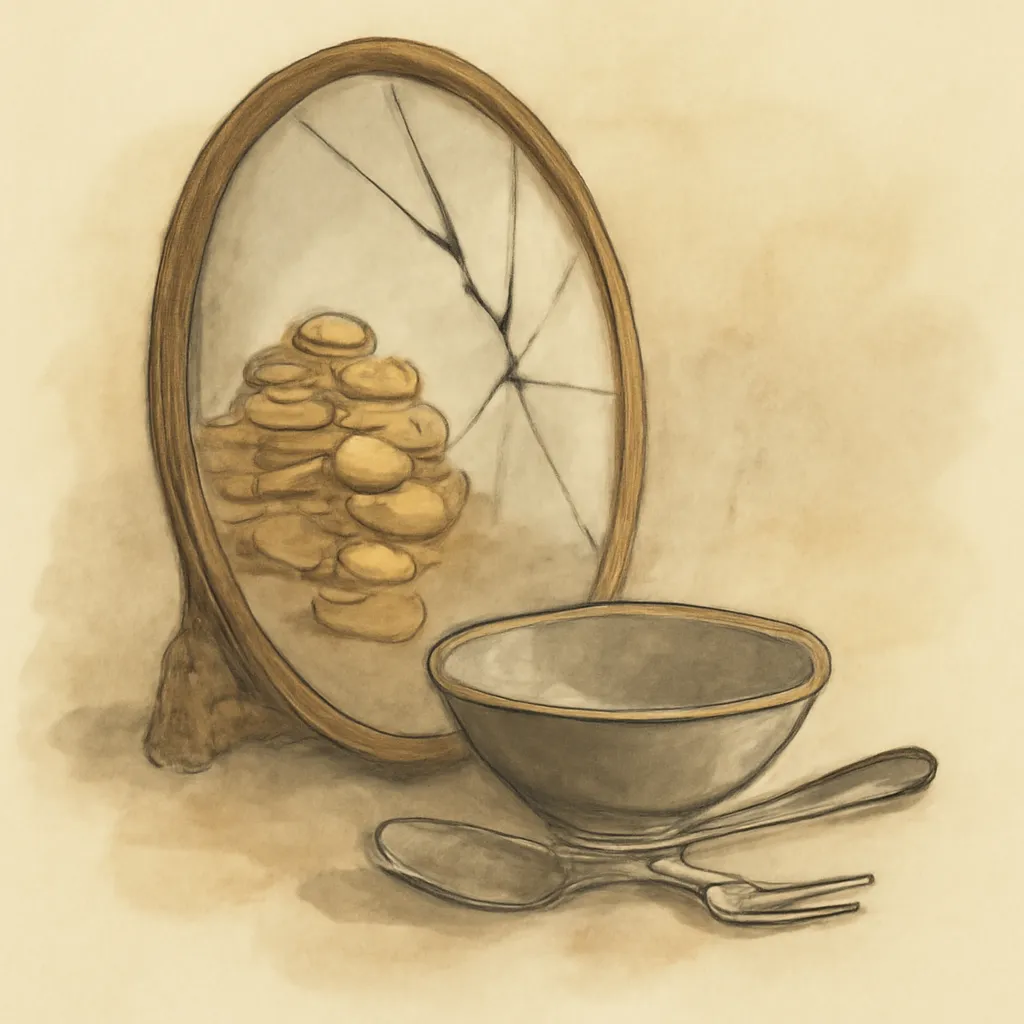
Lily Bart's beauty is both her greatest asset and her most significant burden. In the world of New York’s elite, physical appearance dictates social standing, and Lily's allure opens doors that would otherwise remain closed. However, this superficial advantage is precarious; Lily's beauty is not a guarantee of security or happiness. As she ages and her looks begin to fade, the societal value placed on her diminishes, leading to a desperate struggle for survival. Wharton illustrates the harsh reality that beauty is fleeting and that society's fickle nature can leave even the most glamorous individuals vulnerable and isolated.
2.The Cost of Independence
Lily's desire for independence is a driving force in her life, yet it comes at a steep price. She yearns to escape the confines of a society that demands women conform to specific roles, primarily that of a wife. However, her attempts to assert her independence often lead her into precarious situations that threaten her reputation and financial stability. Wharton deftly portrays Lily's internal conflict as she navigates the fine line between self-sufficiency and societal expectations. The irony is that her quest for freedom ultimately ensnares her further in dependency, highlighting the limited options available to women of her time.
3.The Role of Money and Materialism
Money is a pervasive theme in The House of Mirth, serving as both a symbol of power and a source of conflict. Lily's financial struggles are central to her narrative; her inability to secure a wealthy husband places her in a vulnerable position within society. Wharton explores how wealth influences relationships and social dynamics, revealing the transactional nature of many interactions among the elite. Characters like Gus Trenor and Simon Rosedale exemplify the corrupting influence of money, as their motivations often stem from a desire for social ascension rather than genuine affection. Through Lily's plight, Wharton critiques a society that equates worth with wealth, exposing the hollowness of materialism.
4.Friendship and Betrayal
The novel intricately weaves themes of friendship and betrayal, particularly through Lily's relationships with characters like Gerty Farish and Bertha Dorset. Gerty represents a loyal friend, offering support and understanding, yet Lily's ambitions often lead her to prioritize societal approval over genuine connections. In contrast, Bertha embodies the treachery of the elite, using her influence to undermine Lily's prospects. Wharton showcases how the competitive nature of high society fosters betrayal, as characters manipulate relationships to secure their own positions. This exploration raises questions about the true nature of friendship in a world where loyalty is often sacrificed for social gain.
5.The Illusion of Choice
Lily Bart's life is marked by a series of choices that often feel like illusions. While she appears to have agency in her decisions, Wharton illustrates how societal constraints limit her options. Each choice, whether to pursue a wealthy suitor or to reject a marriage proposal, is influenced by external pressures and expectations. As Lily attempts to navigate her circumstances, she is often left with no truly viable options, leading to a sense of entrapment. Wharton's portrayal of Lily’s plight serves as a commentary on the broader societal structures that dictate women's choices, challenging the notion of autonomy in a patriarchal society.
6.The Consequences of Social Climbing
Lily's ambition to ascend the social ladder ultimately leads to her downfall. Throughout the novel, she engages in various social maneuvers to secure a position of stability, yet each attempt is met with increasing resistance and moral compromise. Wharton illustrates the perils of social climbing, depicting how the pursuit of status can corrupt one's values and relationships. Lily's interactions with characters like Rosedale highlight the moral ambiguities of social ambition, as she grapples with the sacrifices required to attain her goals. The narrative serves as a cautionary tale about the dangers of prioritizing societal approval over personal integrity.
7.The Role of Gender in Society
Wharton’s examination of gender roles is central to understanding the constraints placed on Lily Bart. The novel vividly portrays the limited options available to women in the early 20th century, where marriage is often viewed as the only means of achieving security and respectability. Lily’s struggles reflect the societal pressure to marry well and the stigma attached to unmarried women. Through her character, Wharton critiques the patriarchal structures that dictate women’s lives, revealing the deep-seated inequalities that persist within society. Lily's tragic fate underscores the devastating impact of these gender norms, as her independence is continually undermined by the very society she seeks to navigate.
8.The Complexity of Human Relationships
The relationships in The House of Mirth are fraught with complexity, revealing the intricacies of human emotions and motivations. Wharton delves into the psychological depth of her characters, exploring how their desires and fears shape their interactions. Lily's relationships with men are particularly telling; her romantic entanglements often blur the lines between love, financial security, and social ambition. Characters like Selden and Dorset embody different aspects of masculinity, each presenting challenges and opportunities for Lily. Wharton's nuanced portrayal of these dynamics invites readers to consider the multifaceted nature of human connections and the ways in which societal pressures influence personal relationships.
9.The Impact of Reputation
Reputation is a central concern for Lily Bart, dictating her actions and decisions throughout the novel. In high society, a woman's worth is often measured by her reputation, and Lily is acutely aware of the precariousness of her social standing. Wharton illustrates how rumors and perceptions can shape one's identity, leading to a cycle of self-doubt and anxiety. As Lily navigates the treacherous waters of social scrutiny, her fear of scandal drives her to make choices that ultimately compromise her integrity. The novel serves as a commentary on the destructive power of reputation, highlighting how societal judgment can dictate personal fate.
10.The Tragedy of Miss Lily Bart
Lily Bart's story is one of tragedy, marked by missed opportunities and heartbreaking choices. Wharton crafts a narrative that elicits both sympathy and frustration for Lily, who embodies the struggles of countless women in her era. Her journey is a poignant exploration of the human condition, revealing the profound impact of societal expectations on individual lives. As Lily's circumstances deteriorate, readers witness the unraveling of her dreams and ambitions, culminating in a heartbreaking conclusion that underscores the cost of societal conformity. Wharton’s masterful storytelling invites reflection on the broader implications of Lily's fate, prompting readers to consider the enduring relevance of her struggles in contemporary society.