

True · Crime · Murder
In Cold Blood by Truman Capote — Summary, Key Ideas & Quotes
1965352 pages✦ 3-min Big ideas★ 4.0 (96)
Rate it
On November 15, 1959, in the small town of Holcomb, Kansas, four members of the Clutter family were savagely murdered by blasts from a shotgun held a few inches from their faces. There was no apparent motive for the crime, and there were almost no clues.
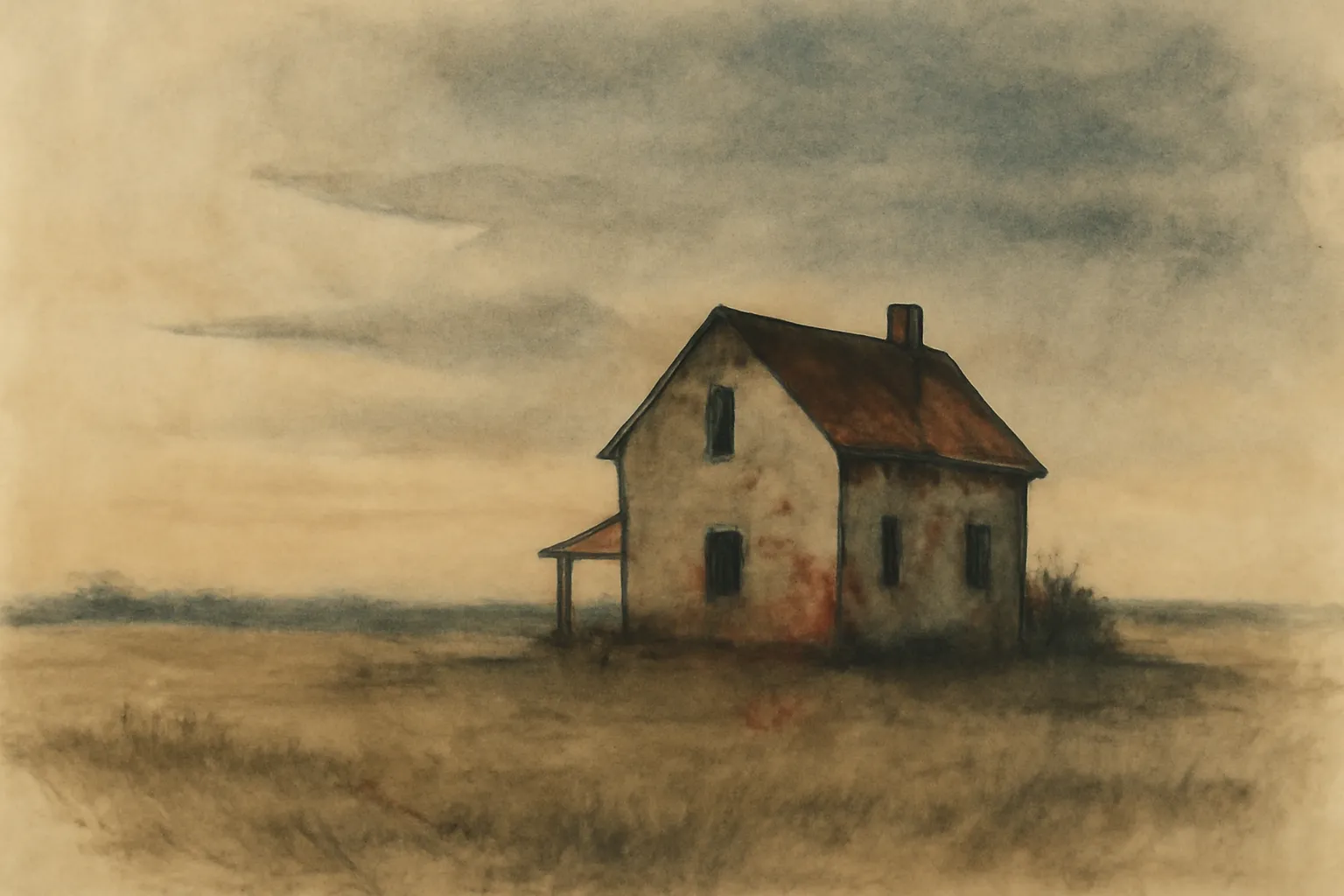
Capote pioneered a new literary form with In Cold Blood, blending the factual precision of journalism with the narrative techniques of fiction. He meticulously researched the Clutter family murders, conducting interviews and immersing himself in the Kansas community. The result is a book that reads like a novel but is grounded in real events, raising questions about truth, objectivity, and the ethics of storytelling.
Rather than presenting the murderers, Perry Smith and Dick Hickock, as mere monsters, Capote delves deeply into their backgrounds, personalities, and motivations. He explores their childhood traumas, dreams, and failures, encouraging readers to grapple with the complexities of criminal psychology and the blurred line between victim and perpetrator. This nuanced portrayal challenges simplistic notions of good and evil.
“The village of Holcomb stands on the high wheat plains of western Kansas, a lonesome area that other Kansans call 'out there.'”
“Imagination, of course, can open any door—turn the key and let terror walk right in.”
“The crime was a psychological accident, virtually an impersonal act; the victims might as well have been killed by lightning.”