1.The Nonfiction Novel
Capote pioneered a new literary form with In Cold Blood, blending the factual precision of journalism with the narrative techniques of fiction. He meticulously researched the Clutter family murders, conducting interviews and immersing himself in the Kansas community. The result is a book that reads like a novel but is grounded in real events, raising questions about truth, objectivity, and the ethics of storytelling.
2.Humanizing the Killers
Rather than presenting the murderers, Perry Smith and Dick Hickock, as mere monsters, Capote delves deeply into their backgrounds, personalities, and motivations. He explores their childhood traumas, dreams, and failures, encouraging readers to grapple with the complexities of criminal psychology and the blurred line between victim and perpetrator. This nuanced portrayal challenges simplistic notions of good and evil.
3.The Impact of Violence on Community
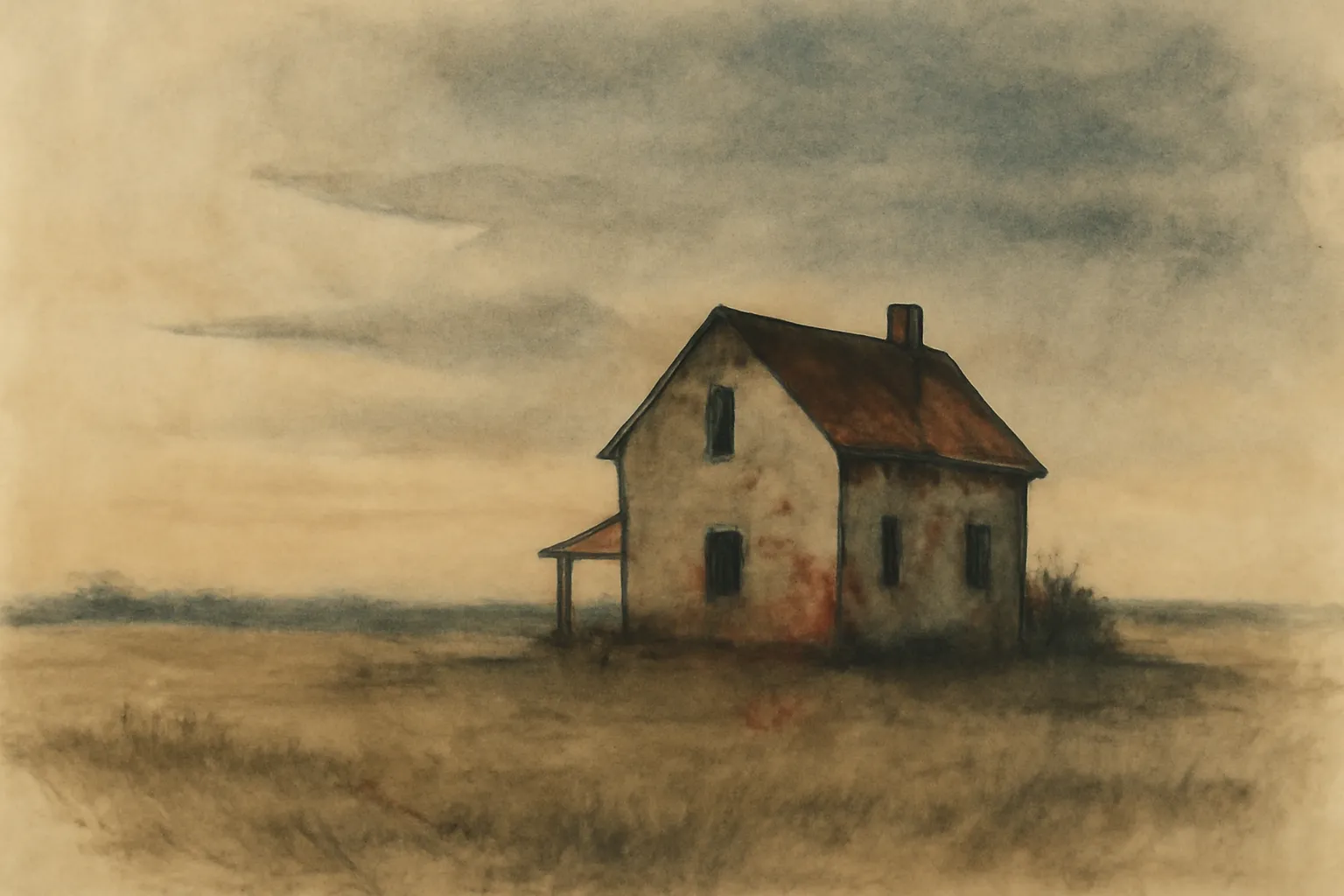
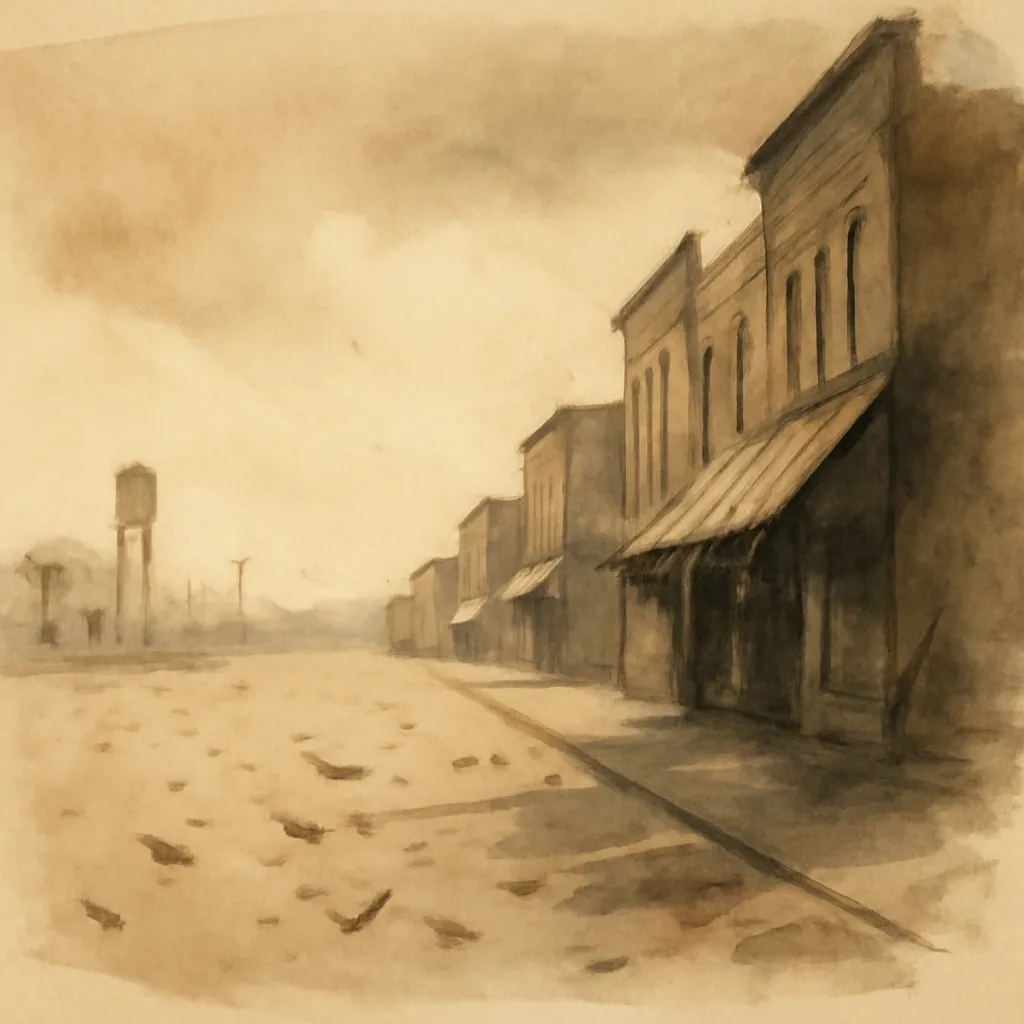
The Clutter murders shattered the sense of safety in Holcomb, Kansas, and Capote carefully documents the ripple effects on the town’s residents. The book examines how violence can disrupt not only individual lives but entire communities, exposing underlying fears, prejudices, and the fragility of social order. Capote’s attention to the townspeople’s reactions adds emotional depth and sociological insight.
4.The American Dream and Its Discontents
The Clutter family embodies the ideal of mid-century American prosperity and stability, but their sudden, senseless deaths expose the vulnerability of those dreams. Capote contrasts the Clutters’ success with the killers’ desperation and alienation, highlighting the dark undercurrents of American society. The book interrogates the promises and failures of the American Dream.
5.Justice, Punishment, and Morality
In Cold Blood scrutinizes the criminal justice system, from the investigation to the trial and execution of the killers. Capote raises questions about capital punishment, the possibility of redemption, and the nature of justice. His even-handed approach invites readers to reflect on society’s response to crime and the moral ambiguities inherent in retribution.
6.The Ethics of True Crime Storytelling
Capote’s intimate involvement with the case and his literary embellishments have sparked debates about the responsibilities of writers who tell true crime stories. The book’s immersive style and emotional power force readers to consider the potential for exploitation, sensationalism, and the impact on victims’ families. In Cold Blood remains a touchstone for discussions about truth and representation in nonfiction.