
In Connection with the De Willoughby Claim intricately weaves themes of identity, belonging, and the transformative power of love against a backdrop of social expectations and personal redemption
Read full overviewShow less›
Frances Hodgson Burnett's 'In Connection with the De Willoughby Claim' presents a rich tapestry of Southern life, exploring the intersections of social status, family legacy, and personal connection. Set in a community steeped in tradition and expectation, the novel delves into the complexities of identity as it follows Tom De Willoughby, a man of considerable size and laziness, who unexpectedly becomes the guardian of a small child. Through Tom's nurturing journey, Burnett reveals how love can transcend societal boundaries and reshape one's destiny. Readers will discover a narrative that balances humor with poignant moments of reflection, ultimately questioning what it means to truly belong.
In 'In Connection with the De Willoughby Claim,' Frances Hodgson Burnett crafts a narrative that transcends the boundaries of time and place, exploring universal themes of love, identity, and community. Through the lens of Tom De Willoughby's unexpected journey into fatherhood, readers are invited to reflect on the complexities of human relationships and the transformative power of love. The novel challenges societal norms while celebrating the beauty of connection, reminding us that our identities are shaped not only by our legacies but also by the choices we make and the relationships we nurture. Ultimately, Burnett's work resonates with a timeless message: true wealth lies in the bonds we forge and the love we share.
- 1The Weight of Legacy
- 2Community and Isolation
- 3The Transformative Power of Love
- 4Nature as a Reflection of Inner Growth
- 5Social Class and Its Implications
Notable quotes
“The derndest, laziest critter, his acquaintances would remark to each other.”
“To have been born a De Willoughby was, in general opinion, to have been born with a silver spoon in one's mouth.”
“He’ll be more comfortable, he said.”
A glimpse inside

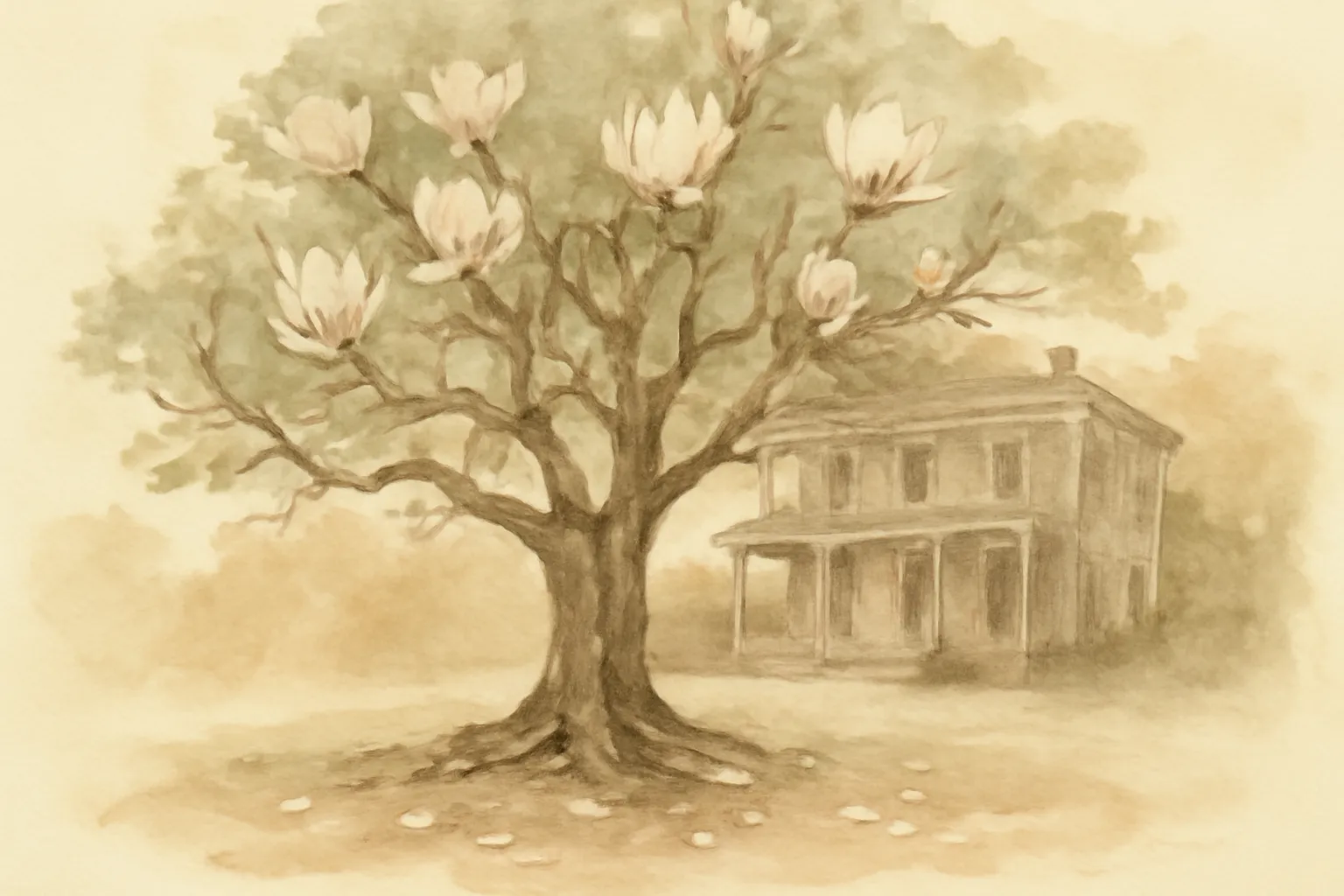
The De Willoughby family represents a legacy that is both revered and burdensome. Before the Civil War, the De Willoughbys were a prominent family in Delisle County, Tenn… Read moreThe De Willoughby family represents a legacy that is both revered and burdensome. Before the Civil War, the De Willoughbys were a prominent family in Delisle County, Tennessee, known for their wealth, social standing, and physical beauty. Burnett paints a picture of a society where lineage and social status dictate one’s identity. The family’s downfall, marked by lavish spending and theatrical bravado, serves as a cautionary tale about the ephemeral nature of wealth and respectability. Tom De Willoughby, as a descendant of this lineage, feels the weight of expectations despite his indolent nature. His journey illustrates the struggle between embracing one’s heritage and forging an independent identity. As Tom grapples with the implications of his family’s past, the narrative critically examines how societal expectations shape personal choices, forcing readers to reflect on the impact of heritage on individual identity. Show less
The novel vividly depicts the small-town dynamics of Hamlin County, where community ties are both a source of strength and a mechanism of control. Read moreThe novel vividly depicts the small-town dynamics of Hamlin County, where community ties are both a source of strength and a mechanism of control. The residents are portrayed as friendly yet nosy, with their lives intertwined through gossip and shared history. Tom, despite his size and laziness, is a beloved figure in this community, reflecting how one’s personality can endear them to others regardless of their shortcomings. However, the arrival of a mysterious stranger and his companion disrupts this equilibrium, highlighting how outsiders are often viewed with suspicion. This tension between community and isolation is a recurring theme, emphasizing the human desire for connection while also acknowledging the fear of the unknown. Burnett uses the character of Mr. Stamps to illustrate the curiosity and speculation that arise when newcomers appear, emphasizing how community dynamics can shift rapidly based on perceptions, thus raising questions about the nature of acceptance and belonging. Show less
Read the full text — free
About the author
Frances Hodgson Burnett has 3 works free to read on Lumina, including A Little Princess, The Secret Garden
All 3 books by Frances Hodgson Burnett →