1.The Weight of Legacy
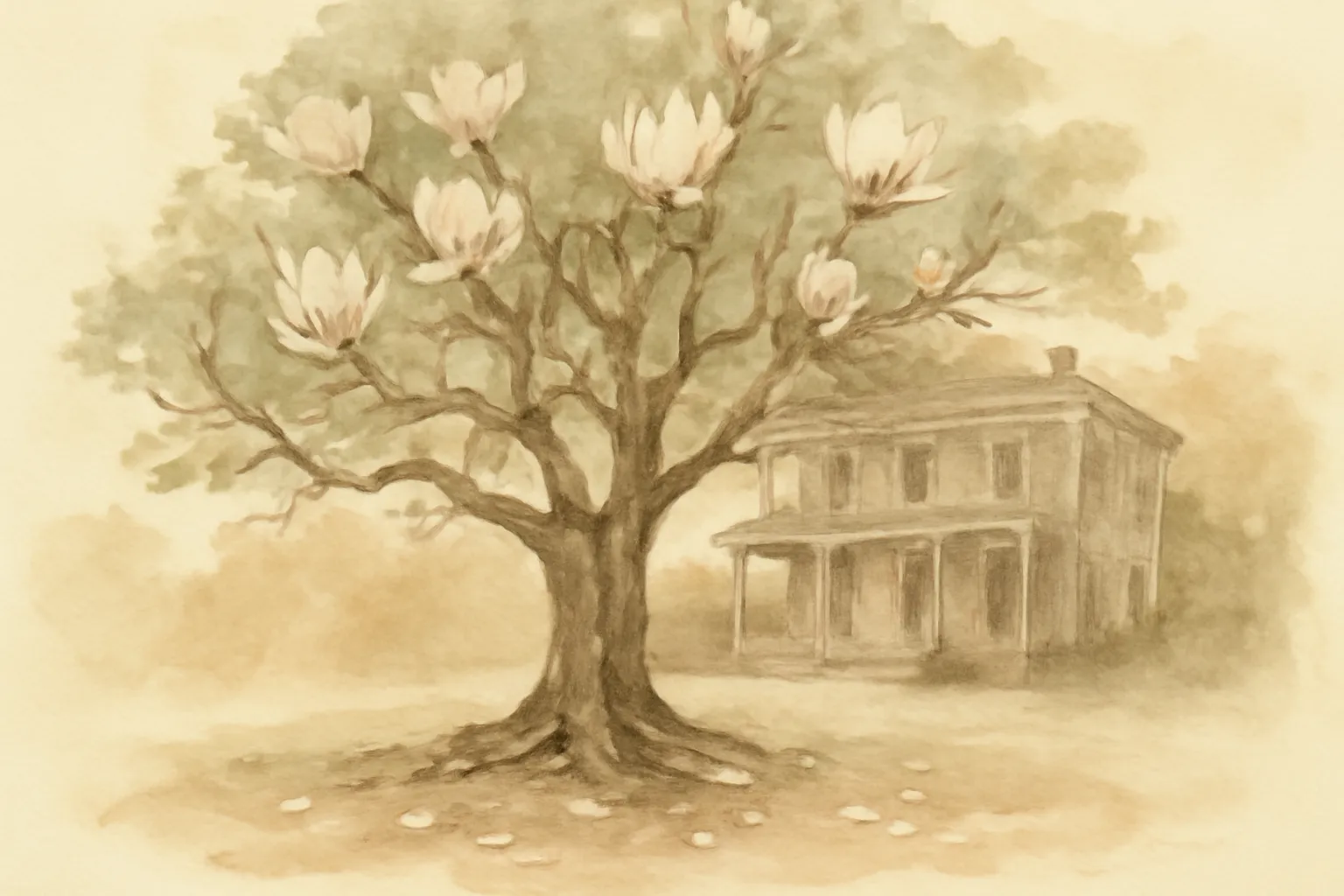
The De Willoughby family represents a legacy that is both revered and burdensome. Before the Civil War, the De Willoughbys were a prominent family in Delisle County, Tennessee, known for their wealth, social standing, and physical beauty. Burnett paints a picture of a society where lineage and social status dictate one’s identity. The family’s downfall, marked by lavish spending and theatrical bravado, serves as a cautionary tale about the ephemeral nature of wealth and respectability. Tom De Willoughby, as a descendant of this lineage, feels the weight of expectations despite his indolent nature. His journey illustrates the struggle between embracing one’s heritage and forging an independent identity. As Tom grapples with the implications of his family’s past, the narrative critically examines how societal expectations shape personal choices, forcing readers to reflect on the impact of heritage on individual identity.
2.Community and Isolation

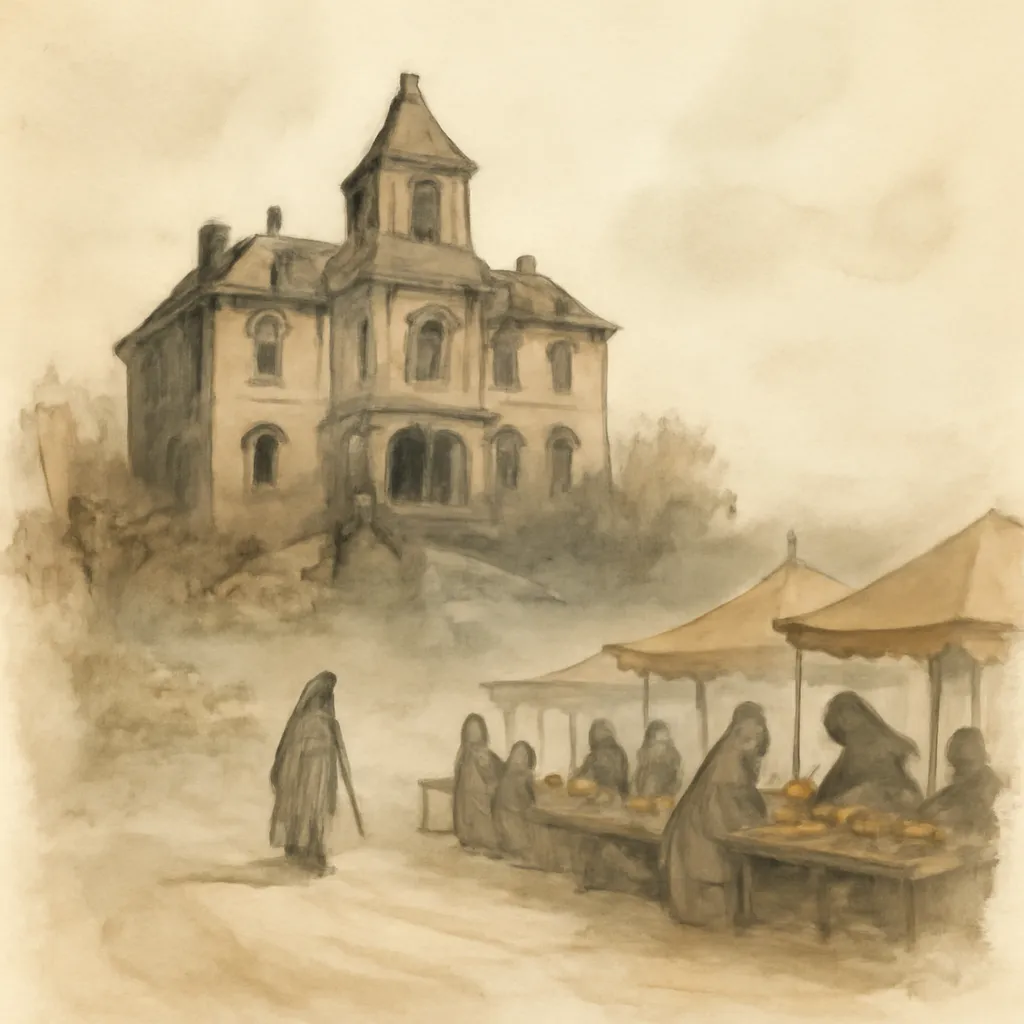
The novel vividly depicts the small-town dynamics of Hamlin County, where community ties are both a source of strength and a mechanism of control. The residents are portrayed as friendly yet nosy, with their lives intertwined through gossip and shared history. Tom, despite his size and laziness, is a beloved figure in this community, reflecting how one’s personality can endear them to others regardless of their shortcomings. However, the arrival of a mysterious stranger and his companion disrupts this equilibrium, highlighting how outsiders are often viewed with suspicion. This tension between community and isolation is a recurring theme, emphasizing the human desire for connection while also acknowledging the fear of the unknown. Burnett uses the character of Mr. Stamps to illustrate the curiosity and speculation that arise when newcomers appear, emphasizing how community dynamics can shift rapidly based on perceptions, thus raising questions about the nature of acceptance and belonging.
3.The Transformative Power of Love
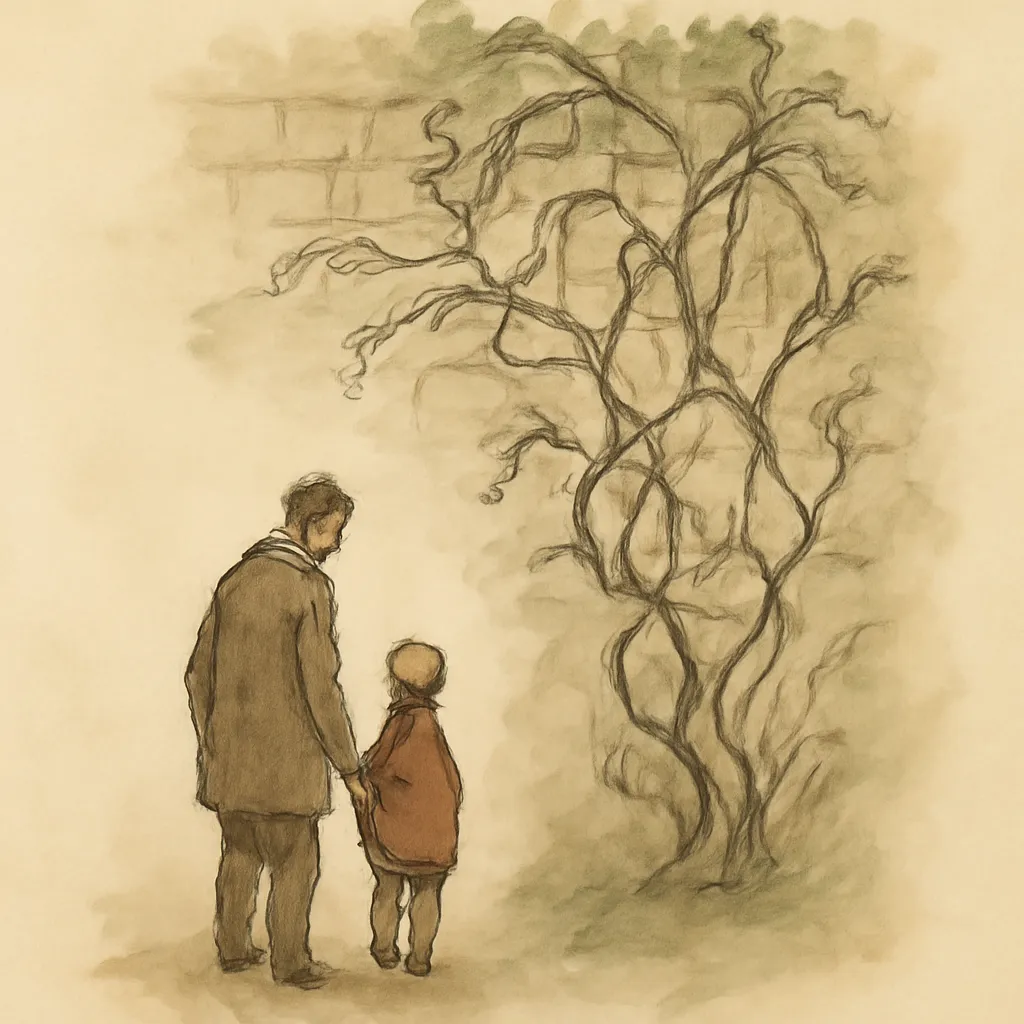
Tom's unexpected role as a guardian to an orphaned child shifts the narrative from one of mere existence to a profound exploration of love and responsibility. Initially, Tom is depicted as a man content with his lazy lifestyle, but the arrival of the child ignites a sense of purpose and affection within him. Burnett beautifully illustrates how love can act as a catalyst for personal transformation. As Tom learns to care for the child, he begins to shed the layers of his lethargy and embraces a more active role in his life and the community. This transformation is not just physical; it reflects an emotional awakening that challenges societal norms and expectations. Through tender moments shared between Tom and the child, the narrative emphasizes that love has the power to heal past wounds and ignite a sense of belonging, ultimately demonstrating that the act of nurturing can redefine one's identity and purpose.
4.Nature as a Reflection of Inner Growth
The natural landscape surrounding Hamlin County serves as a powerful backdrop that mirrors the characters’ emotional journeys. Burnett uses vivid descriptions of the changing seasons to symbolize the passage of time and the evolution of relationships. Spring, with its blooming flowers and fresh beginnings, represents Tom's initial foray into fatherhood, while the warmth of summer signifies the deepening bond between him and the child. The changing environment not only enhances the narrative’s aesthetic but also underscores themes of renewal and growth. The garden they cultivate together becomes a sanctuary, symbolizing the nurturing aspects of their relationship. This interplay between nature and personal growth highlights Burnett's belief in the restorative power of the natural world, demonstrating how the environment can parallel human experiences of joy, sorrow, and transformation.
5.Social Class and Its Implications
Social class plays a significant role in shaping the characters' interactions and perceptions within the community. The De Willoughbys, once a symbol of wealth and status, find themselves at odds with the changing landscape of their society. As Tom adopts the child, he faces scrutiny and skepticism from his peers, who question his ability to raise a child due to his lack of traditional work ethic and social standing. Burnett uses this dynamic to explore the arbitrary nature of social class, suggesting that love and care are not confined to societal expectations. Tom's journey challenges the notion that one’s worth is tied to their economic status, advocating for a more compassionate understanding of identity. This critique of social class norms urges readers to reconsider preconceived notions of worth based on material wealth, emphasizing that genuine value arises from one’s actions and relationships.
6.The Role of Women in Society
The women in 'In Connection with the De Willoughby Claim' embody a range of societal roles that reflect the complexities of gender expectations in the 19th century. Figures like Aunt Mornin and Mrs. Doty represent maternal instincts and community support, while also grappling with their own limitations within a patriarchal society. Mornin’s nurturing care for the child contrasts with the societal norms that confine women to domestic roles. Burnett subtly critiques these limitations, showcasing how women’s contributions, though often overlooked, are essential for the emotional and social fabric of the community. The narrative highlights the importance of female solidarity and resilience in the face of societal constraints, ultimately suggesting that women possess the strength and wisdom to influence change within their environments. Through these portrayals, Burnett affirms the necessity of women’s voices and their vital roles in shaping community dynamics.
7.The Intersection of Fate and Choice
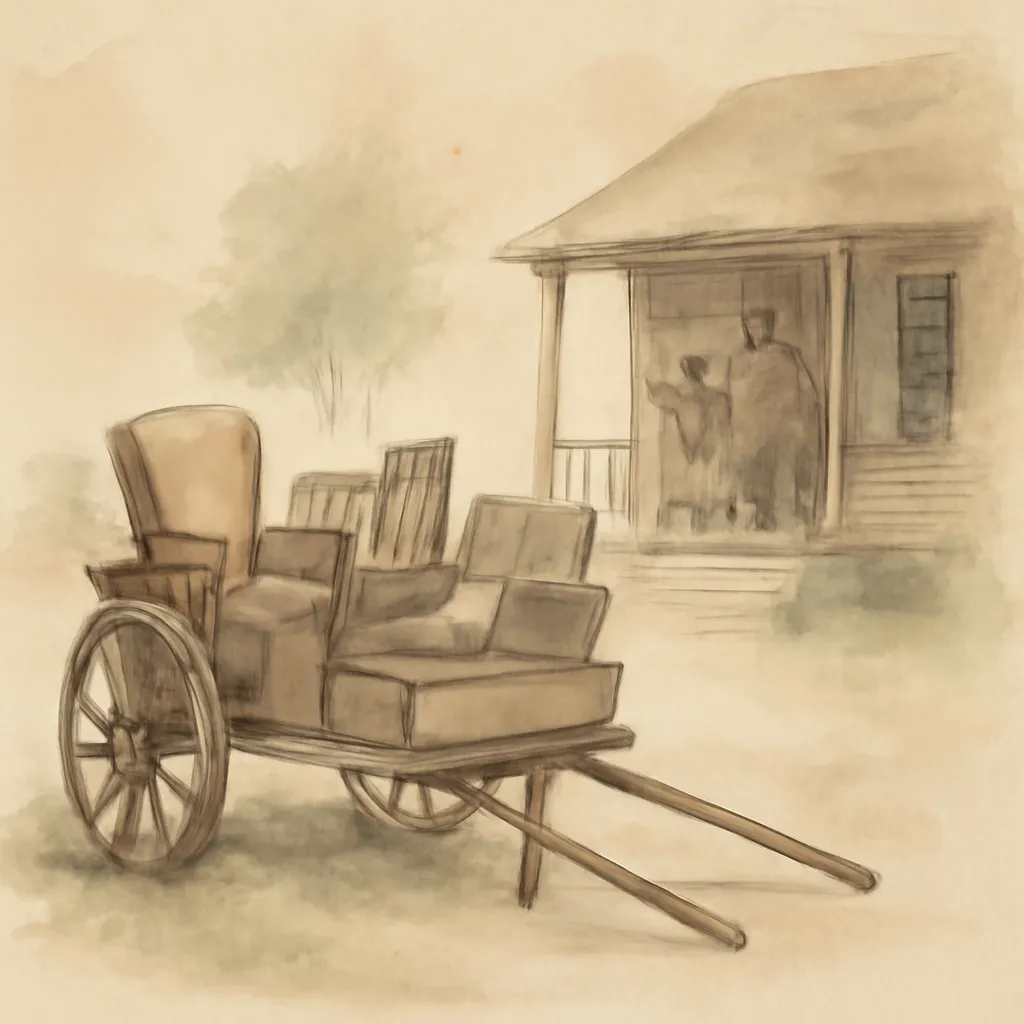
Throughout the novel, the characters grapple with the tension between fate and choice, particularly as Tom navigates his unexpected role as a guardian. The arrival of the child is portrayed as both a chance occurrence and a pivotal moment that alters the course of Tom's life. Burnett suggests that while fate may present opportunities, it is ultimately the choices we make that define our paths. Tom’s decision to embrace fatherhood leads to personal growth and a reevaluation of his life's priorities. This exploration of agency reinforces the idea that individuals have the power to shape their destinies, even when circumstances seem beyond their control. The narrative invites readers to reflect on their own lives, encouraging them to recognize the potential for transformation that lies within the choices they make amidst the uncertainties of life.
8.The Complexity of Human Relationships
Burnett crafts a rich tapestry of relationships that reflect the complexities of human emotions and connections. Tom’s relationship with the child evolves from initial awkwardness to deep affection, illustrating how love can flourish in unexpected circumstances. Similarly, the interactions between Tom and the townspeople reveal a nuanced understanding of community dynamics, where support and skepticism coexist. The arrival of the stranger and his companion further complicates these relationships, introducing themes of mystery and intrigue that challenge the status quo. Through these intricacies, Burnett captures the essence of human experience, emphasizing that relationships are often layered and multifaceted. The way characters respond to one another’s vulnerabilities showcases the profound impact of empathy and understanding in fostering connections, ultimately underscoring the interconnectedness of human lives.
9.The Significance of Place
The setting of Hamlin County is not merely a backdrop but a character in its own right, influencing the narrative's tone and themes. Burnett's detailed descriptions of the landscape—its heat, dust, and seasonal changes—reflect the characters’ emotional states and the broader societal changes occurring around them. The Cross-roads serves as a central hub where lives intersect, and the post-office becomes a symbol of community connection and gossip. This sense of place grounds the narrative, providing a vivid context for the characters' struggles and triumphs. The significance of location underscores the idea that our environments shape us, and the communities we inhabit play a crucial role in our identities. Burnett uses the setting to emphasize the characters' relationships with their surroundings, illustrating how places can evoke memories, emotions, and a sense of belonging.
10.Humor as a Tool for Reflection
Burnett employs humor throughout the narrative to navigate serious themes and provide moments of levity amidst the drama. Tom's laziness and the community’s quirky characters are often depicted with a lighthearted touch that invites readers to reflect on human nature. This humor serves as a coping mechanism for the characters, allowing them to confront their realities without becoming overwhelmed by them. Additionally, it highlights the absurdities of social expectations and the often ridiculous nature of human behavior. By weaving humor into the fabric of the story, Burnett encourages readers to find joy even in challenging circumstances, reinforcing the idea that laughter can be a source of resilience. The use of humor also allows for a deeper exploration of serious topics, making them accessible while prompting reflection on life’s complexities.