Adventure
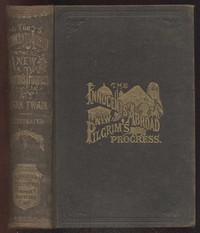
The Innocents Abroad by Mark Twain — Summary, Key Ideas & Full Text
632 pages61 chapters12h 42m read9h 1m speed read✦ 8-min Big ideas★ 3.4 (7)Free · no account
Rate it
Embark on a humorous yet profound journey through Europe and the Holy Land with Mark Twain in 'The Innocents Abroad.'
In 'The Innocents Abroad,' Mark Twain takes readers on a satirical adventure filled with wit and keen observations of the cultural contrasts between America and Europe. This travel narrative chronicles Twain's experiences aboard the Quaker City, a steamship that carries a group of American tourists on a grand excursion across the Atlantic. From the moment they set sail, Twain's sharp humor and insightful commentary reveal the absurdities of both the travelers and the foreign lands they visit. Readers will find themselves laughing at the follies of human nature as Twain explores themes of cultural misunderstanding, the quest for authenticity, and the often misguided pursuit of grandeur. This book is not only a travelogue but a reflection on the very nature of travel, identity, and the American spirit.
In 'The Innocents Abroad,' Mark Twain masterfully intertwines humor with profound insights, creating a travel narrative that resonates on multiple levels. The journey serves as both a physical exploration of foreign lands and a metaphorical journey into the complexities of human nature. Twain's observations challenge readers to reflect on their own cultural assumptions and the ways in which they navigate the world. Ultimately, the book invites a deeper understanding of travel as a means of personal growth and cultural exchange. By blending satire with heartfelt commentary, Twain crafts a timeless narrative that remains relevant for contemporary readers, encouraging them to embrace the unfamiliar and seek connections across cultural divides.
“Ah, if I had only known then that he was only a common mortal, and that his mission had nothing more overpowering about it than the collecting of seeds and uncommon yams and extraordinary cabbages and peculiar bullfrogs for that poor, useless, innocent, mildewed old fossil the Smithsonian Institute, I would have felt so much relieved.”
“But it was not. There was a tolerably fair sprinkling of young folks, and another fair sprinkling of gentlemen and ladies who were non-committal as to age, being neither actually old or absolutely young.”
“What a weird sensation it is to feel the stern of a ship sinking swiftly from under you and see the bow climbing high away among the clouds!”

Mark Twain has 10 works free to read on Lumina, including A Connecticut Yankee in King Arthur’s Court, Adventures of Huckleberry Finn, Following the Equator: A Journey Around the World