1.The Novelty of Grand Excursions
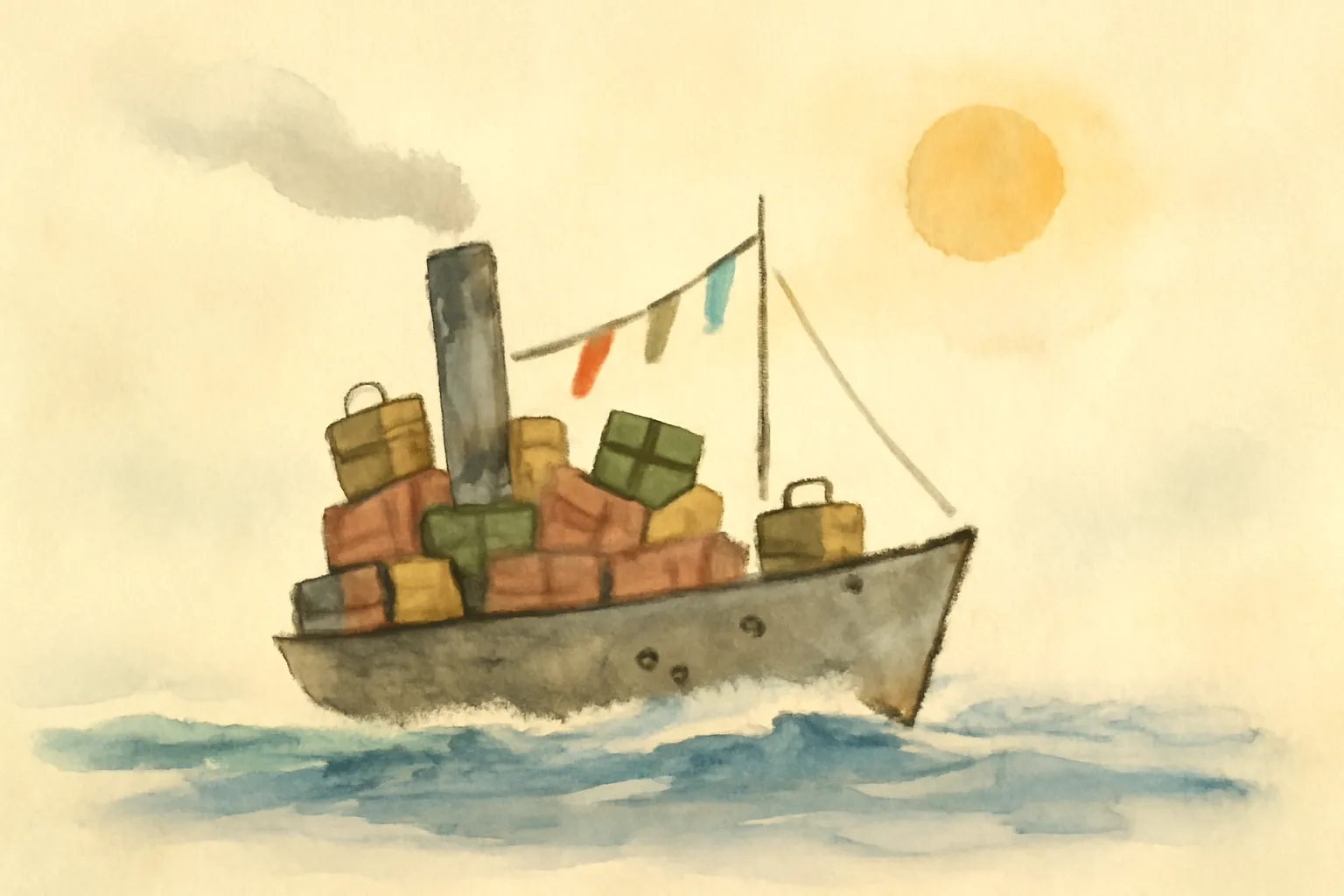
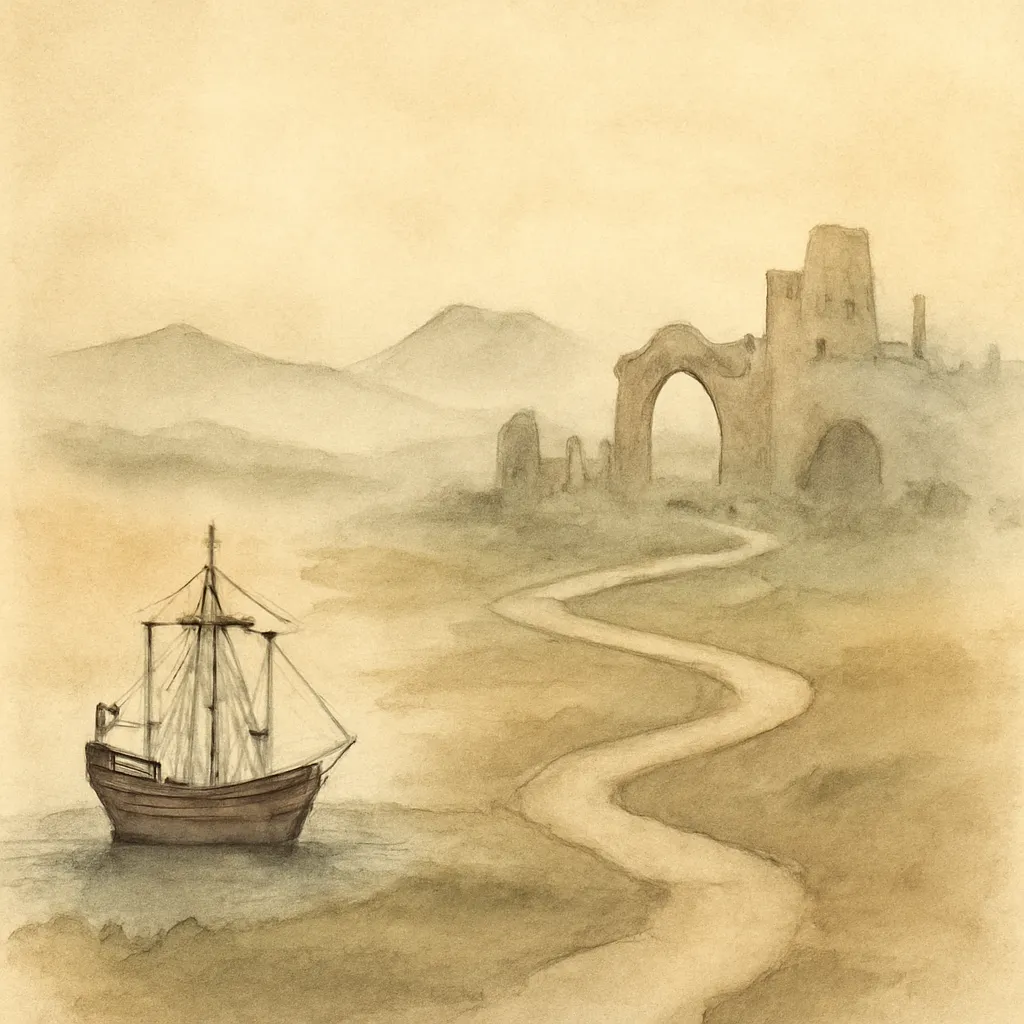
The journey begins with a bold concept: a pleasure excursion to Europe and the Holy Land that captures the imaginations of countless Americans. This excursion is not just a trip; it's a massive event, likened to a grand picnic on a colossal scale. Twain describes the anticipation surrounding the journey, highlighting the excitement of leaving behind the familiar for the allure of the exotic. The sheer novelty of the steamship and the promise of adventure create an atmosphere of exuberance among the passengers. Twain's portrayal of the excursion as a grand spectacle underscores the American spirit of adventure and the desire to experience the world beyond one's own borders.
2.The Eccentric Crew of Travelers
As the passengers board the Quaker City, Twain introduces a colorful cast of characters, including ministers, doctors, and a self-important commissioner. Each traveler brings their unique quirks and expectations, contributing to the overall comedic tension aboard the ship. Twain's humorous reflections on their personalities reveal the absurdity of social hierarchies and the pretensions of those who consider themselves elite. For instance, Twain's initial apprehension about the presence of a high-ranking official quickly turns to amusement when he learns that the man's mission is to collect seeds and peculiar vegetables for the Smithsonian Institute. This revelation serves as a critique of authority and the arbitrary nature of social status, showcasing Twain's belief that true worth is not defined by titles or positions.
3.The Trials of Sea Travel
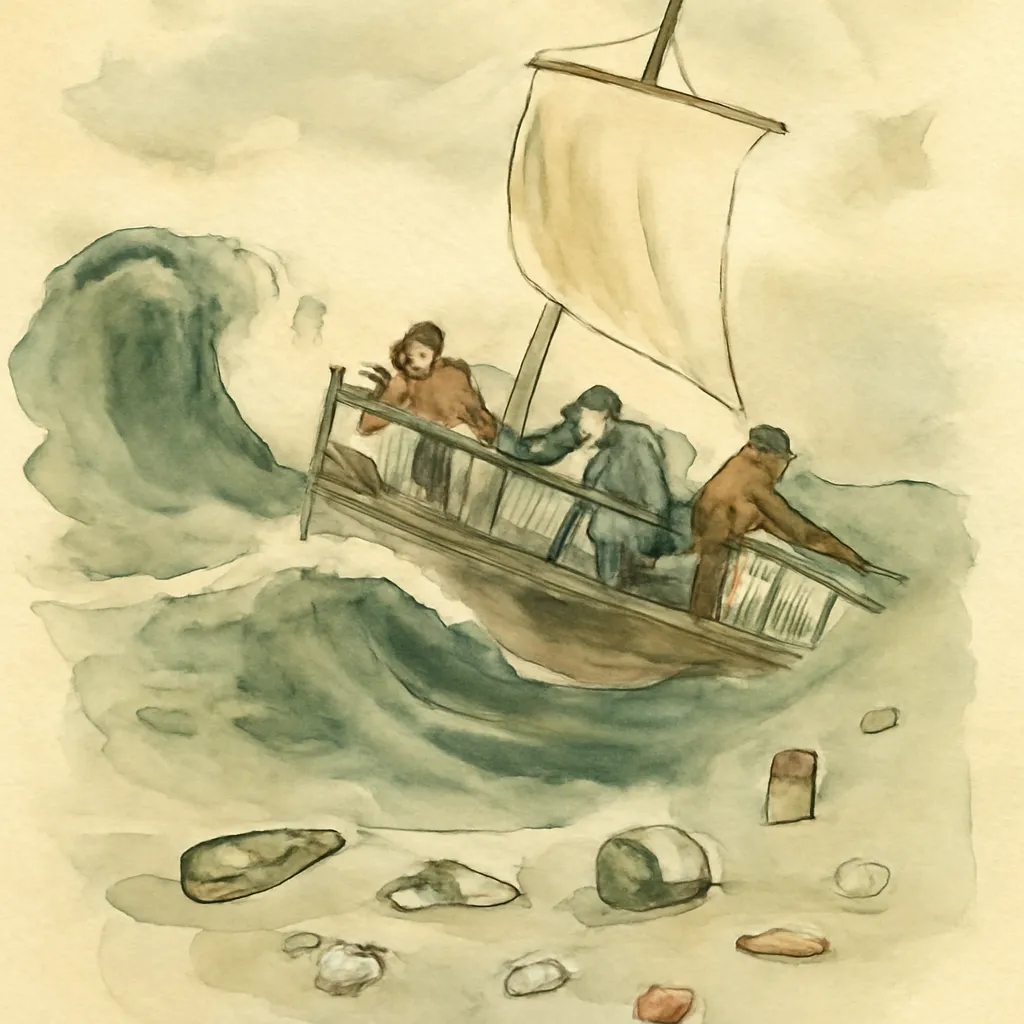
As the ship sets sail, the excitement quickly gives way to the harsh realities of sea travel. Twain captures the disarray of life at sea, where seasickness plagues many passengers and routines become monotonous. Through vivid imagery, he describes the ship's movements, likening the experience to a rollercoaster ride, with passengers clinging to railings to avoid being thrown about. This chaotic environment fosters camaraderie among the travelers, as they share in the discomfort and challenge of the journey. Twain's humorous accounts of their struggles serve to humanize the passengers, revealing their vulnerabilities and the absurdity of their expectations for a carefree voyage.
4.Cultural Clashes and Misunderstandings
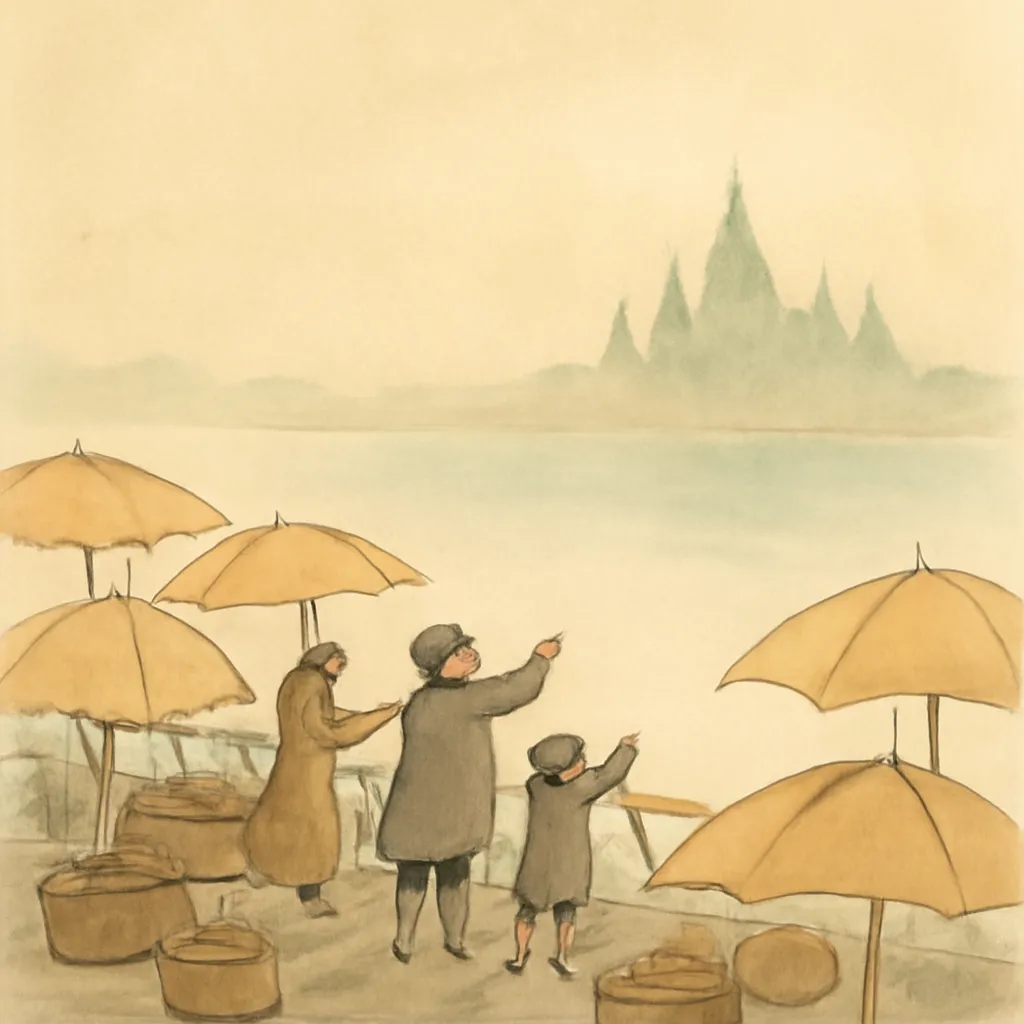
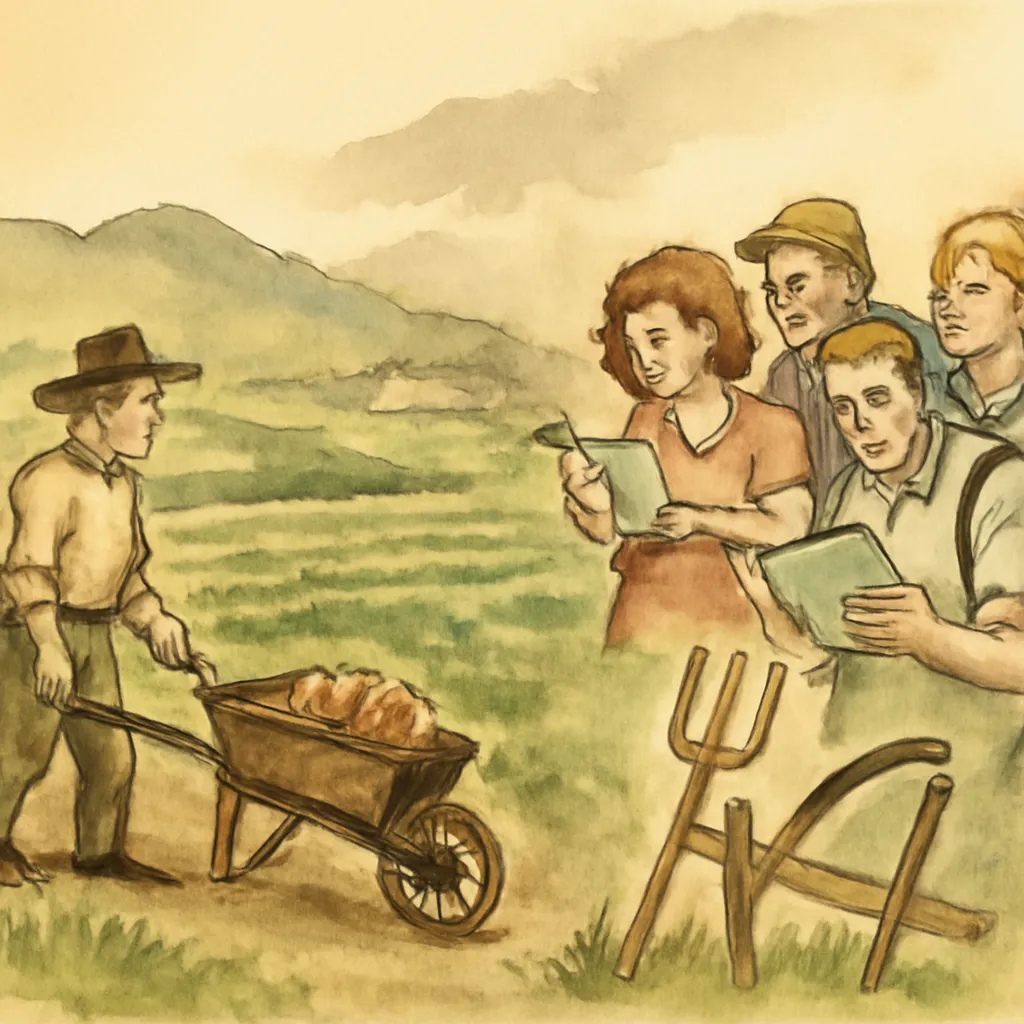
Upon reaching the Azores, Twain's observations of the local culture highlight the stark contrasts between American and Portuguese lifestyles. He describes the Azorean community as slow and traditional, with agricultural practices that seem relics of the past. Twain's astonishment at the lack of modern conveniences and the simplicity of life prompts reflections on progress and civilization. He notes that the people are content in their ways, a sentiment that challenges the reader's understanding of what constitutes a 'better' life. By juxtaposing the leisurely pace of the Azores with the frenetic energy of American life, Twain sparks a conversation about the value of simplicity versus the relentless pursuit of modernization.
5.The Allure of Tangier
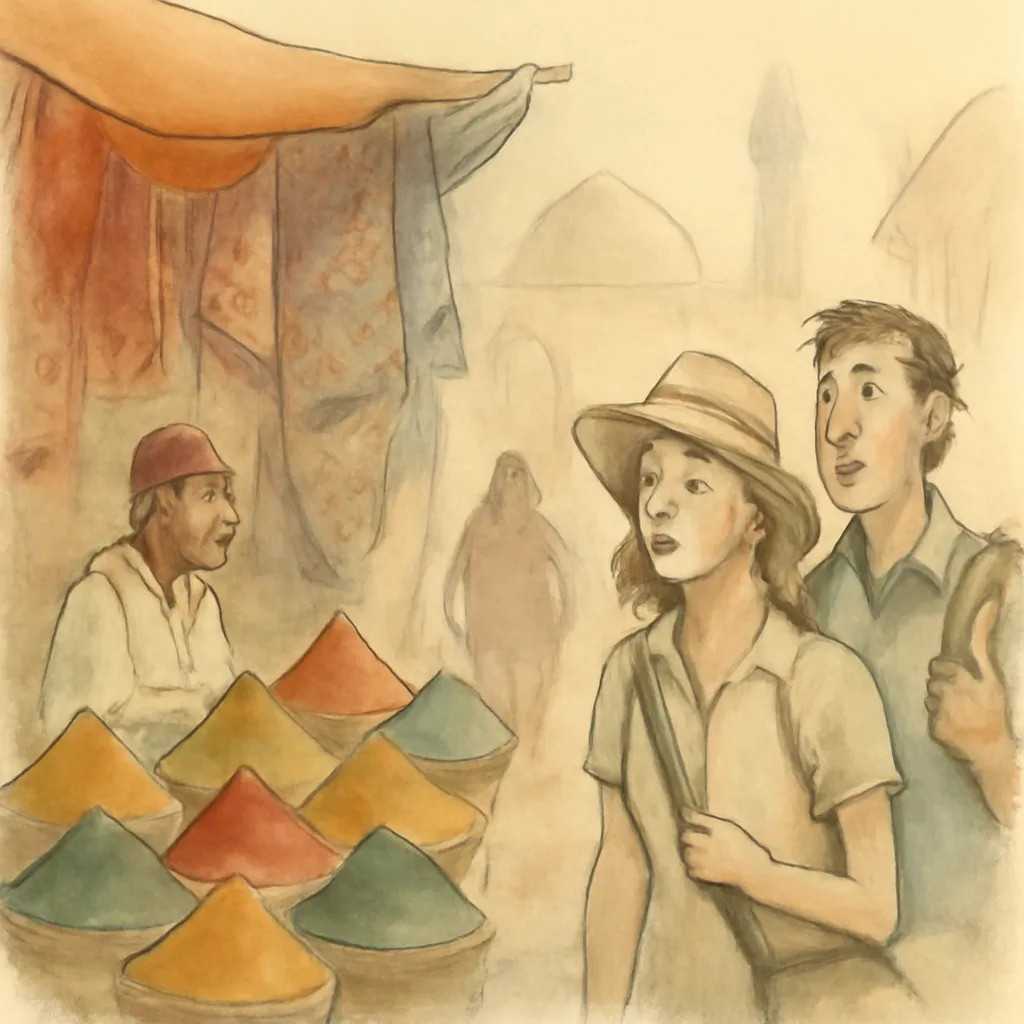
Tangier represents a turning point in the journey, as the travelers seek a truly foreign experience. Twain vividly captures the essence of this exotic city, contrasting it with the familiarities they have encountered thus far. The architecture, the people, and the culture are wholly different from anything the Americans have known, and Twain revels in the novelty of it all. His descriptions evoke the enchanting strangeness of Tangier, where the sights and sounds are unlike anything seen before. This section of the narrative illustrates the travelers' desire for authenticity and the thrill of encountering a world that defies their expectations. However, Twain's humor also underscores the naivety of their romanticized notions about foreign lands.
6.The Absurdities of Religious and Cultural Norms
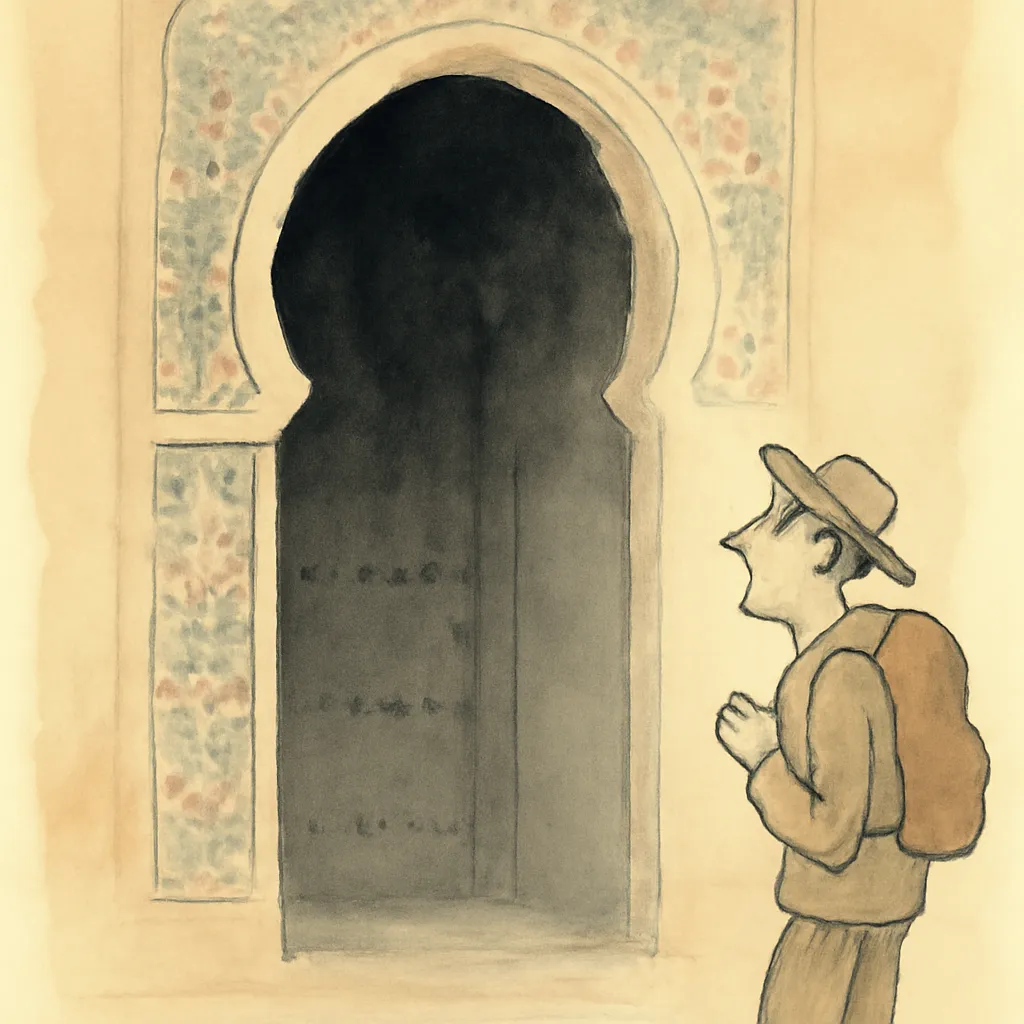
Twain's encounter with a Moorish mosque highlights the absurdities of cultural and religious taboos. A humorous incident involving a fellow traveler nearly entering the mosque illustrates the strict boundaries that exist between cultures. Twain uses this anecdote to critique the rigidity of such norms, suggesting that they often lead to misunderstandings and unnecessary conflict. The absurdity of the situation serves as a reminder that cultural practices can be both fascinating and perplexing. Twain's ability to find humor in these moments invites readers to reflect on their own cultural assumptions and the arbitrary nature of societal rules.
7.A Reflection on American Identity
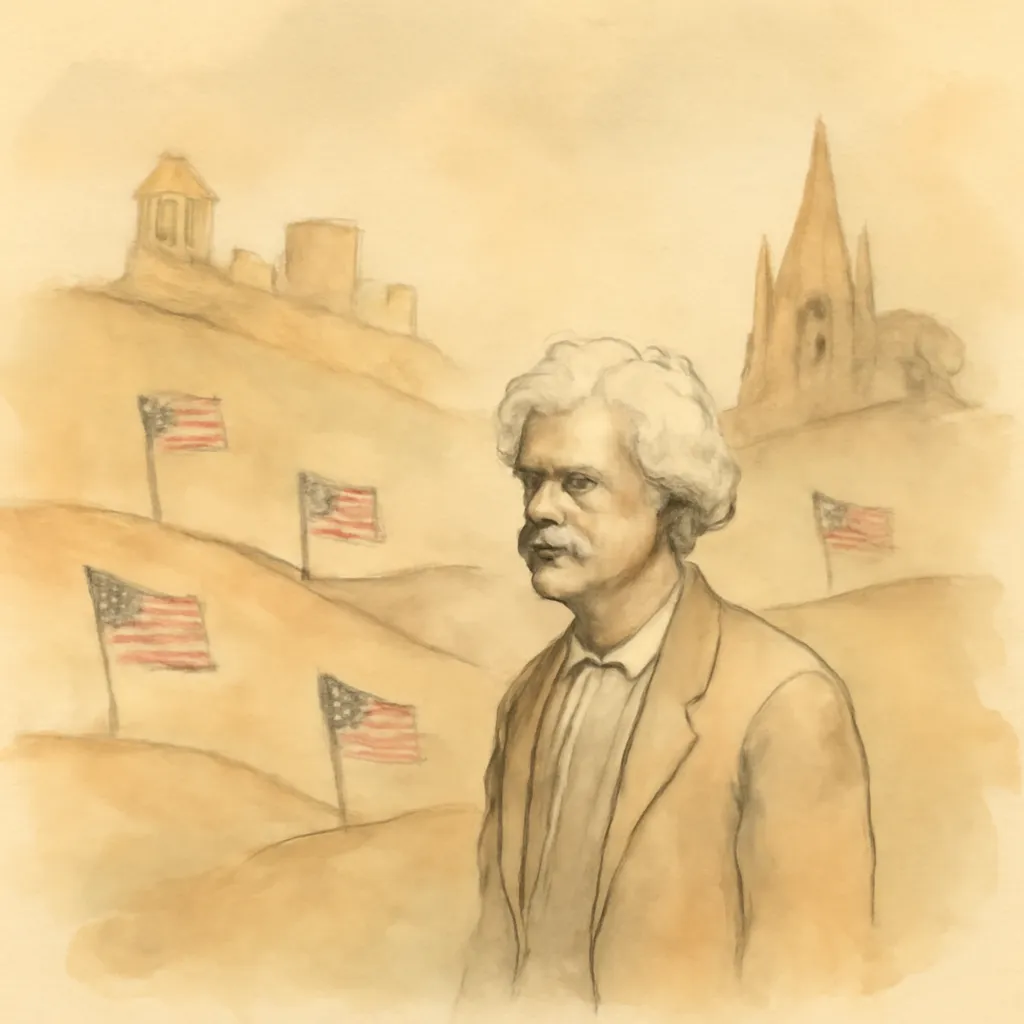
Throughout the journey, Twain grapples with the concept of American identity in contrast to the cultures they encounter. His observations often reveal a sense of pride in the American spirit, yet he also critiques the arrogance and naivety of his fellow travelers. This duality prompts readers to question what it means to be American in a world filled with diverse cultures and histories. Twain's witty commentary serves as a mirror, reflecting both the strengths and shortcomings of American character. By exploring the travelers' expectations versus the realities they face, Twain invites readers to consider the complexities of national identity and the importance of humility in the face of cultural differences.
8.The Beauty and Tragedy of Venice
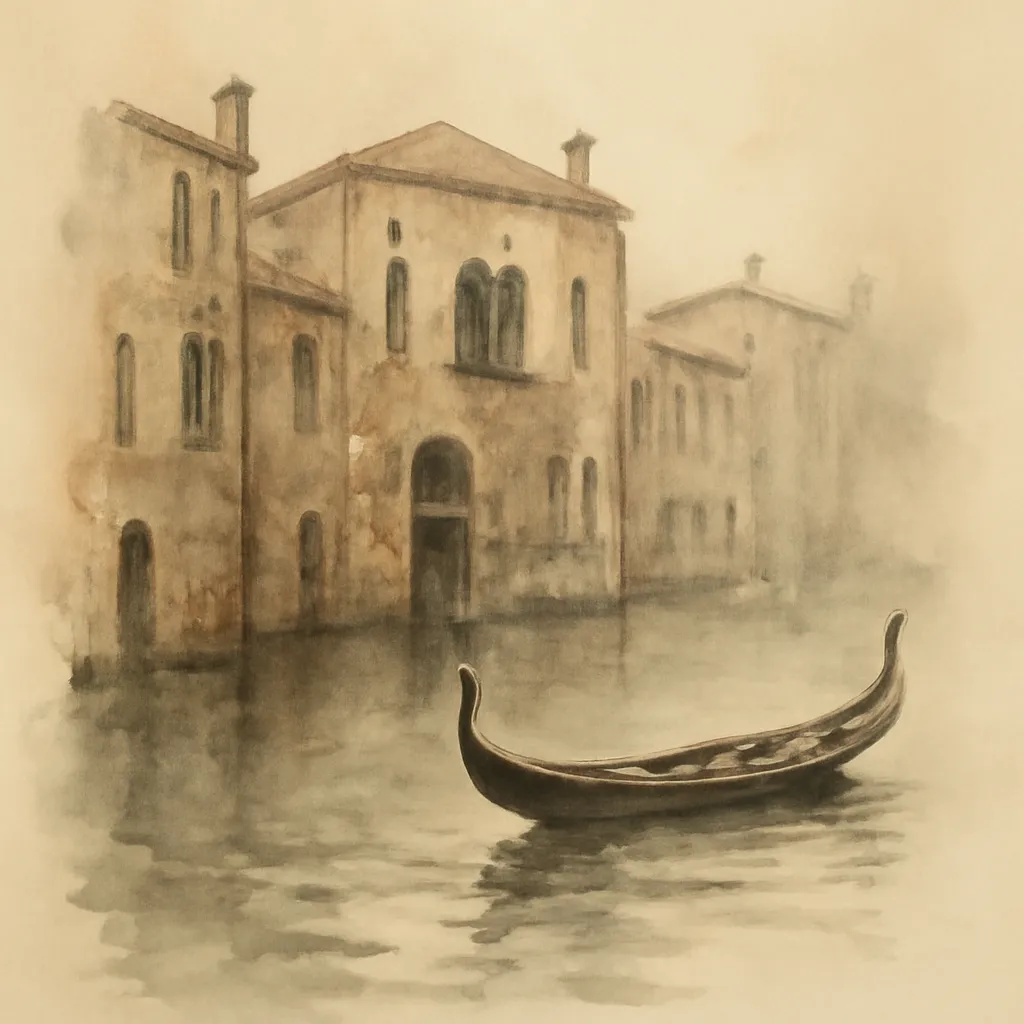
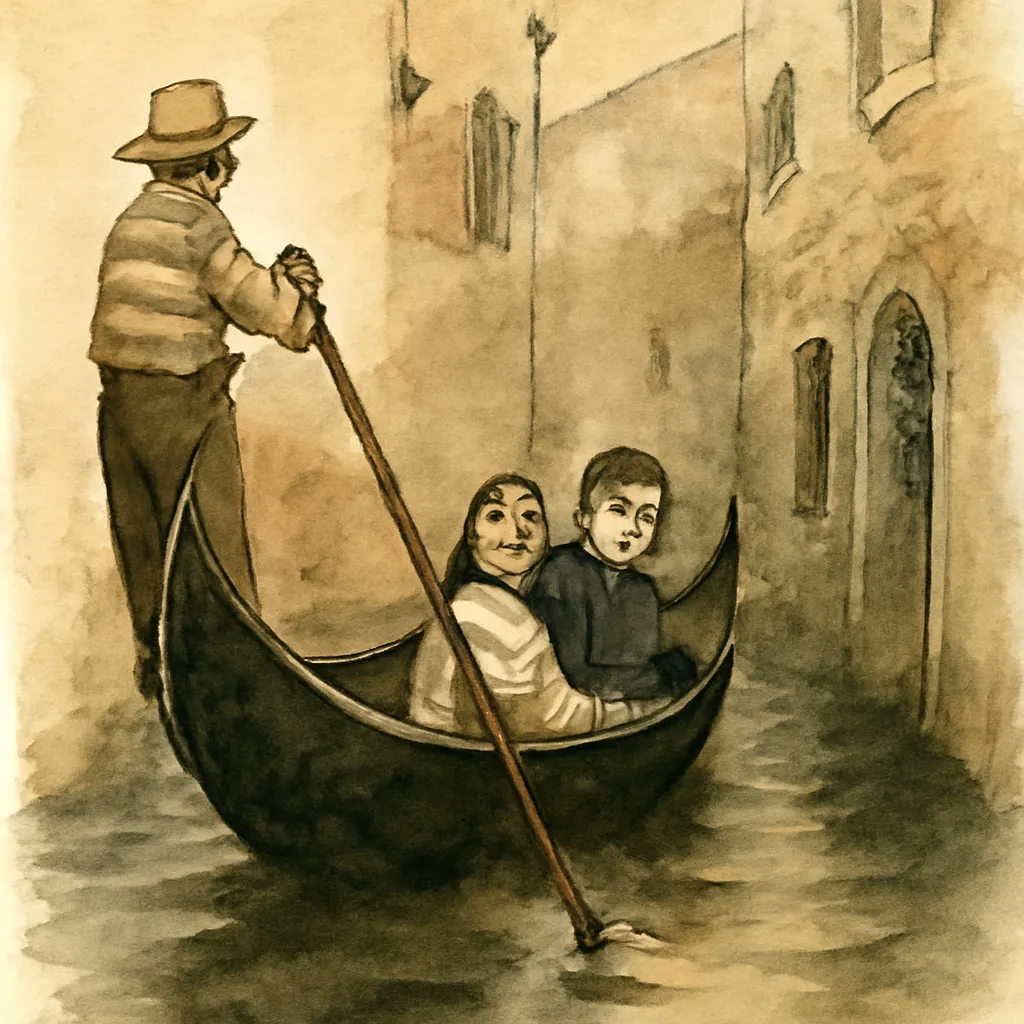
As the journey progresses to Venice, Twain's portrayal of the city as a once-magnificent republic now in decline evokes a sense of nostalgia and melancholy. He describes the beauty of its architecture and canals, contrasting them with the poverty and neglect that have overtaken the city. This juxtaposition serves as a poignant commentary on the passage of time and the impermanence of glory. Twain's reflections on Venice resonate with broader themes of decline and resilience, reminding readers that even the most splendid civilizations can fade away. His vivid imagery captures the haunting beauty of the city, inviting readers to appreciate its history while acknowledging its current state of despair.
9.The Irony of Cultural Romanticism
As the travelers indulge in the romanticized notions of European culture, Twain exposes the irony of their experiences. The very places they idealize often fall short of their expectations, revealing the gap between fantasy and reality. For instance, the gondola rides in Venice, once thought to be the epitome of romance, become a source of discomfort and frustration for the travelers. Twain's humor shines through as he captures the absurdity of their romantic ideals clashing with the mundane realities of travel. This irony serves as a reminder that the allure of foreign cultures can often be deceptive, prompting readers to question their own romanticized views of the world.
10.A Journey Beyond Geography
Ultimately, 'The Innocents Abroad' transcends mere travel narrative; it becomes a philosophical exploration of human nature and the desire for connection. Twain's wit and humor allow him to delve into deeper themes of identity, cultural understanding, and the pursuit of meaning in a rapidly changing world. The journey is not just about visiting new places but also about confronting one's own beliefs and biases. As the travelers navigate the complexities of foreign cultures, they also grapple with their own identities and the ways in which they relate to the world around them. Twain's reflections invite readers to embark on their own journeys of self-discovery, encouraging them to embrace the unfamiliar and seek understanding in the face of difference.