Fiction
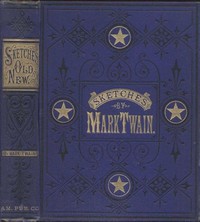
Sketches New and Old by Mark Twain — Summary, Key Ideas & Full Text
311 pages12 chapters6h 15m read4h 26m speed read✦ 9-min Big ideas★ 4.5 (2)Free · no account
Rate it
Mark Twain's 'Sketches New and Old' offers a delightful exploration of human nature through humor, satire, and poignant storytelling
In 'Sketches New and Old,' Mark Twain captivates readers with a collection of essays and stories that range from humorous observations to heartfelt reflections. This compilation showcases Twain's sharp wit and keen insight into the complexities of life, morality, and society. Through various narratives, Twain addresses themes of childhood innocence, the absurdities of adulthood, and the quirks of human behavior, all while employing his signature humor. Readers can expect to encounter a rich tapestry of characters and situations that reveal the follies and foibles of humanity, making it not just an entertaining read, but also a profound commentary on the human condition. Twain's ability to blend humor with serious reflections makes this collection a timeless classic that resonates with audiences across generations.
Mark Twain's 'Sketches New and Old' is a rich tapestry of humor, social commentary, and poignant reflections on the human experience. Through his sharp wit and keen insights, Twain invites readers to navigate the complexities of life, morality, and society with a critical eye. The themes explored in these sketches—such as the absurdities of human behavior, the contradictions of morality, and the unpredictability of life—remain relevant today, making Twain's work a timeless exploration of the human condition. As readers engage with Twain's narratives, they are not only entertained but also encouraged to reflect on their own lives and the world around them, solidifying Twain's legacy as one of America's greatest literary figures.
“I have scattered through this volume a mass of matter which has never been in print before...”
“I grieved about it as if it were a recognized messenger and forerunner of calamity.”
“Oh, what is to become of me! I am lost, lost, lost! I shall go mad!”
Mark Twain has 10 works free to read on Lumina, including A Connecticut Yankee in King Arthur’s Court, Adventures of Huckleberry Finn, Following the Equator: A Journey Around the World