1.The Satirical Lens on Society
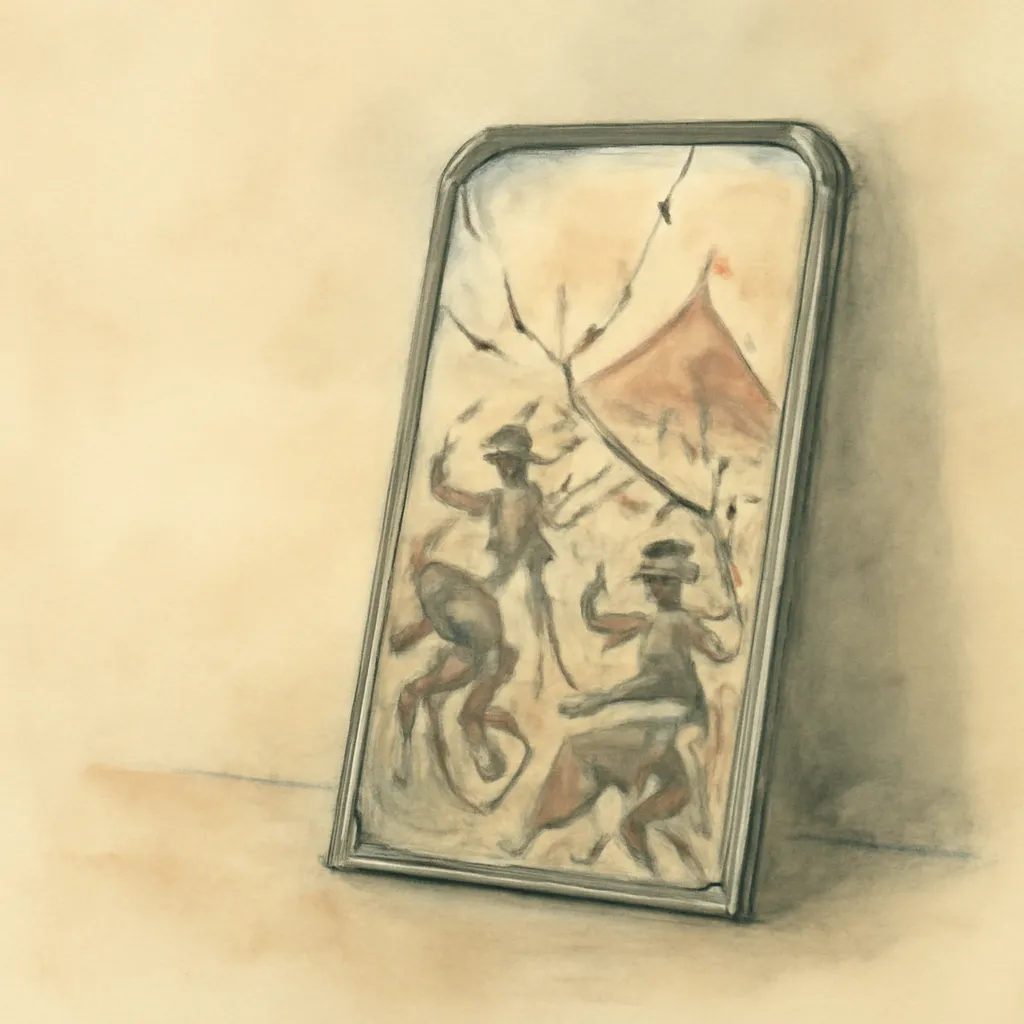
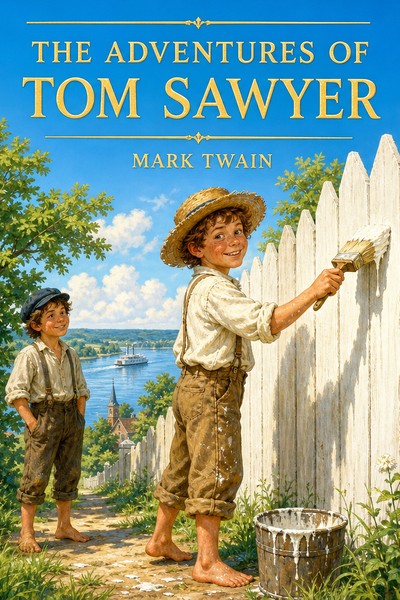
Twain's sketches serve as a mirror reflecting the absurdities of society. He adeptly critiques various social norms and institutions, such as politics and education, using humor as his primary weapon. For instance, in 'The Facts Concerning the Recent Resignation,' he lampoons the political climate of his time, revealing the often ridiculous nature of political maneuvering. Twain’s sharp observations highlight how societal expectations can lead individuals to act in absurd ways, showcasing the tension between personal integrity and public persona. This satirical lens invites readers to consider their own societal roles and the often ludicrous nature of conformity. He illustrates this through characters who find themselves ensnared in the webs of societal expectations, often leading to humorous, yet poignant, outcomes.
2.Childhood Innocence and Morality
In several stories, Twain delves into the themes of childhood and morality, contrasting the innocence of youth with the complexities of adult life. 'The Story of the Bad Little Boy' and 'The Story of the Good Little Boy' serve as prime examples of this exploration. Twain presents two boys whose behaviors are judged by societal standards, yet he complicates the notion of morality by suggesting that the 'good' boy suffers for his adherence to rules while the 'bad' boy seemingly thrives. This juxtaposition challenges readers to think critically about traditional moral narratives and the inherent contradictions within them. Twain's reflections on childhood innocence reveal a deep understanding of the moral landscape that shapes human behavior, suggesting that societal definitions of good and bad are often flawed and superficial. He invites readers to remember their own childhood experiences and to reflect on how these experiences inform their adult moral compass.
3.The Absurdities of Journalism
Twain's experiences with journalism provide a rich ground for humor and critique. In 'How I Edited an Agricultural Paper,' he recounts the absurdities of newspaper life, highlighting the often ridiculous lengths to which journalists go to fill pages. His tongue-in-cheek narrative reveals the pressures of sensationalism and the sometimes questionable ethics in reporting. This sketch not only entertains but also invites readers to reflect on the credibility of media and the importance of discernment in consuming news. Twain’s comedic take on journalism underscores the tension between truth and entertainment, a theme that remains relevant in today’s media landscape. He demonstrates how the demands of journalism can lead to the commodification of truth, where the lines between fact and fiction become dangerously blurred.
4.The Complexity of Human Relationships
Twain's sketches often highlight the intricacies of human relationships, particularly in the context of love and friendship. In 'A Fashion Item,' he humorously critiques social conventions surrounding romance and attraction, portraying the often farcical nature of courtship. Through his characters, Twain explores the misunderstandings and miscommunications that can arise in relationships, revealing the vulnerability of human emotions. This exploration of love is not merely romantic; it also encompasses friendships and familial bonds, emphasizing the universal quest for connection. Twain’s insights into relationships resonate deeply, reminding readers of the humor and heartache inherent in human interactions. By showcasing the idiosyncrasies of his characters, he invites readers to reflect on their own relationships and the often comical nature of human connection.
5.Nature as a Character
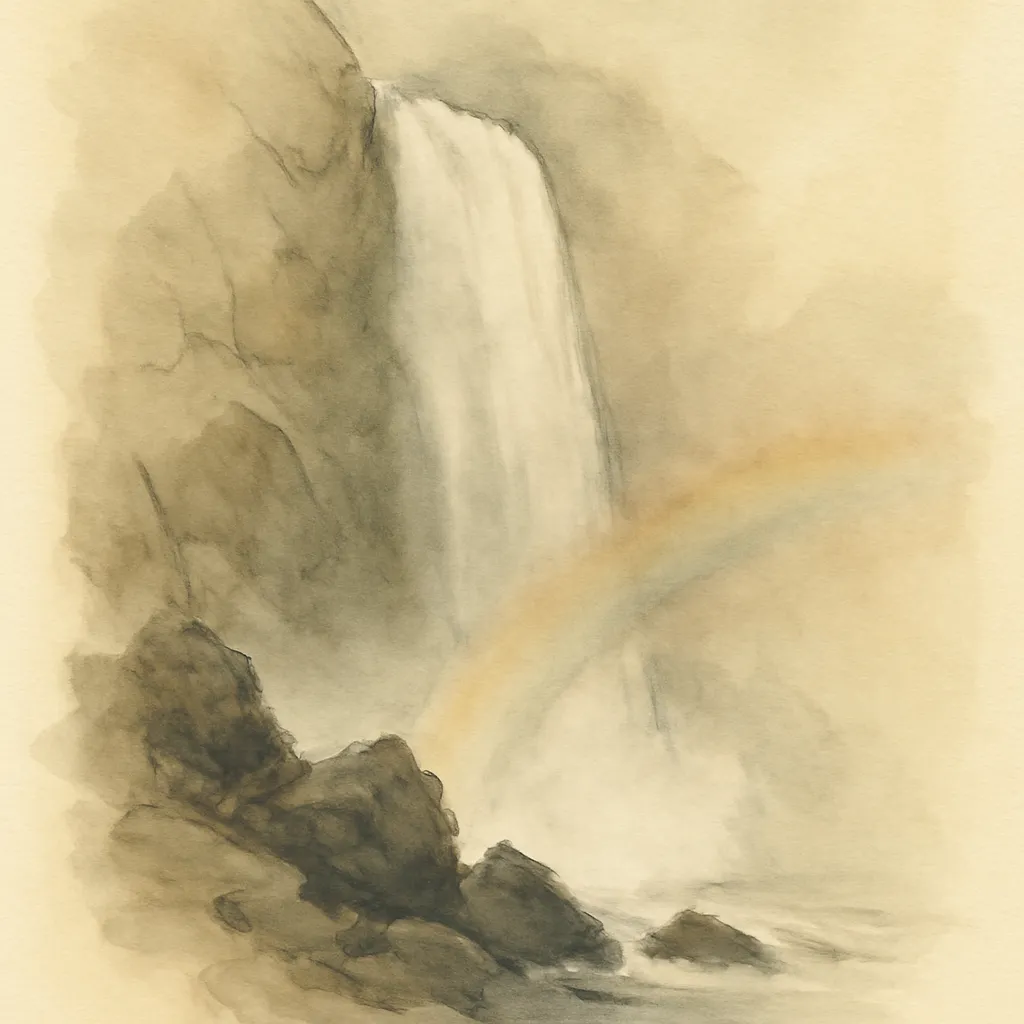
In Twain’s writing, nature often takes on a character-like role, influencing the narrative and reflecting the emotions of the characters. In 'Niagara,' Twain captures the awe and terror of the falls, using vivid imagery to convey the sublime beauty of nature. His descriptions serve not only to paint a picture but also to evoke a sense of wonder and respect for the natural world. This relationship between humanity and nature invites readers to consider their own place within the environment, emphasizing the interconnectedness of all life. Twain's ability to personify nature adds depth to his narratives, enriching the reader's experience. He suggests that nature is not merely a backdrop for human activity, but an active participant in the drama of life, shaping experiences and emotions in profound ways.
6.The Irony of Luck and Chance
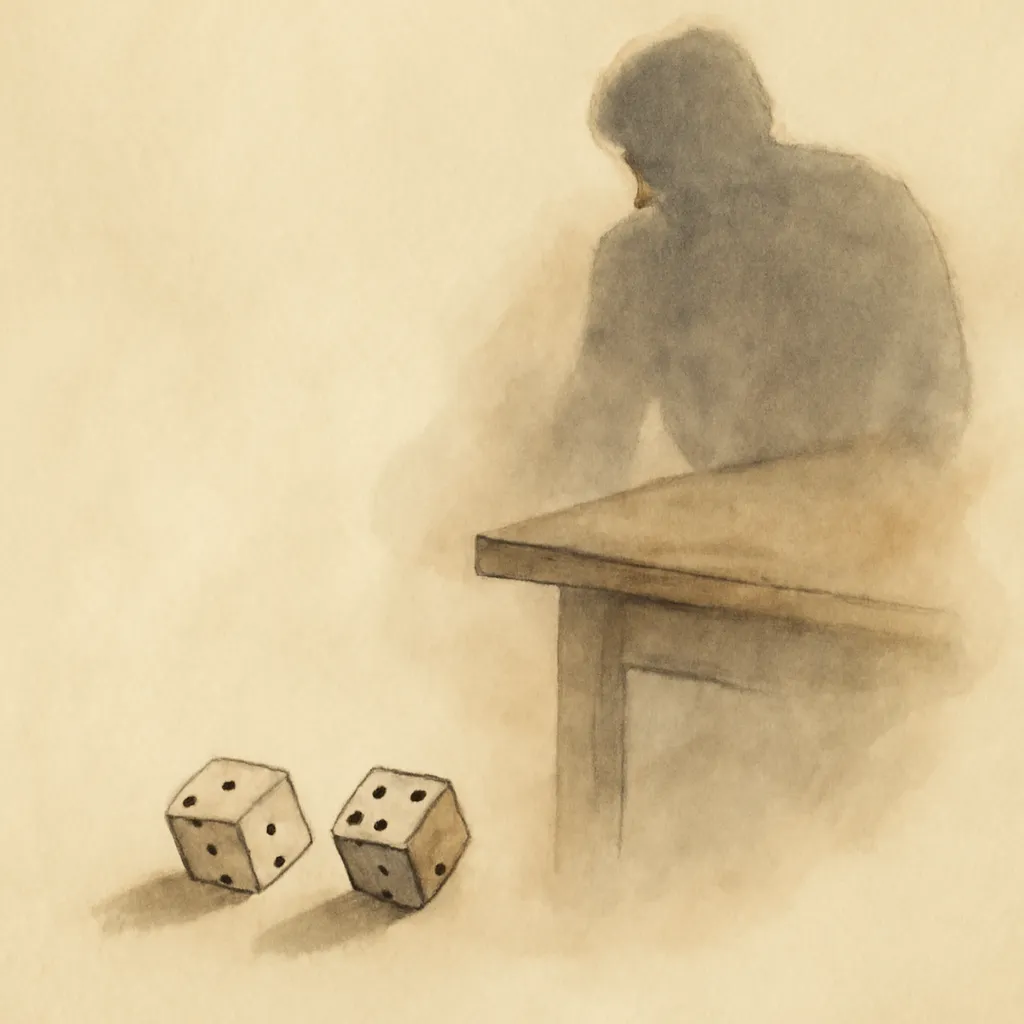
Twain frequently employs irony to explore the themes of luck and chance in life. In 'Science vs. Luck,' he contrasts the deterministic view of science with the unpredictable nature of luck, ultimately suggesting that life’s outcomes often hinge on chance rather than merit. This exploration of luck resonates with readers, as it reflects the unpredictability of life’s journey. Twain's humorous anecdotes illustrate how individuals often attribute their successes or failures to luck, rather than recognizing the role of hard work or preparation. This ironic take on luck encourages readers to embrace uncertainty and find humor in the unpredictability of life. By weaving personal anecdotes and broader societal observations, Twain highlights the folly in depending solely on luck, urging readers to recognize the balance between effort and chance.
7.The Dichotomy of Appearance vs. Reality
Twain’s sketches often highlight the gap between appearance and reality, revealing the deceptive nature of first impressions. In 'The Late Benjamin Franklin,' he humorously recounts the public's perception of Franklin as a paragon of virtue, contrasting it with the more complex reality of his character. This exploration of duality prompts readers to question their own assumptions about others and the world around them. Twain’s keen observations serve as a reminder that what is seen on the surface may not accurately reflect the underlying truth, encouraging a deeper understanding of human nature and societal constructs. He illustrates that beneath the polished façades that people display, there often lies a complicated mix of motives and experiences that shape behavior. This exploration challenges readers to look beyond superficial assessments and to engage with the deeper complexities of those they encounter.
8.Humor as a Tool for Social Commentary
Humor is a central mechanism in Twain's work, serving not only to entertain but also to provoke thought and critique societal norms. In 'My Bloody Massacre,' he employs dark humor to address the absurdity of violence and conflict, using irony to highlight the often senseless nature of human aggression. This ability to weave humor into serious topics allows Twain to engage readers in a way that is both accessible and thought-provoking. By presenting difficult subjects through a comedic lens, Twain invites readers to reflect on societal issues while also finding levity in the absurdities of life. This duality of humor and critique is a hallmark of Twain's genius, allowing him to tackle complex themes like morality, justice, and human behavior without losing the reader’s interest or engagement.
9.The Role of the Outsider
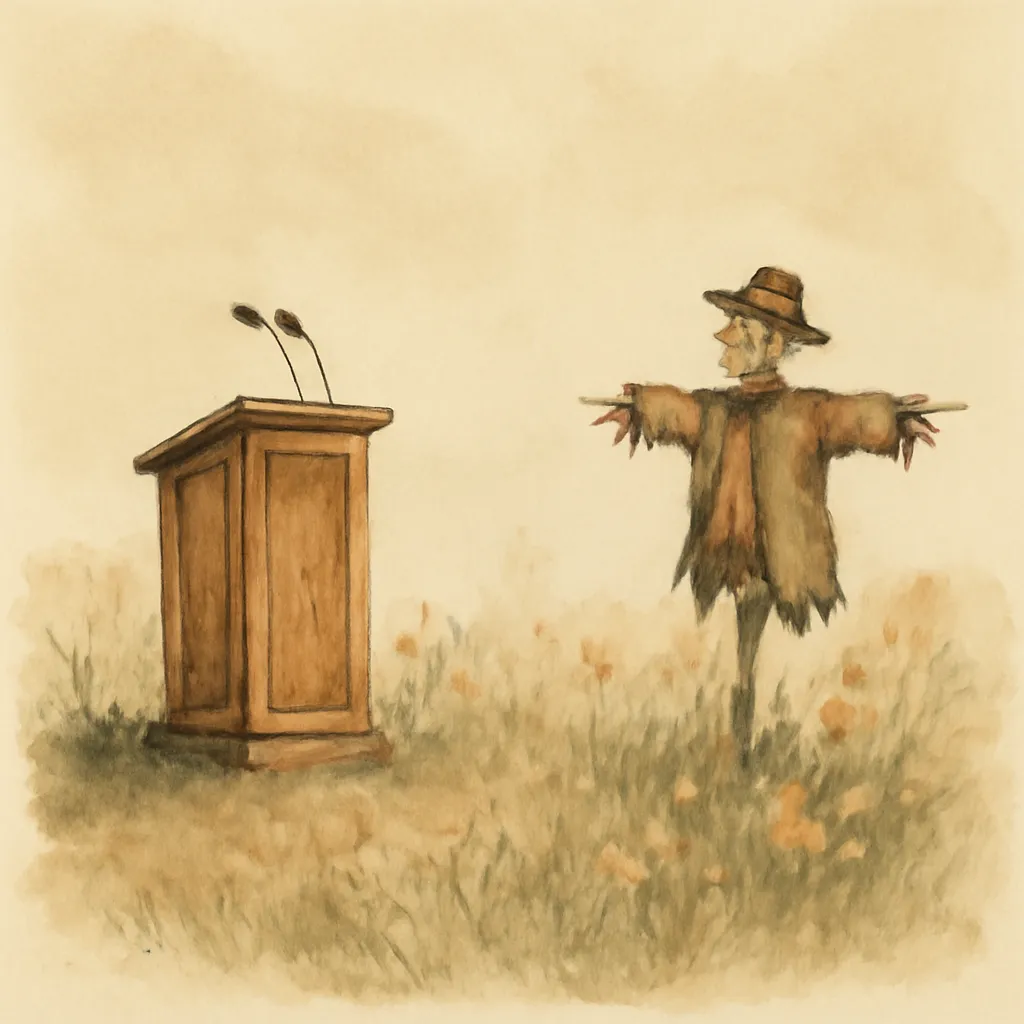
Several of Twain's sketches feature characters who exist on the fringes of society, providing a unique perspective on the world. In 'Running for Governor,' he presents the character of a political outsider who navigates the absurdities of the electoral process. This outsider perspective allows Twain to critique societal norms and question the status quo, inviting readers to consider alternative viewpoints. The experiences of these characters often reflect Twain's own feelings of alienation and his skepticism toward authority. By giving voice to the outsider, Twain emphasizes the importance of diverse perspectives in understanding the complexities of society. This exploration of the outsider experience resonates with readers, encouraging empathy and understanding for those who challenge societal norms.
10.The Enduring Legacy of Twain's Humor
Twain's humor transcends time, resonating with readers today just as it did in his own era. His ability to capture the human experience through wit and satire ensures that his work remains relevant and relatable. In 'A Curious Dream,' for instance, he explores the absurdity of dreams and the subconscious, using humor to delve into deeper philosophical questions about existence. This timeless quality of Twain's humor speaks to the universal truths he uncovers about life, love, and human nature. As readers engage with Twain's work, they are not only entertained but also invited to reflect on their own experiences and the absurdities of life. His humor serves as a bridge connecting generations, allowing each new audience to find meaning and insight within the laughter.