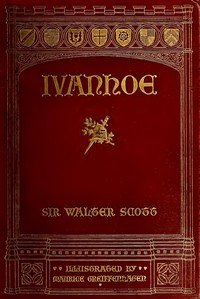

Knights, tournaments, and intrigue in medieval England — chivalry, honor, and a sweeping historical romance.
Read full overviewShow less›
Set against the backdrop of 12th-century England, 'Ivanhoe' presents a vivid tapestry of chivalry, conflict, and romance. This historical novel explores the tensions between Saxons and Normans during a time of political upheaval and personal vendettas. Through the journey of its titular character, Wilfred of Ivanhoe, readers are immersed in a saga that intertwines themes of loyalty, identity, and the quest for justice. The narrative is not just a tale of knights and tournaments; it delves into the complexities of human relationships and societal expectations, making it a timeless exploration of love, courage, and the struggle for honor in a divided land.
Walter Scott's 'Ivanhoe' is a rich exploration of themes that resonate deeply with readers, making it a timeless classic. The novel's intricate portrayal of cultural conflict, honor, and the human spirit invites readers to reflect on their own values and beliefs. As characters navigate the complexities of love, loyalty, and justice, the story challenges us to consider the impact of societal structures on personal lives. Ultimately, 'Ivanhoe' encourages a deeper understanding of history and humanity, reminding us that the struggle for justice and identity is as relevant today as it was in the 12th century.
- 1The Clash of Cultures
- 2Chivalry and Honor
- 3The Role of Women
- 4The Jewish Experience
- 5Identity and Disinheritance
A glimpse inside

At the heart of 'Ivanhoe' is the profound conflict between the Saxons and the Normans, representing a broader theme of cultural clash. Read moreAt the heart of 'Ivanhoe' is the profound conflict between the Saxons and the Normans, representing a broader theme of cultural clash. The Normans, having conquered England, impose their rule and customs upon the Saxons, who are depicted as the oppressed but noble class. This tension is exemplified through characters like Cedric the Saxon, who embodies the pride and resilience of the Saxon people, and Prince John, who represents the tyranny of Norman rule. The novel illustrates how this political backdrop influences personal relationships, such as the love story between Ivanhoe and Rowena, a Saxon heiress. The struggle for identity and recognition is palpable, as characters navigate their loyalties amidst the larger societal upheaval. Show less
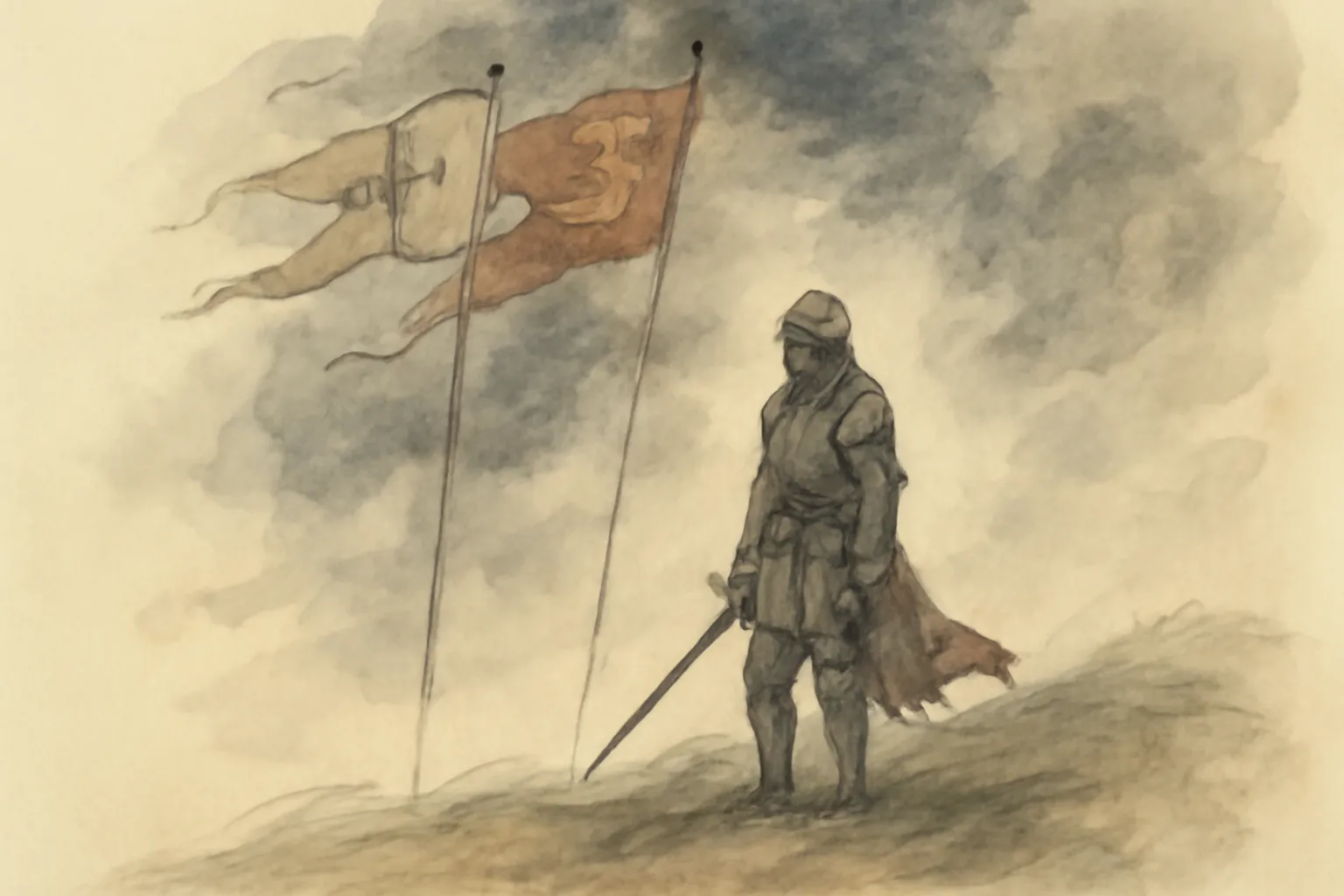
Chivalry serves as a central theme in 'Ivanhoe,' acting as both a code of conduct and a source of conflict. Knights are portrayed as noble warriors bound by honor, yet th… Read moreChivalry serves as a central theme in 'Ivanhoe,' acting as both a code of conduct and a source of conflict. Knights are portrayed as noble warriors bound by honor, yet the practice of chivalry is often tested by personal ambition and betrayal. Ivanhoe, as the embodiment of the chivalric ideal, fights not only for his own honor but also for the principles of justice and fairness. The tournament scenes vividly illustrate the spectacle of chivalry, showcasing knights in combat while also revealing the underlying motivations that drive them—be it love, glory, or vengeance. The contrast between true chivalry and the self-serving actions of characters like Prince John and De Bracy highlights the complexity of honor in a corrupt society. Show less
Read the full text — free
About the author
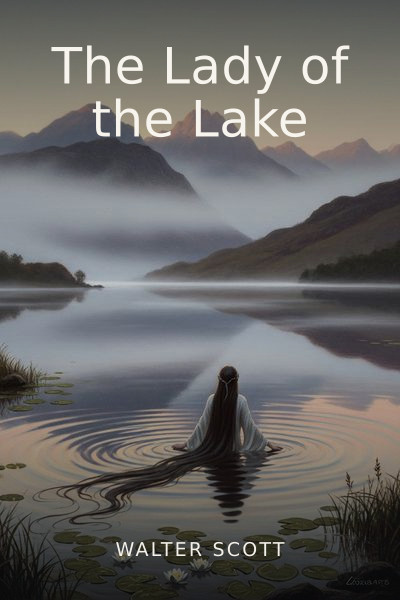
Walter Scott has 2 works free to read on Lumina, including The Lady of the Lake.
All 2 books by Walter Scott →Frequently asked
Worlds to get lost in
Take Lumina everywhere
Read offline, listen to AI summaries, speed-read, and sync your progress across devices — free on iPhone.
Download for iPhone