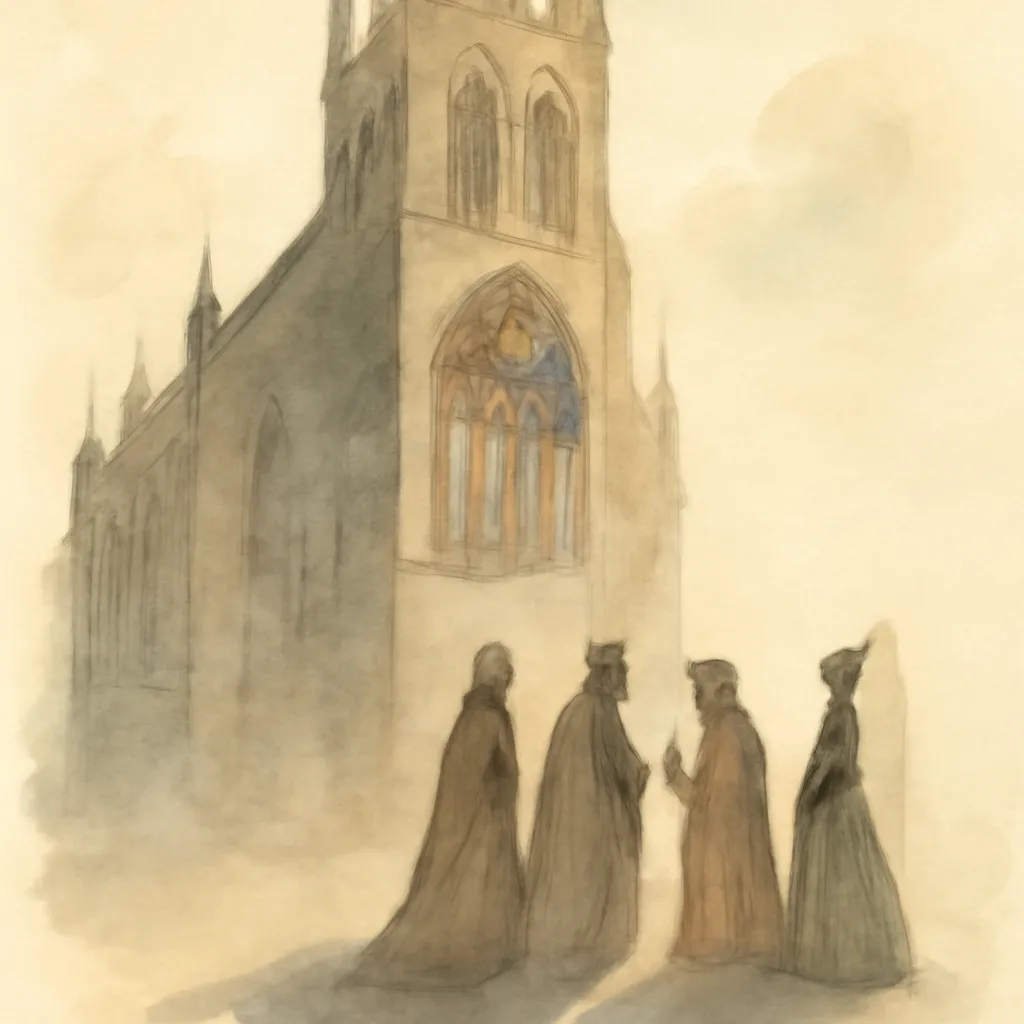
1.The Clash of Cultures
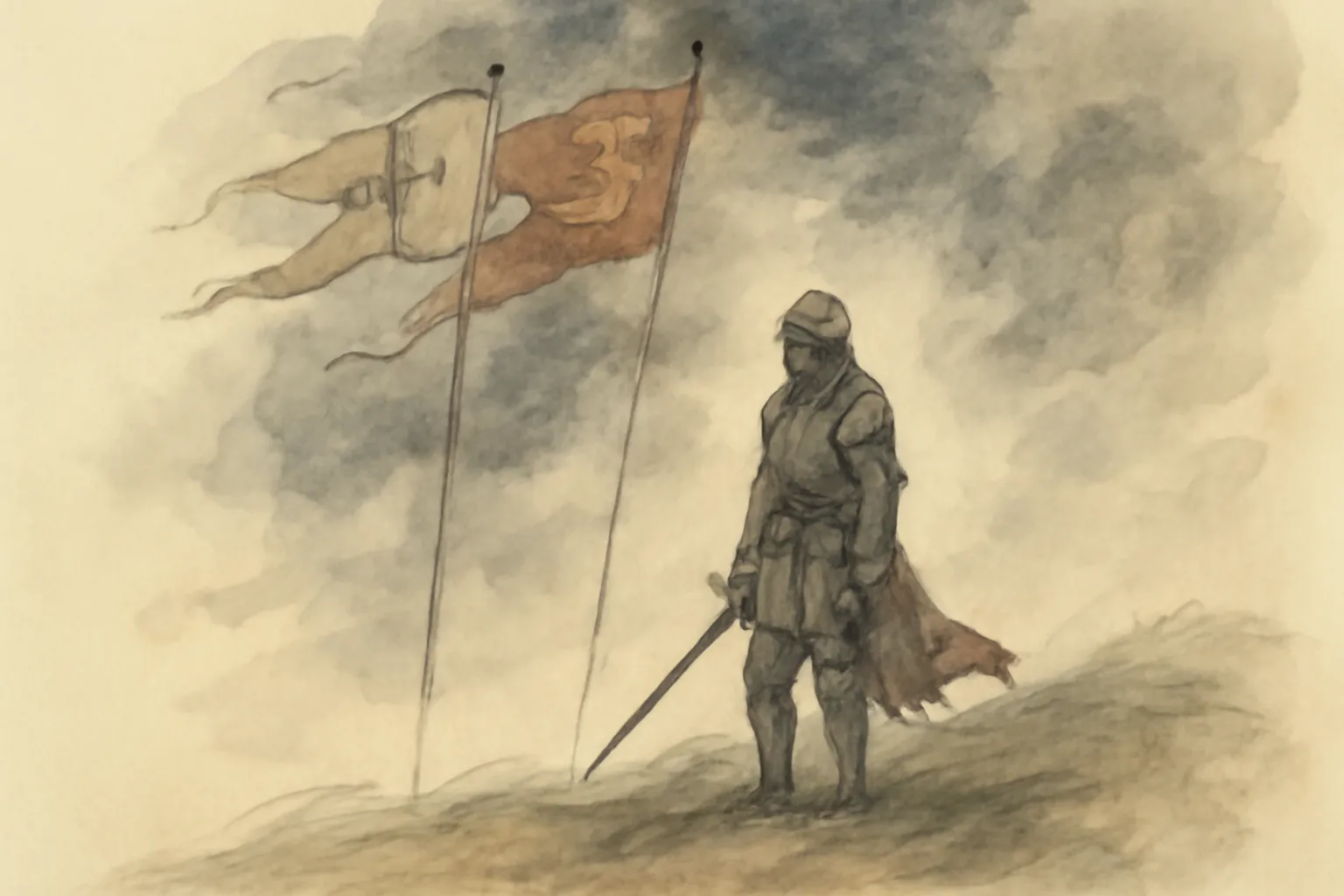
At the heart of 'Ivanhoe' is the profound conflict between the Saxons and the Normans, representing a broader theme of cultural clash. The Normans, having conquered England, impose their rule and customs upon the Saxons, who are depicted as the oppressed but noble class. This tension is exemplified through characters like Cedric the Saxon, who embodies the pride and resilience of the Saxon people, and Prince John, who represents the tyranny of Norman rule. The novel illustrates how this political backdrop influences personal relationships, such as the love story between Ivanhoe and Rowena, a Saxon heiress. The struggle for identity and recognition is palpable, as characters navigate their loyalties amidst the larger societal upheaval.
2.Chivalry and Honor
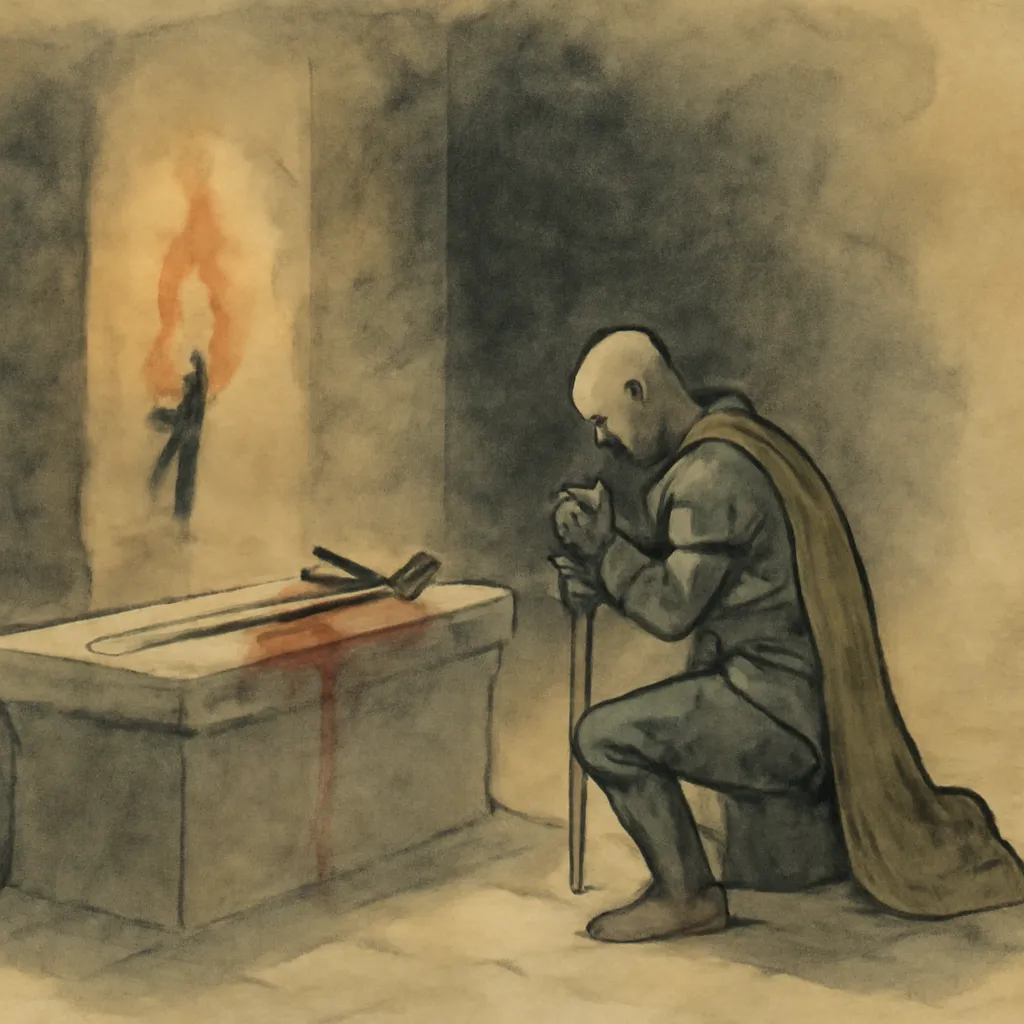
Chivalry serves as a central theme in 'Ivanhoe,' acting as both a code of conduct and a source of conflict. Knights are portrayed as noble warriors bound by honor, yet the practice of chivalry is often tested by personal ambition and betrayal. Ivanhoe, as the embodiment of the chivalric ideal, fights not only for his own honor but also for the principles of justice and fairness. The tournament scenes vividly illustrate the spectacle of chivalry, showcasing knights in combat while also revealing the underlying motivations that drive them—be it love, glory, or vengeance. The contrast between true chivalry and the self-serving actions of characters like Prince John and De Bracy highlights the complexity of honor in a corrupt society.
3.The Role of Women
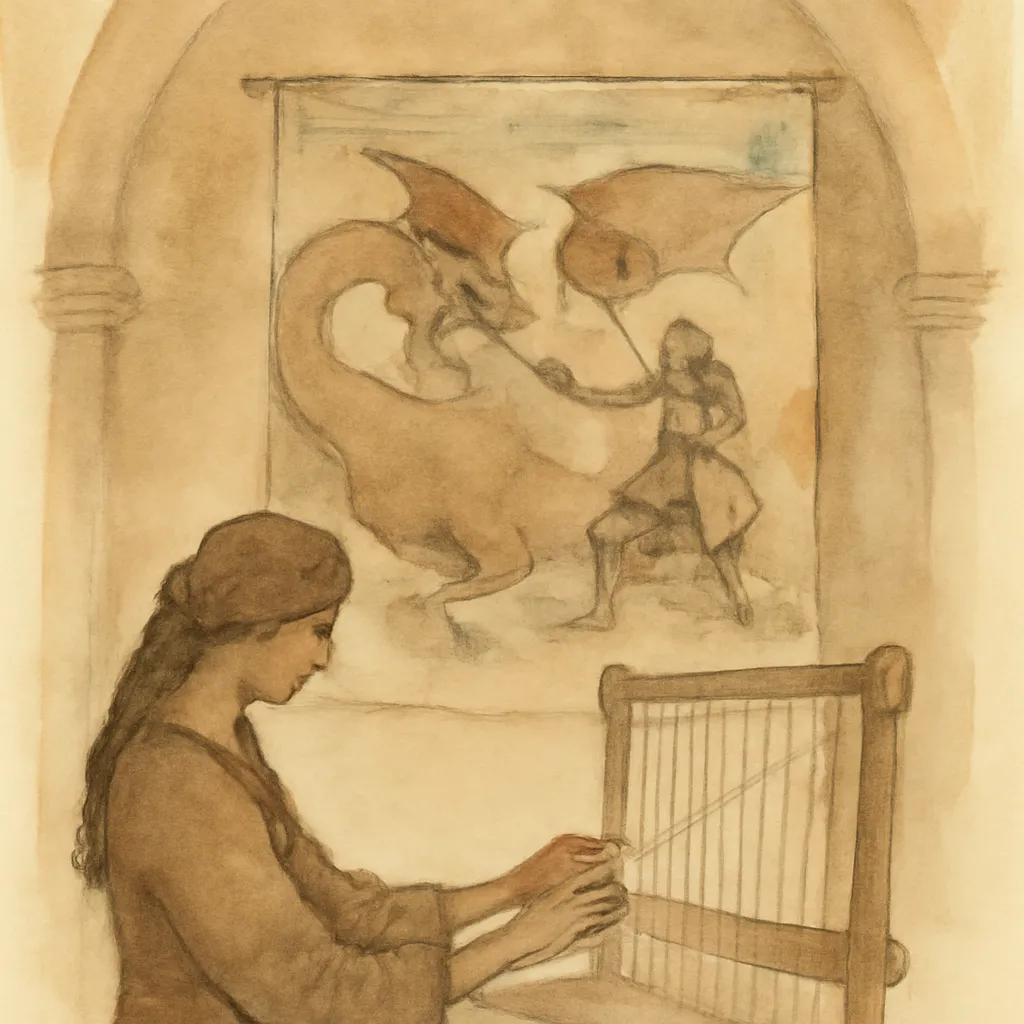
Women in 'Ivanhoe' are depicted as both powerful and vulnerable, navigating a male-dominated society that often seeks to define their roles. Characters like Rowena and Rebecca challenge traditional expectations, displaying strength, intelligence, and agency. Rowena's position as a Saxon heiress places her in the crosshairs of political machinations, while Rebecca, a Jewish woman, faces prejudice and persecution. Their respective journeys reflect the struggles of women to assert their identities and desires in a world that often seeks to control them. The novel raises important questions about love, loyalty, and sacrifice, as both women are forced to confront the consequences of their choices in a society rife with inequality.
4.The Jewish Experience
Rebecca's character provides a poignant commentary on the Jewish experience in medieval England, highlighting themes of prejudice and resilience. As a Jewish woman, she faces systemic discrimination and is often viewed through the lens of stereotype and fear. Scott portrays her as a figure of strength, intelligence, and moral integrity, challenging the negative perceptions held by many of her contemporaries. The interactions between Rebecca and other characters, particularly Ivanhoe, illustrate the potential for empathy and understanding across cultural divides. However, the brutal realities of anti-Semitism are starkly presented, culminating in Rebecca's trial for witchcraft, which serves as a powerful critique of societal biases and the persecution of marginalized groups.
5.Identity and Disinheritance
Ivanhoe’s journey is not just a physical one; it is also a quest for identity and belonging. Disinherited by his father Cedric, Ivanhoe represents the struggle between personal desires and familial loyalty. His return to England as a knight, despite being cast out, symbolizes the resilience of the human spirit and the quest for redemption. The theme of disinheritance echoes throughout the novel, affecting not only Ivanhoe but also other characters who grapple with their place in a society marked by class divisions and personal betrayals. This exploration of identity resonates with readers, as it speaks to the universal human desire for acceptance and recognition, making Ivanhoe’s journey deeply relatable.
6.The Power of Friendship and Loyalty
Friendship and loyalty are pivotal themes in 'Ivanhoe,' illustrated through the bonds between characters like Ivanhoe, Gurth, and Locksley (Robin Hood). Gurth, as Ivanhoe’s swineherd and loyal servant, showcases the importance of loyalty that transcends social class. His unwavering support for Ivanhoe, despite the risks, emphasizes the depth of their friendship. Similarly, Locksley’s camaraderie with Ivanhoe reflects the values of loyalty and mutual respect among those who fight against oppression. These relationships underscore the idea that true nobility lies not in titles or wealth, but in the strength of one’s character and the loyalty one shows to friends and allies.
7.The Spectacle of the Tournament
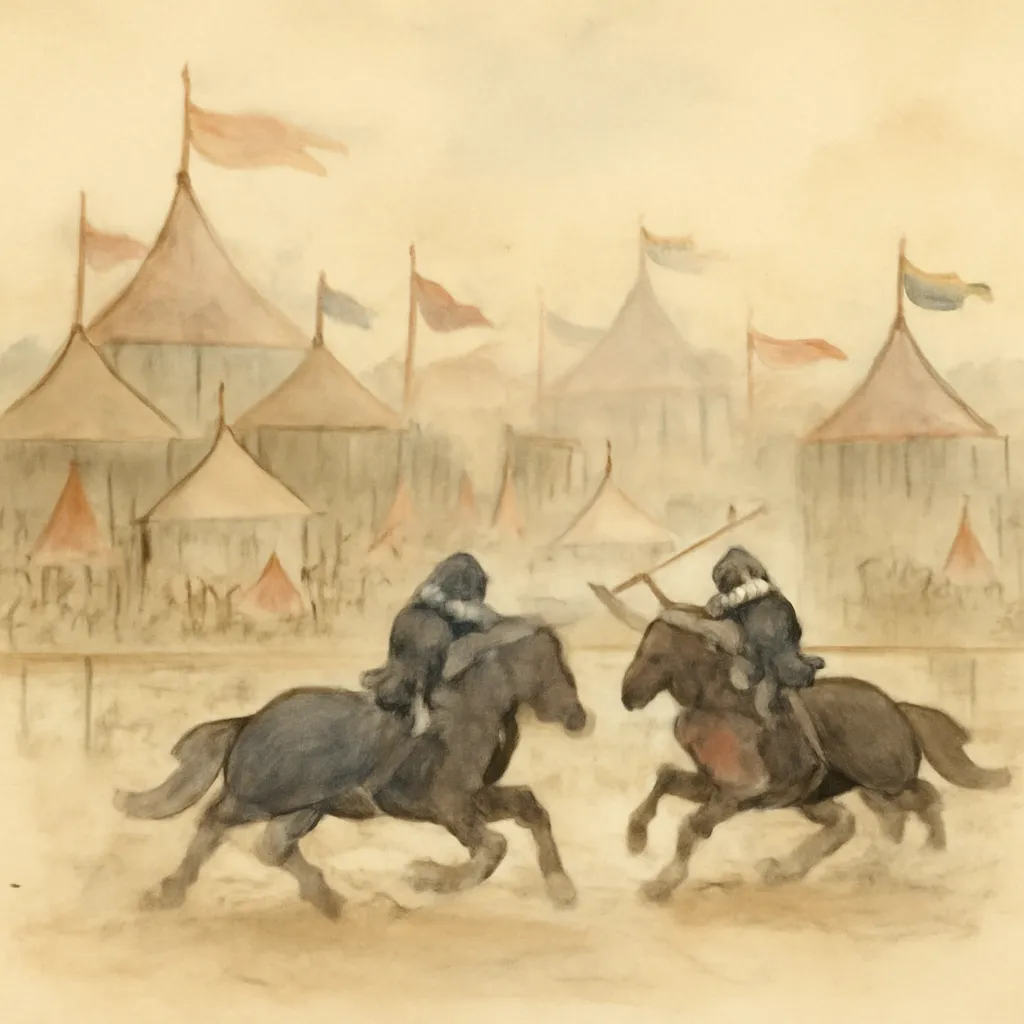
The tournament scenes in 'Ivanhoe' serve as a dramatic focal point, showcasing the pageantry and brutality of medieval knightly contests. These events are not merely about physical prowess; they are steeped in political significance and personal vendettas. The tournament at Ashby is particularly crucial, as it becomes the setting for Ivanhoe to reclaim his honor and prove his worth. The spectacle of jousting and the excitement of the crowd reflect the societal values of the time, where valor and reputation were paramount. However, the tournaments also expose the underlying tensions between characters, revealing ambitions and rivalries that threaten to disrupt the chivalric ideals they represent.
8.The Role of the Church
The church plays a complex role in 'Ivanhoe,' serving as both a source of moral guidance and a tool of political power. Characters like the Prior of Jorvaulx illustrate the church's involvement in secular matters, often prioritizing political alliances over spiritual integrity. The church's stance on issues such as Rebecca's trial reflects the moral ambiguities of the time, where religious authority can be wielded for both justice and oppression. The novel critiques the corruption within the church, contrasting the genuine faith of characters like the hermit with the self-serving motives of others. This exploration of the church's dual role provides a deeper understanding of the societal dynamics at play in medieval England.
9.The Struggle for Justice
Justice is a central theme in 'Ivanhoe,' as characters navigate a landscape rife with corruption and injustice. Ivanhoe’s quest is not only for personal redemption but also for the broader ideals of justice and equity in a society dominated by feudal oppression. The novel raises important questions about what constitutes true justice, especially in the face of societal prejudices and personal vendettas. Rebecca’s trial serves as a critical examination of the judicial system, highlighting the biases that can pervert justice. Through Ivanhoe's actions and the consequences faced by characters like Rebecca, Scott underscores the importance of fighting for what is right, even when the odds seem insurmountable.
10.Legacy of 'Ivanhoe'
'Ivanhoe' has left a lasting legacy on literature and popular culture, influencing how medieval themes are portrayed across various mediums. Its vivid characters and intricate plot have inspired countless adaptations, from films to stage productions and beyond. The novel's exploration of chivalry, identity, and social justice continues to resonate with contemporary audiences, reflecting ongoing struggles for equity and understanding in diverse societies. Scott's ability to weave historical context with compelling narrative elements has cemented 'Ivanhoe' as a classic, inviting readers to reflect on the complexities of human nature and the enduring quest for honor and justice.