

Fiction, science fiction, general · speculative fiction · New York Times bestseller
Klara and the Sun by Kazuo Ishiguro — Summary, Key Ideas & Quotes
2019334 pages✦ 3-min Big ideas★ 3.8 (48)
Rate it
"Klara and the Sun, the first novel by Kazuo Ishiguro since he was awarded the Nobel Prize in Literature, tells the story of Klara, an Artificial Friend with outstanding observational qualities, who, from her place in the store, watches carefully the behavior of those who come in to browse, and of those who pass on the street outside. She remains hopeful that a customer will soon choose her. Klara and the Sun is a thrilling book that offers a look at our changing world through the eyes of an unforgettable narrator, and one that explores the fundamental question: what does it mean to love? In its award citation in 2017, the Nobel committee described Ishiguro's books as "novels of great emotional force" and said he has "uncovered the abyss beneath our illusory sense of connection with the world.""
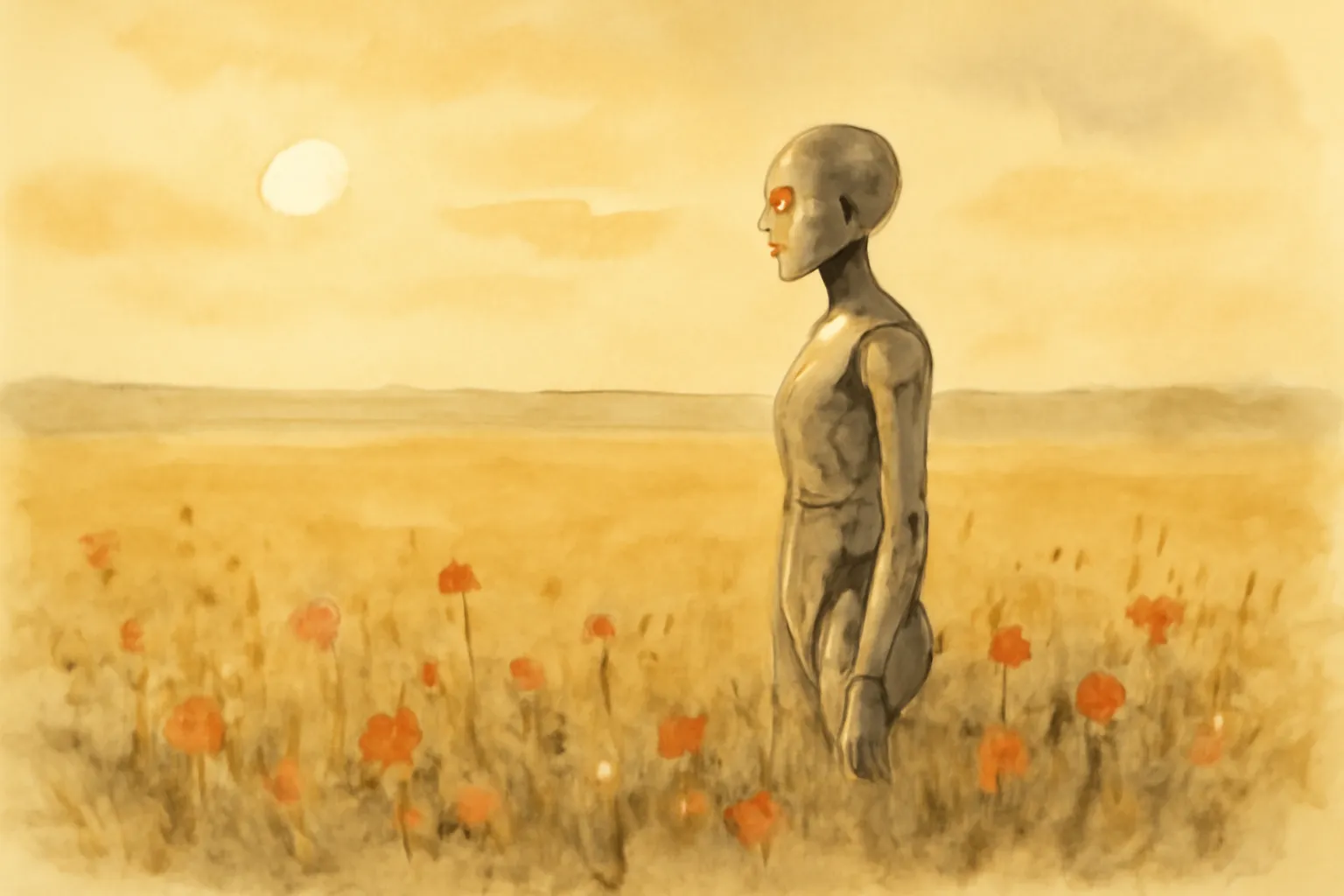
Klara’s perspective as an Artificial Friend is both limited and illuminating. Her observations are filtered through programmed logic and a childlike curiosity, which paradoxically allows her to notice subtleties that humans overlook. Ishiguro uses Klara’s unique viewpoint to probe whether empathy and love require human consciousness, or if they can be authentically expressed by artificial beings. The novel blurs the lines between programmed care and genuine feeling, prompting readers to reconsider what constitutes real empathy.
At its core, the novel is a meditation on loneliness—both human and artificial. Klara’s longing to be chosen mirrors the isolation experienced by the humans around her, especially Josie, the sickly girl she is purchased to befriend. Ishiguro explores how technology both alleviates and exacerbates loneliness, raising questions about whether companionship can be manufactured or if it must arise organically. The story suggests that the desire for connection is universal, transcending the boundaries between human and machine.
“‘To be chosen one day by a child would be the best possible thing.’”
“‘There was something very special, but it wasn’t inside Josie. It was inside those who loved her.’”


