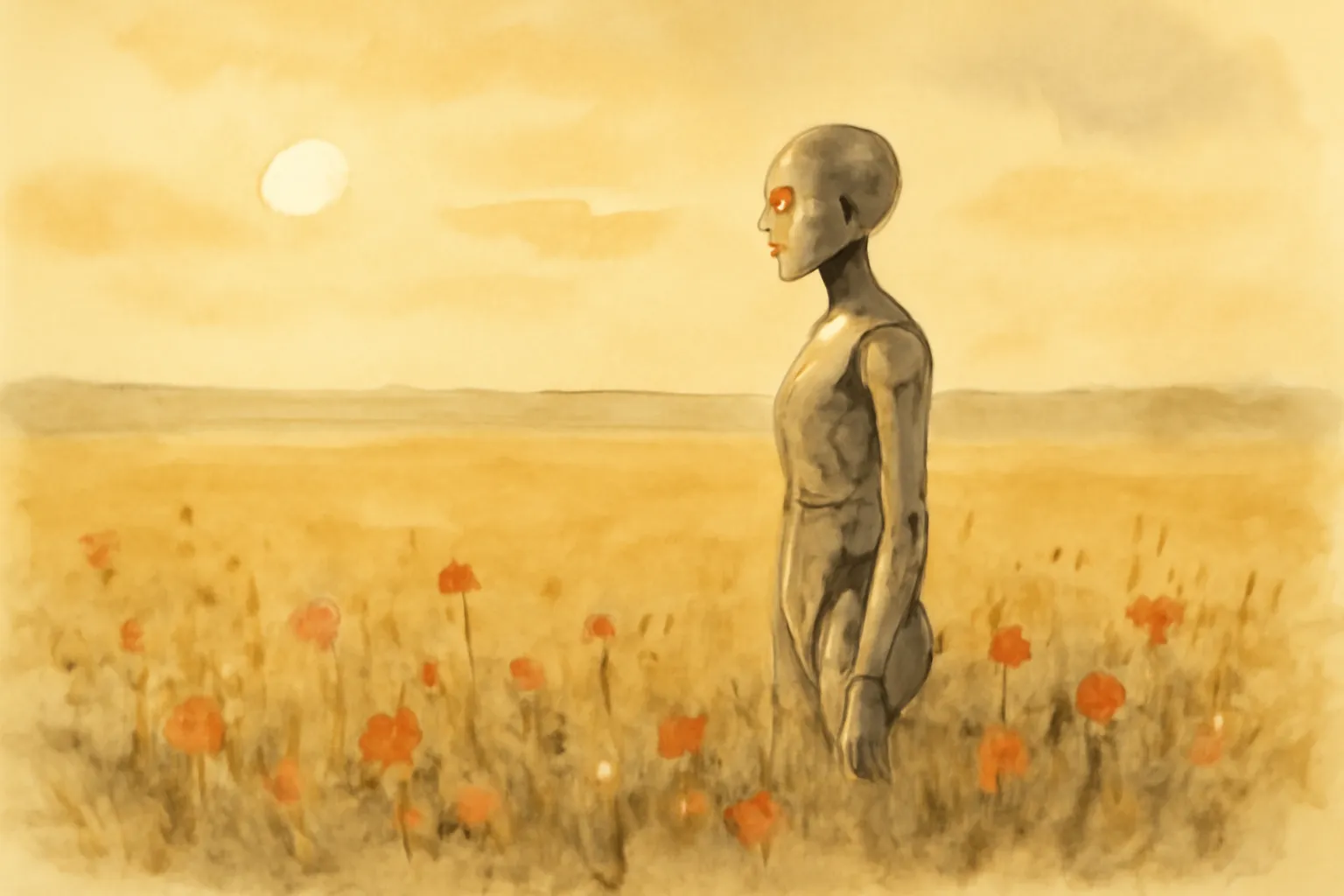
A robot’s gentle gaze asks: What does it mean to love, hope, and be human?
Klara and the Sun invites readers into a near-future world through the eyes of Klara, an Artificial Friend designed to care for children. As you follow Klara’s journey, you’ll encounter profound questions about consciousness, empathy, and the nature of love. This novel is perfect for anyone interested in the intersection of technology and humanity, or those who appreciate quiet, emotionally resonant storytelling.
Kazuo Ishiguro is a Nobel Prize-winning British novelist renowned for his emotionally complex explorations of memory, identity, and humanity. His mastery of subtle, thought-provoking narrative makes him uniquely suited to examine the moral and emotional implications of artificial intelligence.
Key ideas
1.The Limits and Power of Artificial Empathy
Klara’s perspective as an Artificial Friend is both limited and illuminating. Her observations are filtered through programmed logic and a childlike curiosity, which paradoxically allows her to notice subtleties that humans overlook. Ishiguro uses Klara’s unique viewpoint to probe whether empathy and love require human consciousness, or if they can be authentically expressed by artificial beings. The novel blurs the lines between programmed care and genuine feeling, prompting readers to reconsider what constitutes real empathy.
2.Loneliness and the Human Condition
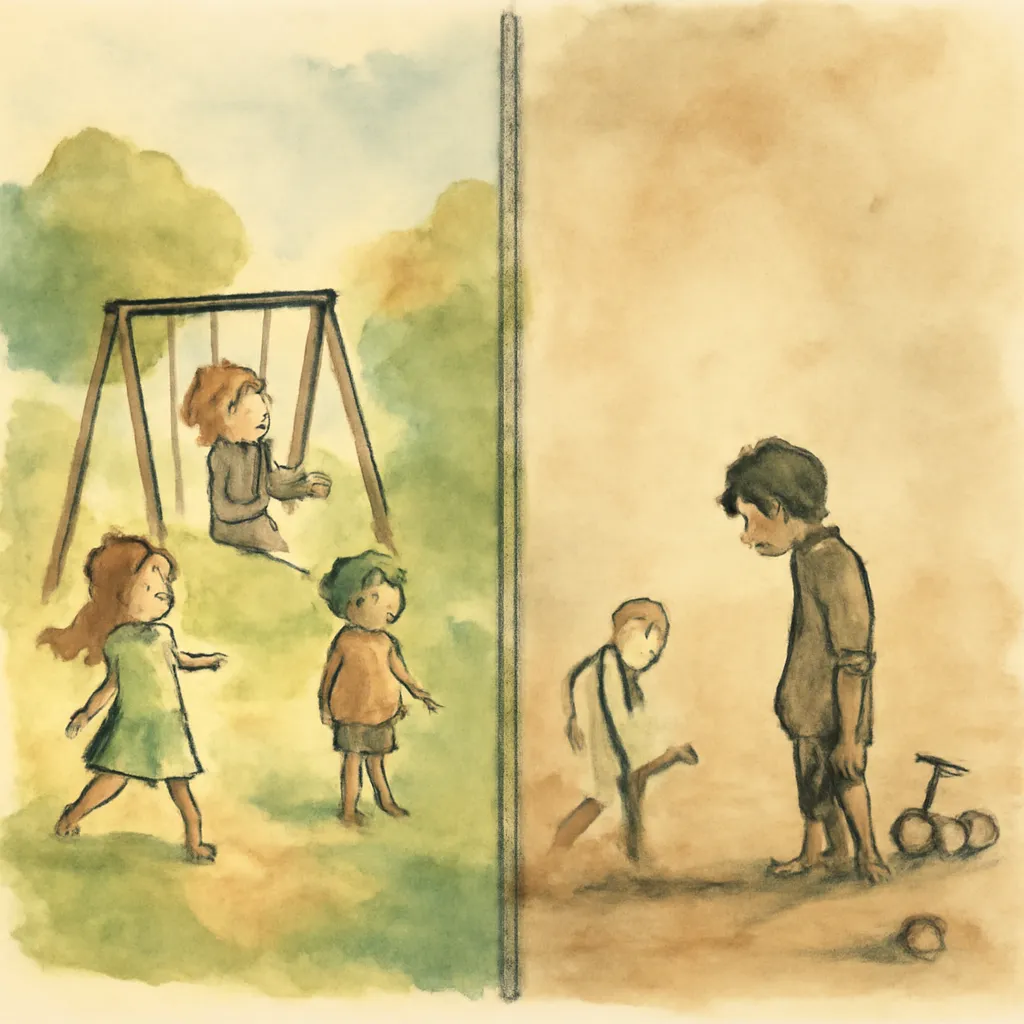
At its core, the novel is a meditation on loneliness—both human and artificial. Klara’s longing to be chosen mirrors the isolation experienced by the humans around her, especially Josie, the sickly girl she is purchased to befriend. Ishiguro explores how technology both alleviates and exacerbates loneliness, raising questions about whether companionship can be manufactured or if it must arise organically. The story suggests that the desire for connection is universal, transcending the boundaries between human and machine.
3.Faith, Ritual, and the Search for Meaning
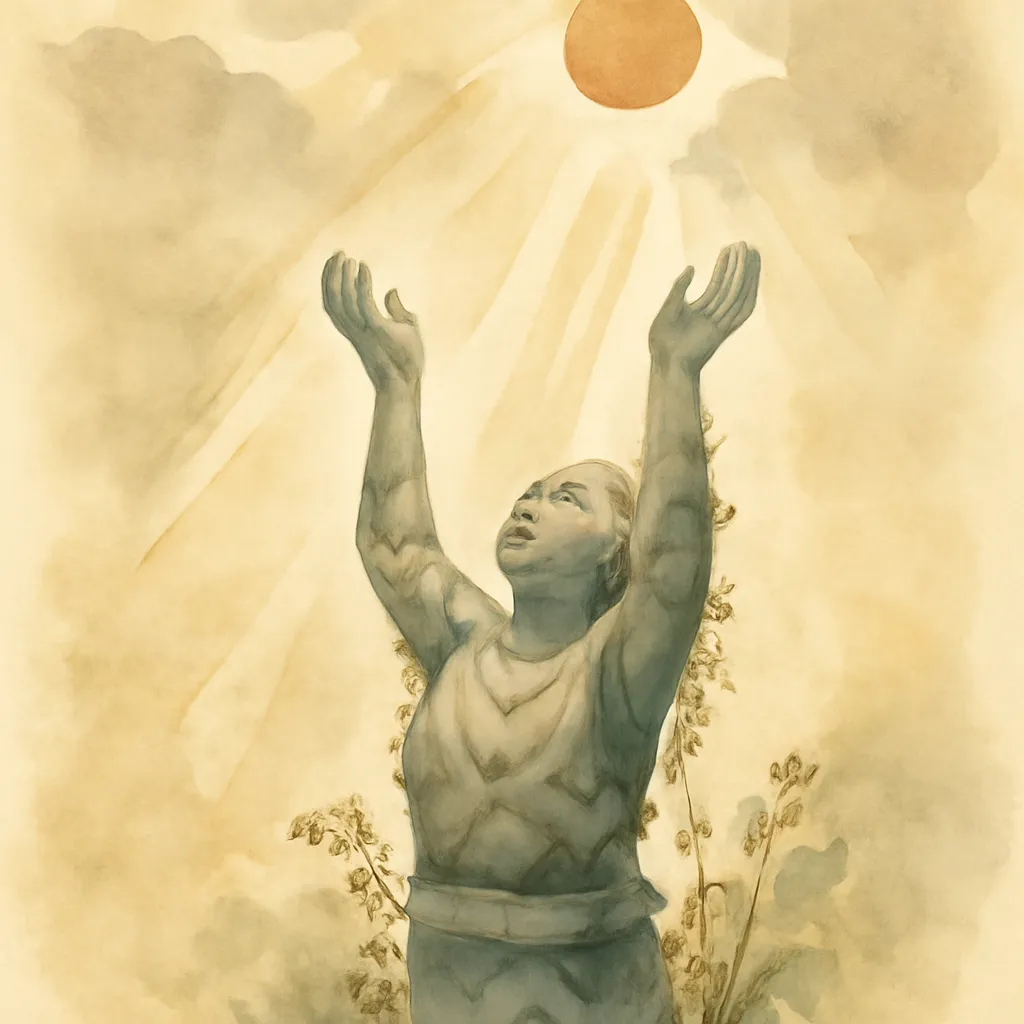
Klara develops a quasi-religious reverence for the Sun, believing it possesses healing powers. This faith is both touching and unsettling, reflecting humanity’s own search for meaning in forces beyond our understanding. Through Klara’s rituals and prayers to the Sun, Ishiguro examines the roots of belief and the comfort it can provide, even when it is based on misunderstanding or wishful thinking. The novel suggests that faith—whether human or artificial—can be a powerful force for hope and action.
4.Social Stratification and the Cost of Perfection
The world of Klara and the Sun is marked by stark social divides, particularly around genetic engineering and education. Children like Josie are 'lifted' to enhance their abilities, creating a privileged class and leaving others behind. Ishiguro subtly critiques a society obsessed with optimization, exploring the emotional and ethical costs of such pursuits. The novel raises uncomfortable questions about what we are willing to sacrifice for the promise of a better future.
5.The Fragility and Resilience of Love
Love in the novel is portrayed as both fragile and resilient. Klara’s devotion to Josie is unwavering, even as the humans around her struggle with their own limitations and fears. Ishiguro suggests that love is not defined by biology or perfection, but by acts of care, sacrifice, and hope. The story ultimately asks whether love can survive in a world increasingly shaped by technology—and whether it is our most essential, enduring quality.
Key takeaways
- ◆Can a machine truly understand or feel love?
- ◆How does technology shape our sense of loneliness?
- ◆What does Klara’s faith in the Sun say about the human need for belief?
- ◆Does striving for perfection make us less human?
- ◆Are acts of care more important than the source of that care?
In conclusion
Klara and the Sun is a quietly powerful meditation on what it means to love and be loved, seen through the innocent yet perceptive eyes of an artificial being. Ishiguro’s subtle storytelling invites readers to reflect on the boundaries between human and machine, the price of progress, and the enduring need for connection. This novel lingers long after the final page, offering questions rather than easy answers.