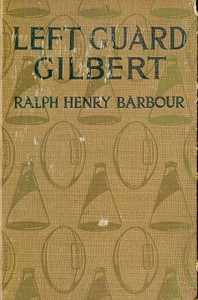

In 'Left Guard Gilbert', the journey of a young boy from Kansas unfolds as he navigates the challenges of football, friendship, and self-discovery at Brimfield Academy
Read full overviewShow less›
Set against the backdrop of competitive high school football, 'Left Guard Gilbert' tells the story of Don Gilbert, a boy whose aspirations and struggles resonate with anyone who has ever faced adversity. Through vivid characterizations and engaging narratives, Ralph Henry Barbour captures the essence of teamwork, ambition, and the quest for personal identity. Readers will find themselves immersed in the dynamics of youth sports culture, the bonds of friendship, and the trials of growing up. As Don grapples with injuries, rivalries, and the pressure to succeed, the novel explores themes of resilience, integrity, and the importance of camaraderie. This rich tapestry of experiences makes 'Left Guard Gilbert' not just a sports story, but a profound exploration of youth and the lessons that come with it.
In 'Left Guard Gilbert', Ralph Henry Barbour weaves a compelling narrative that captures the essence of youth, friendship, and the spirit of competition. Through Don's journey, readers are reminded of the importance of resilience, integrity, and the bonds forged in the heat of battle. The lessons learned on the football field extend beyond the game, offering insights into character development and personal growth. Ultimately, this story resonates with anyone who has faced challenges and emerged stronger, making it a timeless exploration of the human spirit and the power of community. 'Left Guard Gilbert' stands as a testament to the transformative power of sports in shaping young lives.
- 1The Coach's Tough Love
- 2Friendship and Rivalry
- 3Overcoming Adversity
- 4The Role of Team Dynamics
- 5The Importance of Integrity
Notable quotes
“That was left half through guard-tackle, wasn't it?”
“I'm beastly sorry, old man! I didn't notice the crêpe.”
“Yes, but he didn't believe in it much.”
A glimpse inside

Coach Robey embodies the archetype of a tough yet caring mentor who pushes his players to exceed their limits. His insistence on proper technique, such as when he instruc… Read moreCoach Robey embodies the archetype of a tough yet caring mentor who pushes his players to exceed their limits. His insistence on proper technique, such as when he instructs St. Clair on how to hold the football, illustrates the importance of discipline and focus in sports. Robey's sharp criticisms are not meant to belittle but to instill a sense of responsibility in his players. For instance, he emphasizes the need for players to protect the ball during drills, explaining that holding it against the stomach is crucial to avoiding fumbles when facing real opponents. This relationship between coach and player is pivotal, showcasing how effective coaching can inspire young athletes to strive for excellence while fostering a sense of accountability. Robey’s character serves as a reminder that the path to greatness is often paved with rigorous training and constructive criticism, encouraging players to rise to their potential. Show less
The camaraderie among the boys at Brimfield Academy is central to the narrative, highlighting how friendships are forged in the crucible of competition. Read moreThe camaraderie among the boys at Brimfield Academy is central to the narrative, highlighting how friendships are forged in the crucible of competition. Don Gilbert's relationship with his friend Tim Otis exemplifies this dynamic; they support each other through the highs and lows of their football journey. Tim's unwavering loyalty and humorous disposition create a balance for Don, who often grapples with self-doubt and the pressures of the game. However, rivalry also brews, particularly with Harry Walton, who covets Don's position on the team. The constant competition for playing time introduces tension, leading to moments where friendship is tested. This tension illustrates the dual nature of sports: the friendships that blossom amid competition and the rivalries that can threaten them. Such relationships are complex and multifaceted, often leading to moments of both collaboration and conflict. The resulting tension serves to strengthen Don's resolve and character, pushing him to navigate the challenges of adolescence while maintaining his integrity. Show less
Read the full text — free
About the author
Ralph Henry Barbour has 2 works free to read on Lumina, including Barry Locke, half-back
All 2 books by Ralph Henry Barbour →