1.The Coach's Tough Love
Coach Robey embodies the archetype of a tough yet caring mentor who pushes his players to exceed their limits. His insistence on proper technique, such as when he instructs St. Clair on how to hold the football, illustrates the importance of discipline and focus in sports. Robey's sharp criticisms are not meant to belittle but to instill a sense of responsibility in his players. For instance, he emphasizes the need for players to protect the ball during drills, explaining that holding it against the stomach is crucial to avoiding fumbles when facing real opponents. This relationship between coach and player is pivotal, showcasing how effective coaching can inspire young athletes to strive for excellence while fostering a sense of accountability. Robey’s character serves as a reminder that the path to greatness is often paved with rigorous training and constructive criticism, encouraging players to rise to their potential.
2.Friendship and Rivalry
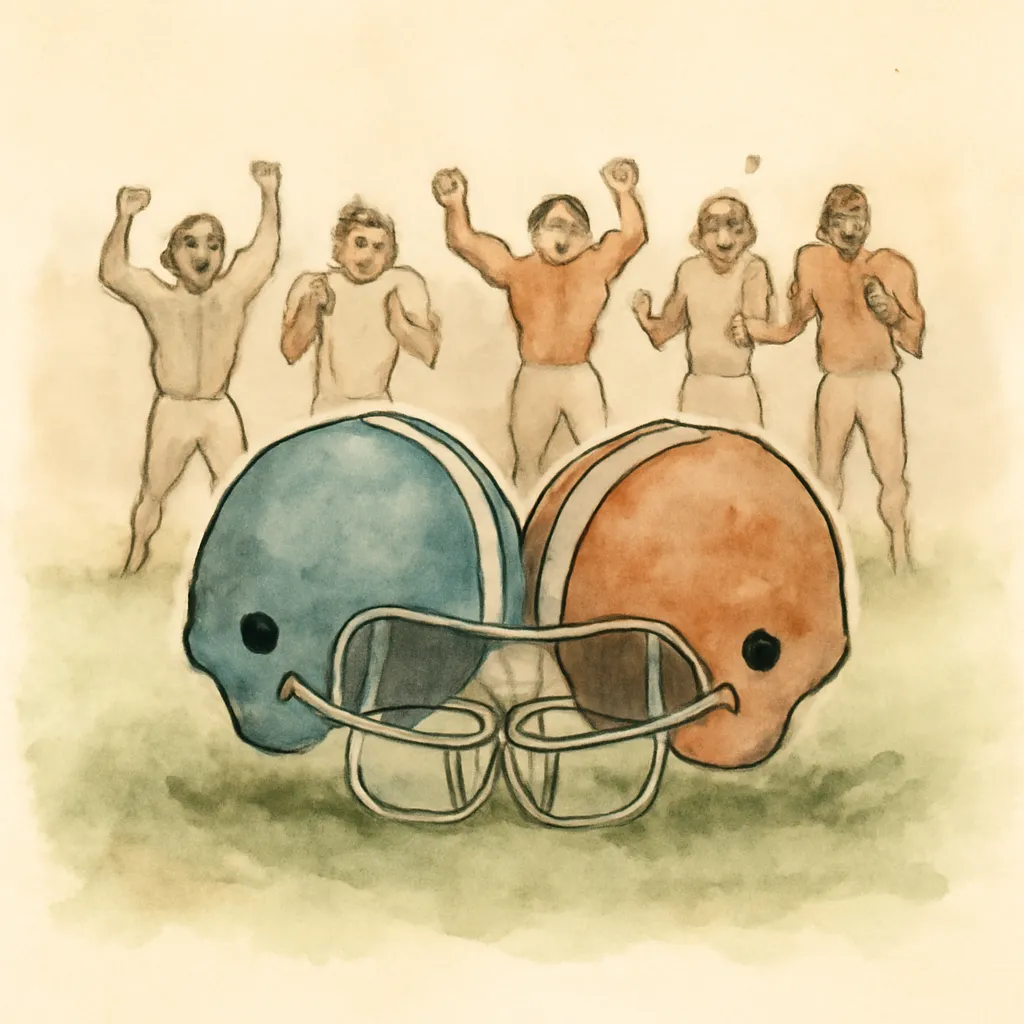
The camaraderie among the boys at Brimfield Academy is central to the narrative, highlighting how friendships are forged in the crucible of competition. Don Gilbert's relationship with his friend Tim Otis exemplifies this dynamic; they support each other through the highs and lows of their football journey. Tim's unwavering loyalty and humorous disposition create a balance for Don, who often grapples with self-doubt and the pressures of the game. However, rivalry also brews, particularly with Harry Walton, who covets Don's position on the team. The constant competition for playing time introduces tension, leading to moments where friendship is tested. This tension illustrates the dual nature of sports: the friendships that blossom amid competition and the rivalries that can threaten them. Such relationships are complex and multifaceted, often leading to moments of both collaboration and conflict. The resulting tension serves to strengthen Don's resolve and character, pushing him to navigate the challenges of adolescence while maintaining his integrity.
3.Overcoming Adversity
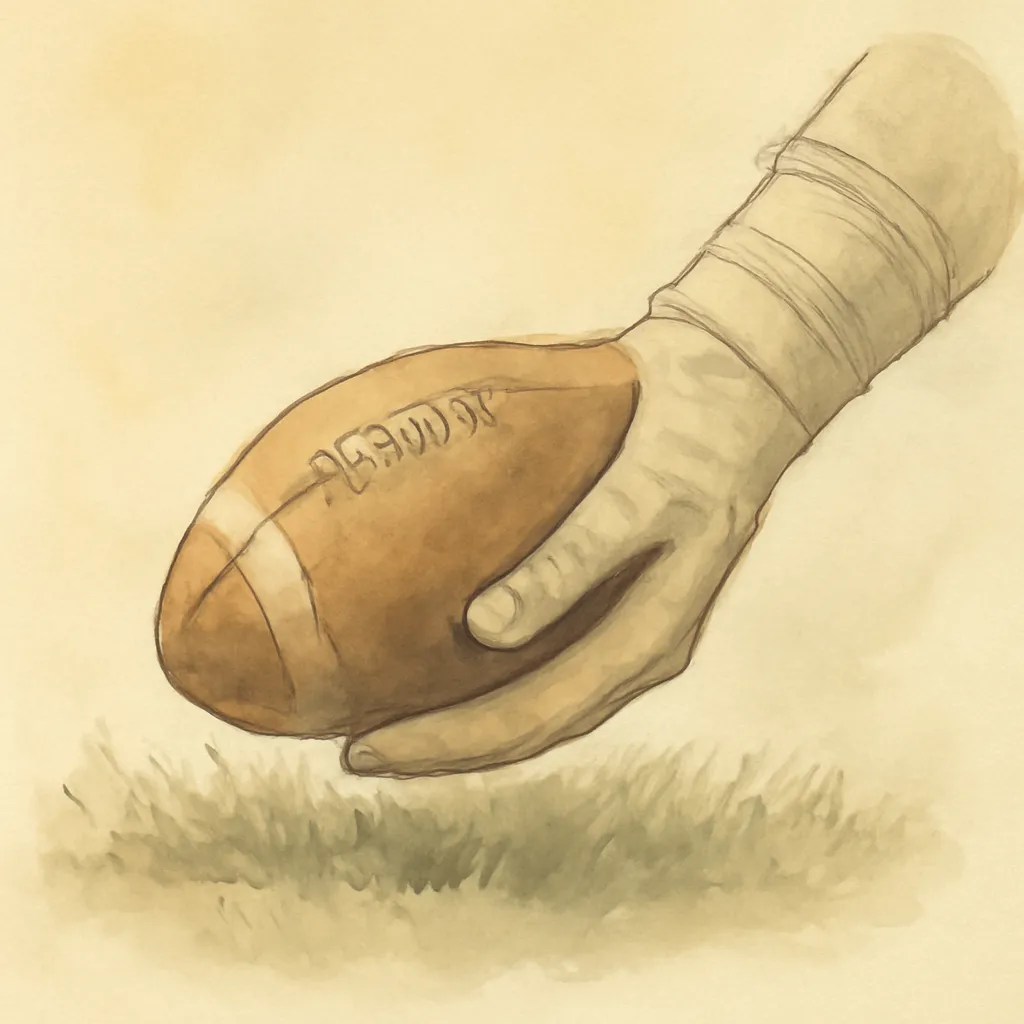
Don's physical challenges, particularly his injured hand, serve as a metaphor for the obstacles that young athletes often face. The slow healing process not only delays his participation in football but also tests his patience and determination. Throughout the narrative, Don's journey emphasizes the importance of resilience in the face of adversity. Instead of succumbing to frustration, he learns to adapt, practicing with a modified glove and persevering through the recovery process. His determination to get back on the field, despite the setbacks, reflects a critical lesson about commitment and hard work. Don’s struggle becomes a source of inspiration, illustrating that setbacks can lead to personal growth and strength. Additionally, his eventual return to practice as part of the second team symbolizes the idea that every challenge can be an opportunity for growth, allowing him to build his skills and confidence in a supportive environment.
4.The Role of Team Dynamics
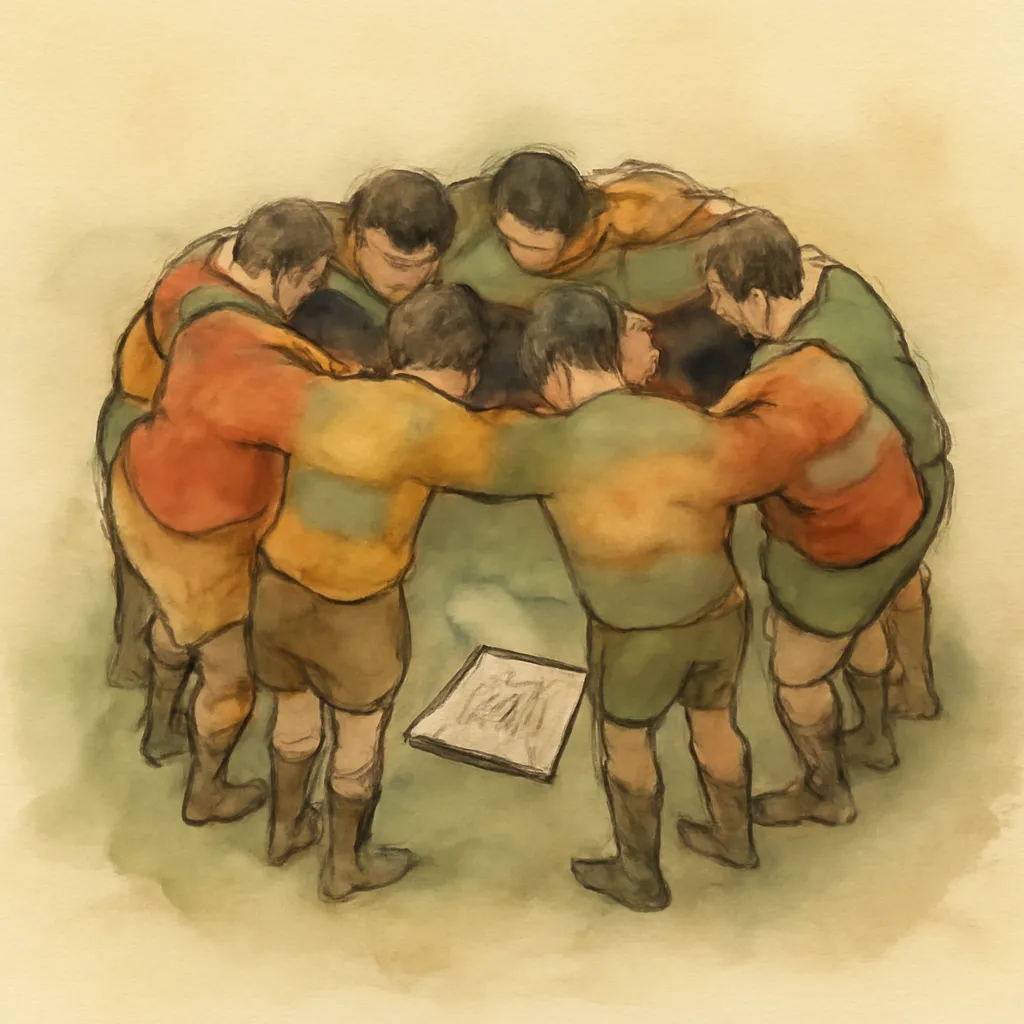
The interactions among the players on the Brimfield Academy football team reveal the complexities of team dynamics in sports. Each character brings unique strengths and weaknesses that affect the overall performance of the team. Coach Robey's strategic decisions, such as rotating players and forming line-ups, reflect an understanding of how individual talents can be harnessed for collective success. The competition for positions, particularly between Don and Harry Walton, highlights how ambition can drive players to improve while also fostering tension. For example, the players are often pushed to challenge each other not just for their own sake but for the overall betterment of the team. This interplay of cooperation and competition illustrates that success in team sports relies not only on individual skill but also on the ability to work harmoniously with others toward a common goal. The spirit of teamwork becomes crucial not just for winning games but for personal development as well.
5.The Importance of Integrity
Integrity is a recurring theme throughout 'Left Guard Gilbert', especially as Don navigates the challenges of competition and rivalry. His interactions with Harry Walton, who attempts to undermine him through manipulation, force Don to confront the moral implications of his actions. The narrative underscores that true sportsmanship is about more than just winning; it encompasses fairness, respect for opponents, and maintaining one's principles. Don's commitment to playing honorably, despite the pressures of competition, serves as a powerful reminder that character often outweighs victories on the field. For instance, during a tense practice session, Don refrains from retaliating against Walton, demonstrating that a true athlete prioritizes integrity over petty rivalries. This message resonates beyond sports, encouraging readers to uphold their values in all aspects of life, highlighting that integrity builds trust, both on and off the field.
6.The Power of Community Support
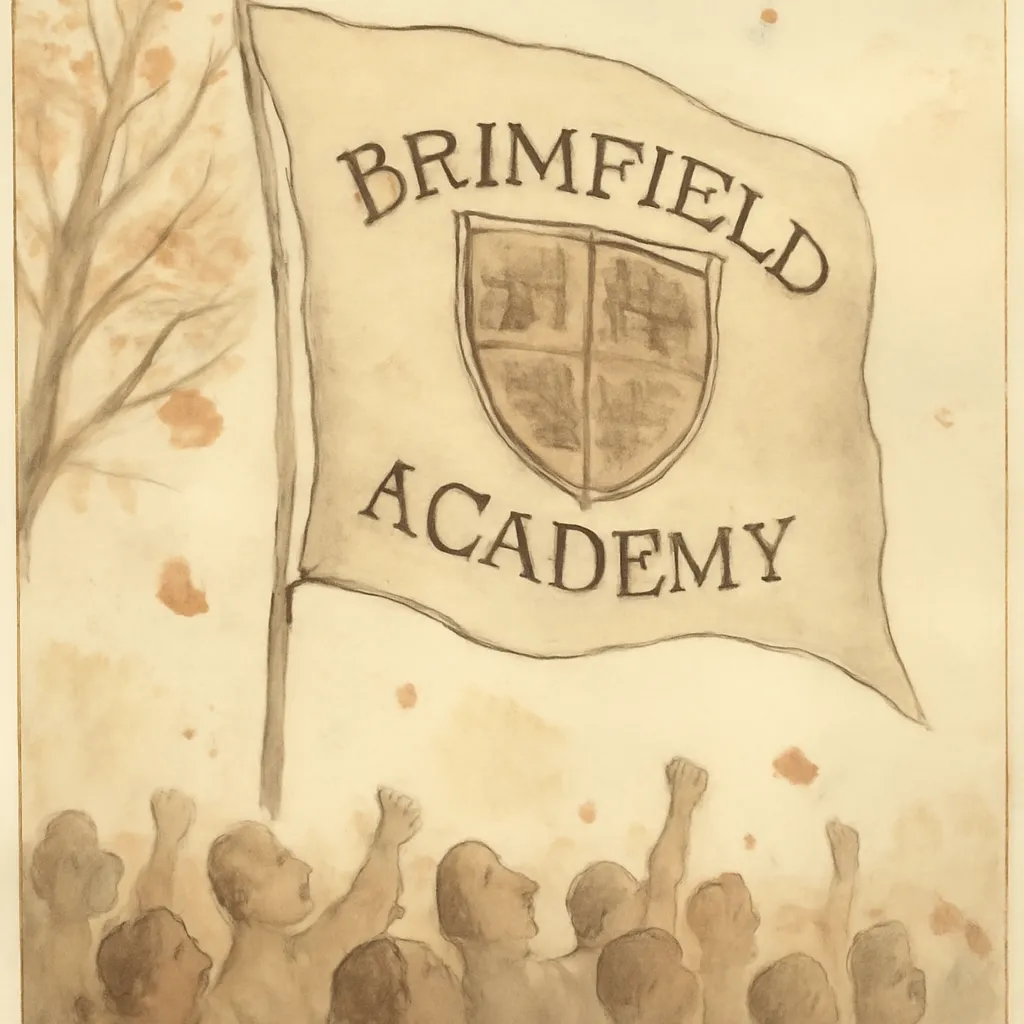
The support from the Brimfield Academy community plays a significant role in shaping Don's experience. From the camaraderie of his teammates to the encouragement from the coaching staff, the collective spirit of the school fosters an environment where young athletes can thrive. This sense of belonging is vital as Don faces personal challenges and seeks to prove himself on the field. The community's unwavering support during games and practices exemplifies the importance of having a strong network of encouragement and belief in one's potential. The scenes depicting the student body rallying behind the team create an uplifting atmosphere that enhances the players' performances. It highlights how communal bonds can uplift individuals, motivating them to pursue their dreams even in the face of adversity. The presence of supportive peers serves as a reminder that success is often a shared journey.
7.Crisis as a Catalyst for Growth
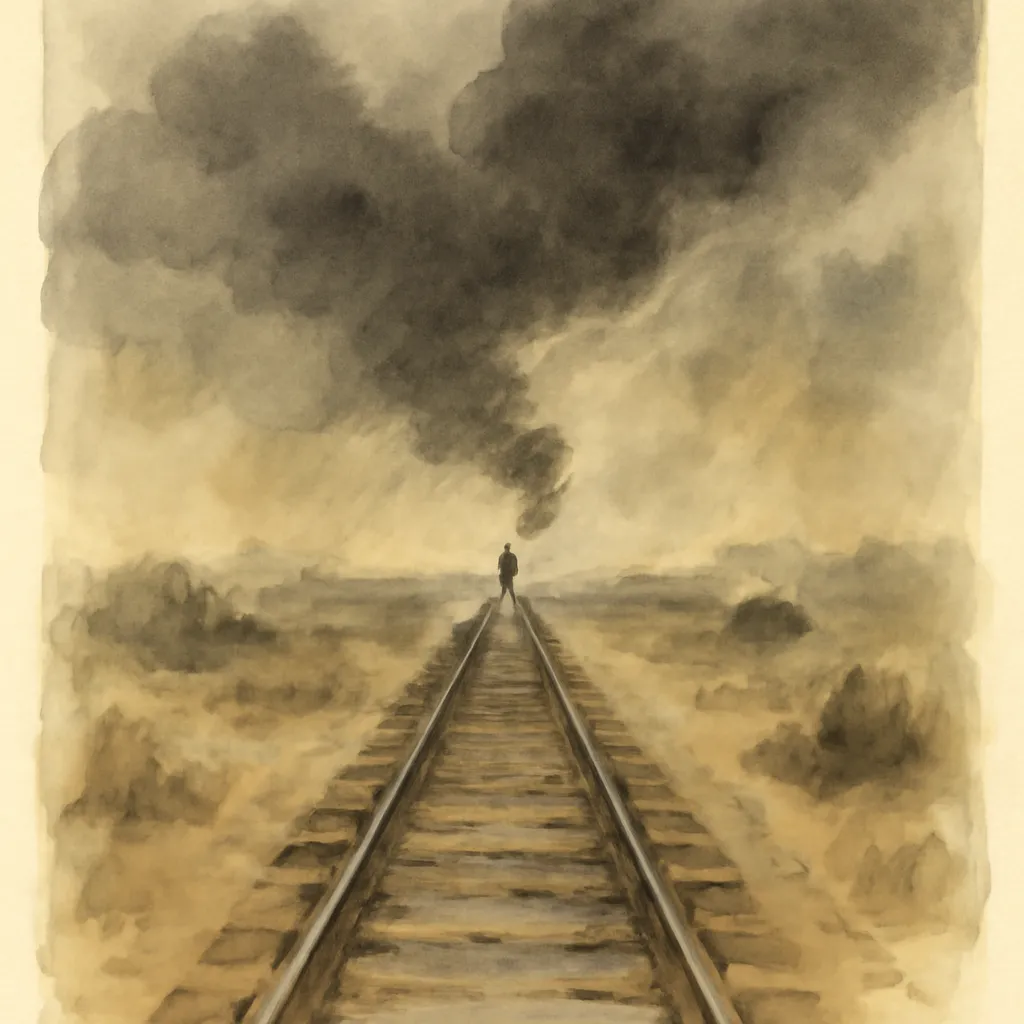
The train wreck incident that Don is involved in serves as a pivotal moment in the narrative, acting as a catalyst for his personal growth and development. This event forces Don to confront his fears and insecurities, ultimately leading to a newfound sense of heroism and responsibility. As he assists others during the crisis, he discovers that true bravery comes from selflessness and the willingness to help those in need. The experience reshapes his identity, transforming him from a mere player into a young man of character and integrity. His actions during the crisis illustrate that heroism is not defined by grand gestures, but by the small, courageous acts of kindness in times of need. This moment serves as a powerful reminder that crises can lead to profound personal transformation, shaping one’s values and priorities. It underscores the idea that the true measure of a person is revealed in their responses to adversity.
8.Navigating the Pressure of Expectations
As the season progresses, Don faces the mounting pressure of expectations from his peers, coaches, and himself. The anticipation surrounding games, particularly the rivalry against Claflin, intensifies the stakes for every player. The weight of these expectations can be burdensome, leading Don to grapple with anxiety and self-doubt. The narrative captures this tension effectively, illustrating how the journey to achieve one's goals is often fraught with challenges. Don's ability to cope with the pressure—balancing his desire to succeed with his mental health—ultimately defines his character and resilience. The conversations between Don and Tim about their fears and aspirations highlight the importance of having a support system to navigate the trials of competition. This theme resonates with anyone who has faced similar pressures, emphasizing the value of managing expectations while striving for personal excellence.
9.The Significance of Leadership

Leadership emerges as a crucial theme in 'Left Guard Gilbert', particularly through the character of Coach Robey and the team captains. Their ability to inspire and guide the players shapes the culture of the team and influences individual performance. Effective leadership is portrayed as a blend of authority and empathy, where leaders not only instruct but also connect with their players on a personal level. For instance, Coach Robey takes the time to understand each player's strengths and weaknesses, tailoring his coaching to bring out the best in them. This dynamic fosters a sense of trust and respect, essential for a cohesive team environment. Don's experiences under various leaders illustrate how strong leadership can motivate individuals to rise to their potential, further emphasizing that great teams are often built on the foundation of effective leadership. The narrative reinforces the idea that good leaders are those who empower others to achieve their best.
10.The Journey of Self-Discovery
Ultimately, 'Left Guard Gilbert' is a tale of self-discovery as Don navigates the trials of adolescence, sports, and friendship. His experiences on the football field serve as a microcosm for the larger journey of finding one's identity and purpose. Through victories and defeats, rivalries, and friendships, Don learns valuable lessons about himself and the world around him. This journey is universal, resonating with readers who have faced their own struggles and triumphs. Don's evolution throughout the story underscores the importance of embracing one’s journey and the growth that comes from it. Each challenge he faces contributes to a deeper understanding of who he is and what he values, reinforcing the notion that the path to self-discovery is often nonlinear, filled with challenges that shape character and forge resilience. This exploration of identity and growth resonates deeply with anyone who has navigated the tumultuous period of adolescence.