
New York Times bestseller · Women scientists · Fiction
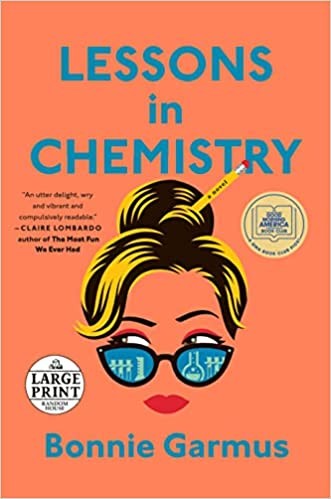
Lessons in Chemistry by Bonnie Garmus — Summary, Key Ideas & Quotes
2022464 pages✦ 3-min Big ideas★ 4.0 (8)
Rate it
Chemist Elizabeth Zott is not your average woman. In fact, Elizabeth Zott would be the first to point out that there is no such thing as an average woman. But it’s the early 1960s and her all-male team at Hastings Research Institute takes a very unscientific view of equality. Except for one: Calvin Evans; the lonely, brilliant, Nobel–prize nominated grudge-holder who falls in love with—of all things—her mind. True chemistry results. But like science, life is unpredictable. Which is why a few years later Elizabeth Zott finds herself not only a single mother, but the reluctant star of America’s most beloved cooking show Supper at Six. Elizabeth’s unusual approach to cooking (“combine one tablespoon acetic acid with a pinch of sodium chloride”) proves revolutionary. But as her following grows, not everyone is happy. Because as it turns out, Elizabeth Zott isn’t just teaching women to cook. She’s daring them to change the status quo.
At its core, the novel is a critique of the rigid gender expectations of the early 1960s. Elizabeth Zott, a brilliant chemist, faces institutional sexism and personal condescension at every turn, from her workplace to her home life. Rather than accept her prescribed role, she insists on being recognized for her intellect and agency. The book uses her experiences to highlight the absurdity and injustice of the barriers women faced—and still face—in science, work, and society.
Elizabeth’s approach to both chemistry and cooking is methodical, logical, and empowering. She treats her cooking show as a platform to teach scientific thinking, encouraging women to see themselves as capable of understanding and mastering complex ideas. The novel argues that science is not just for the privileged or the male-dominated elite, but a tool for everyone—especially those whom society tries to sideline.
“Courage is the root of change—and change is what we’re chemically designed to do.”
“Your ability to change everything—including yourself—starts here.”