

Global warming · Global environmental change · Carbon dioxide
Losing Earth: A Recent History by Nathaniel Rich — Summary, Key Ideas & Quotes
2019224 pages✦ 3-min Big ideas★ 4.3 (4)
Rate it
"By 1979, we knew nearly everything we understand today about climate change--including how to stop it. Over the next decade, a handful of scientists, politicians, and strategists, led by two unlikely heroes, risked their careers in a desperate, escalating campaign to convince the world to act before it was too late. [This] is their story"--
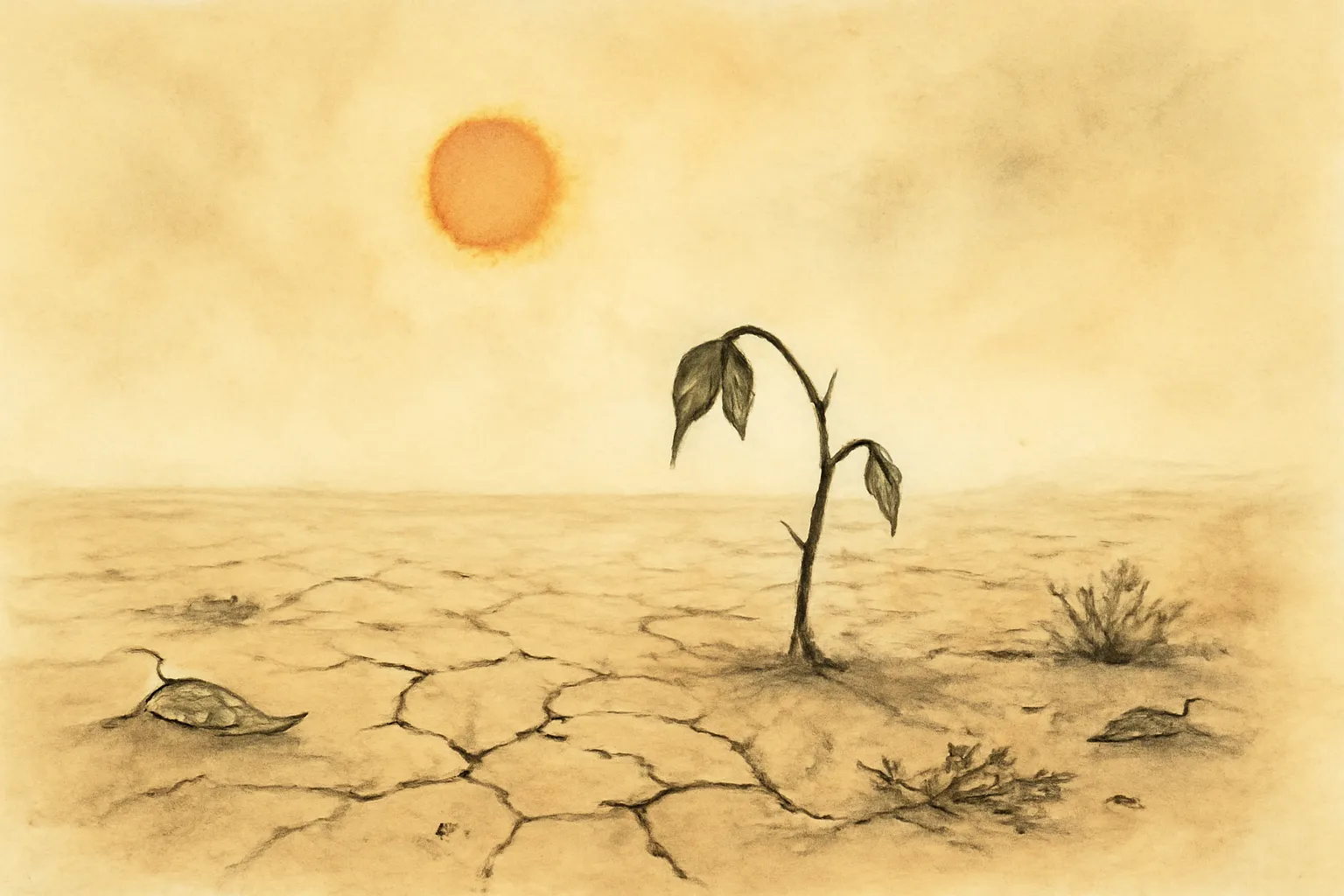
By the late 1970s, scientists had already established the basic science of climate change. The book demonstrates that the knowledge gap was not the primary barrier; the dangers of greenhouse gases and the solutions—like reducing fossil fuel use—were clear. This undercuts the common myth that inaction was due to scientific uncertainty, showing instead that the world had ample warning and understanding to act decisively.
Losing Earth zeroes in on 1979 to 1989, a period when meaningful global action on climate change was still possible. Rich details the efforts of a small group of scientists and advocates who tried to sound the alarm and forge consensus. Despite moments of hope and near-breakthroughs, the decade ended with little to show—setting the stage for decades of delay.
“We almost saved the world, but we didn’t.”
“All the facts were known, and nothing stood in our way—except ourselves.”