

Soil chemistry · Soils and climate · Global warming
The Soil Will Save Us by Kristin Ohlson — Summary, Key Ideas & Quotes
2014256 pages✦ 3-min Big ideas
Rate it
Thousands of years of poor farming and ranching practicesand, especially, modern industrial agriculturehave led to the loss of up to 80 percent of carbon from the worlds soils. That carbon is now floating in the atmosphere, and even if we stopped using fossil fuels today, it would continue warming the planet. In The Soil Will Save Us, journalist and bestselling author Kristin Ohlson makes an elegantly argued, passionate case for "our great green hope"a way in which we can not only heal the land but also turn atmospheric carbon into beneficial soil carbonand potentially reverse global warming.
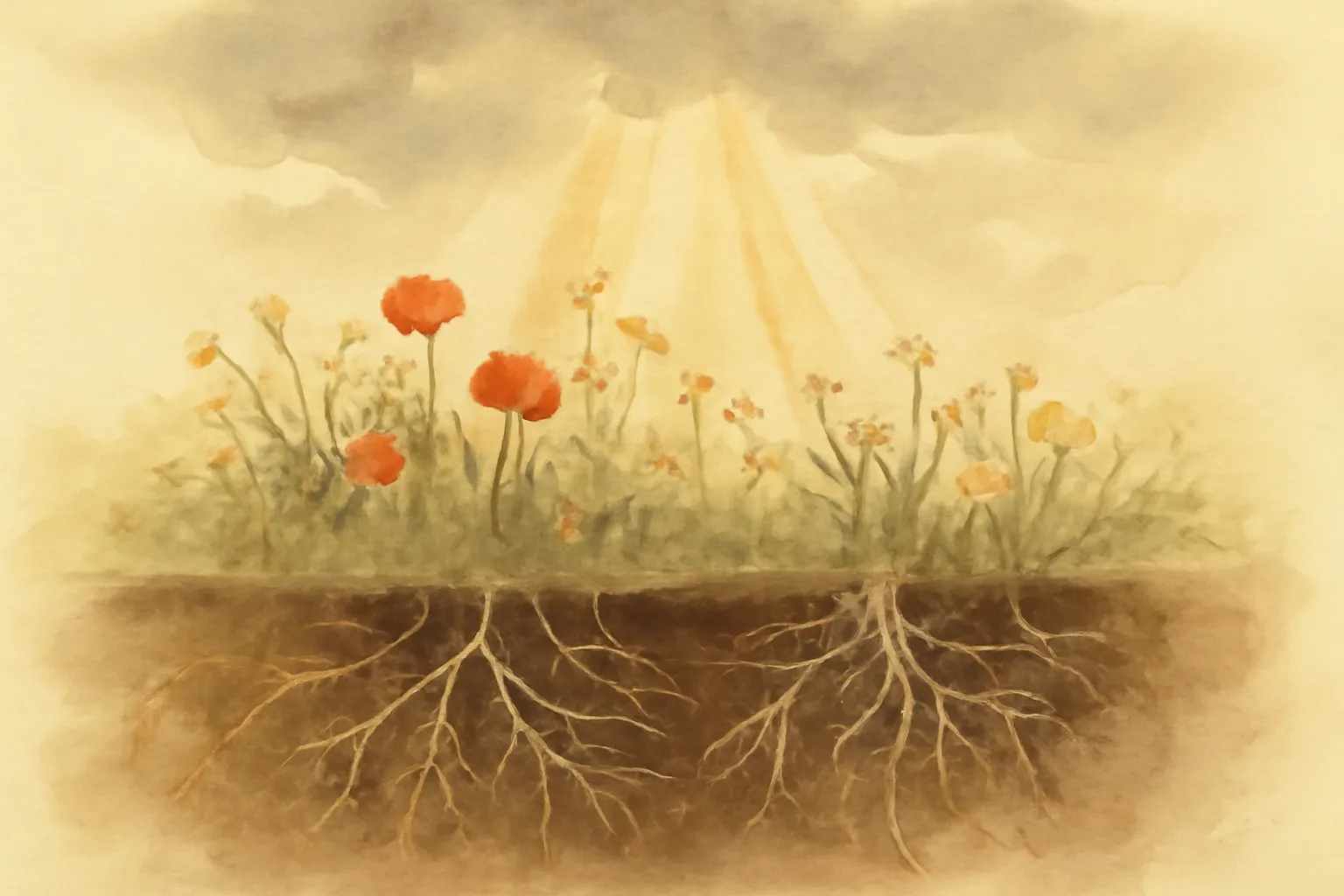
Ohlson’s central argument is that soil has an enormous capacity to store carbon, potentially offsetting a significant portion of human-caused emissions. She explains how centuries of conventional agriculture have depleted soil carbon, releasing it into the atmosphere, but that regenerative practices can reverse this trend. By promoting plant growth and microbial activity, soils can absorb and lock away carbon, making them a vital tool in climate mitigation.
The book highlights regenerative agriculture—a suite of farming and grazing techniques that restore soil health without relying on synthetic chemicals. Ohlson profiles farmers and ranchers who use methods like cover cropping, rotational grazing, and minimal tillage to rebuild soil structure, increase biodiversity, and enhance resilience. These practices not only sequester carbon but also improve yields and reduce erosion, offering a win-win for farmers and the environment.