1.Soil as a Carbon Sink
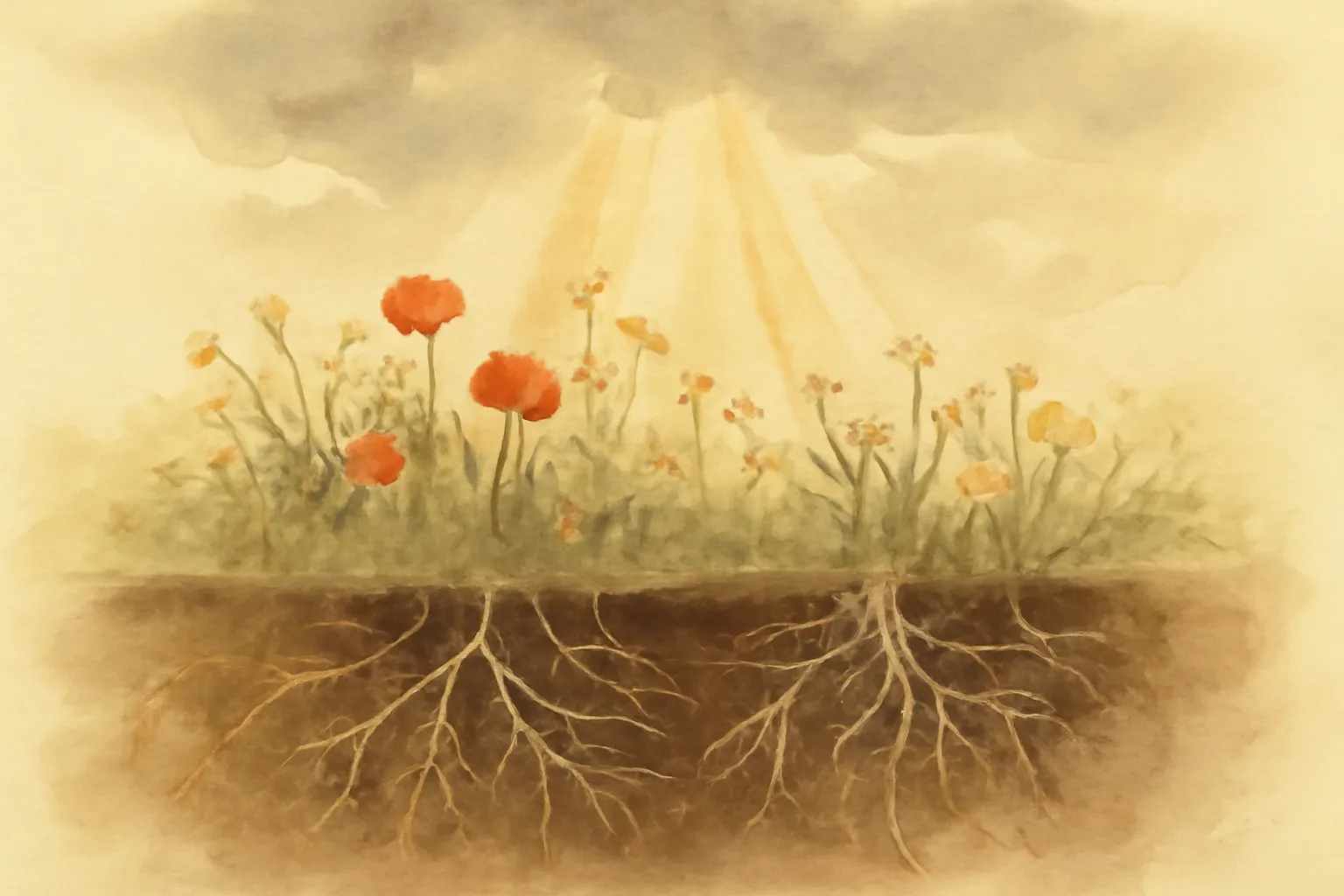
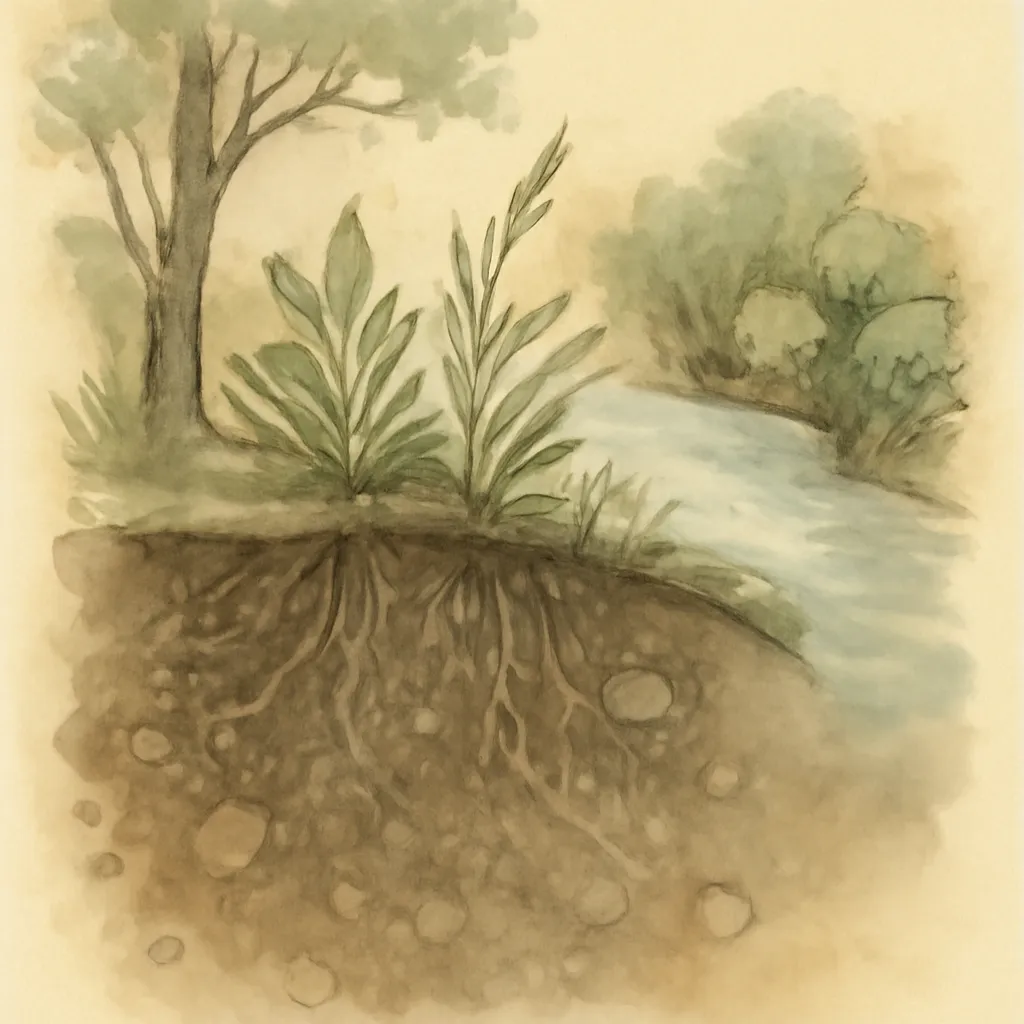
Ohlson’s central argument is that soil has an enormous capacity to store carbon, potentially offsetting a significant portion of human-caused emissions. She explains how centuries of conventional agriculture have depleted soil carbon, releasing it into the atmosphere, but that regenerative practices can reverse this trend. By promoting plant growth and microbial activity, soils can absorb and lock away carbon, making them a vital tool in climate mitigation.
2.Regenerative Agriculture’s Promise
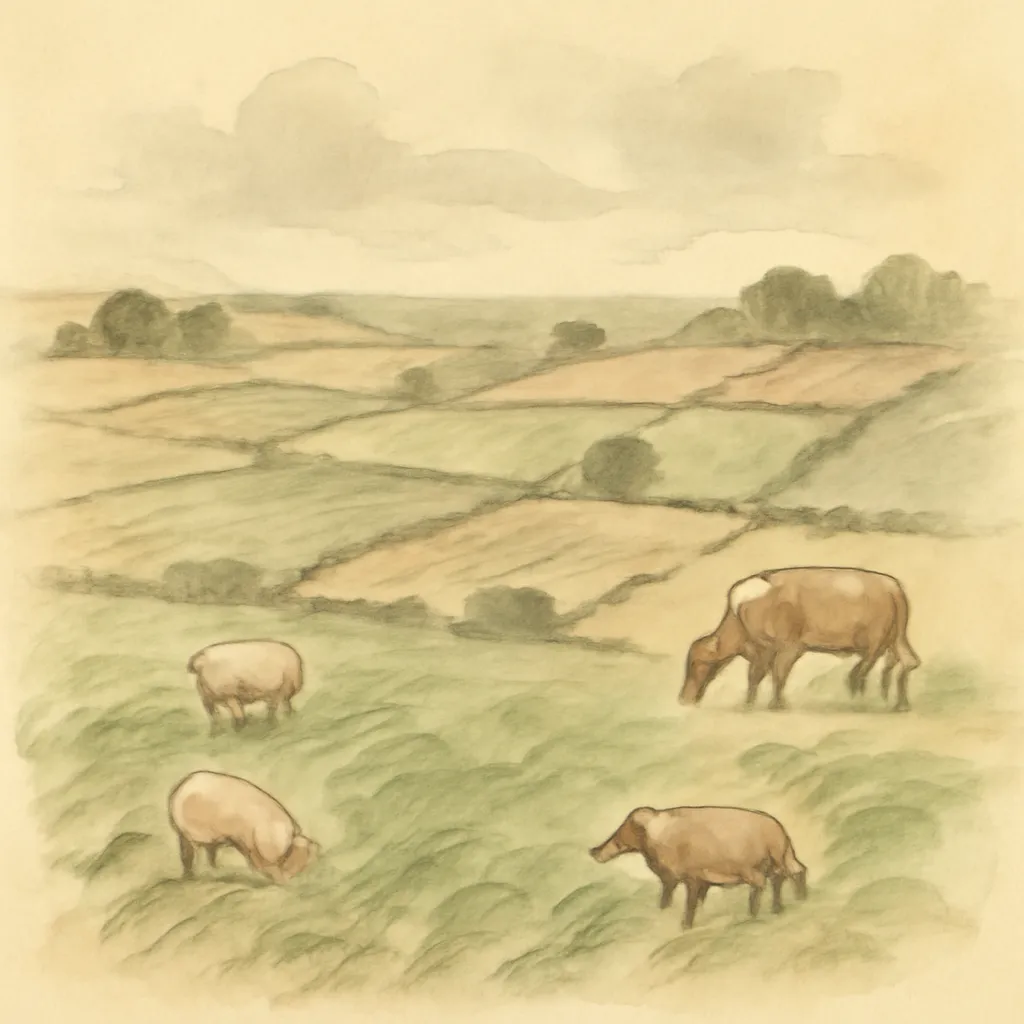
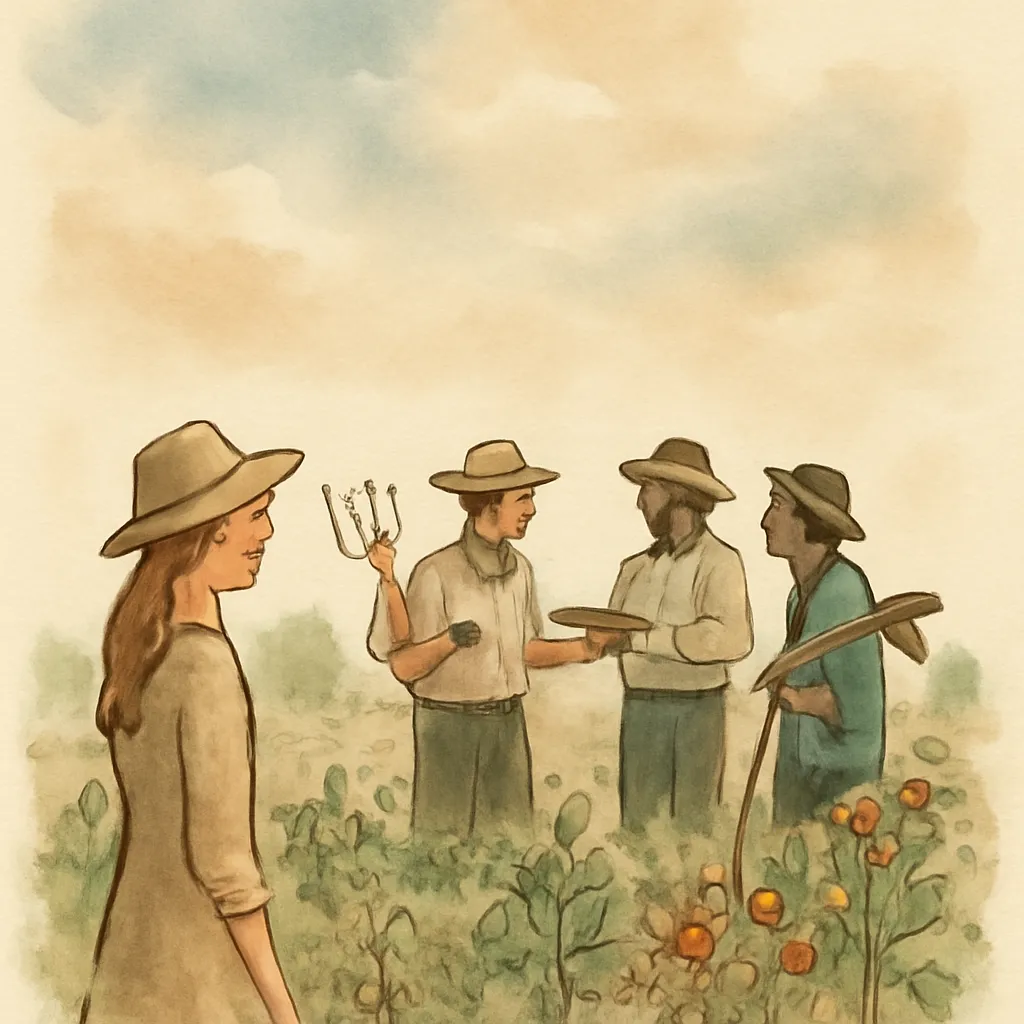
The book highlights regenerative agriculture—a suite of farming and grazing techniques that restore soil health without relying on synthetic chemicals. Ohlson profiles farmers and ranchers who use methods like cover cropping, rotational grazing, and minimal tillage to rebuild soil structure, increase biodiversity, and enhance resilience. These practices not only sequester carbon but also improve yields and reduce erosion, offering a win-win for farmers and the environment.
3.The Microbial Underground
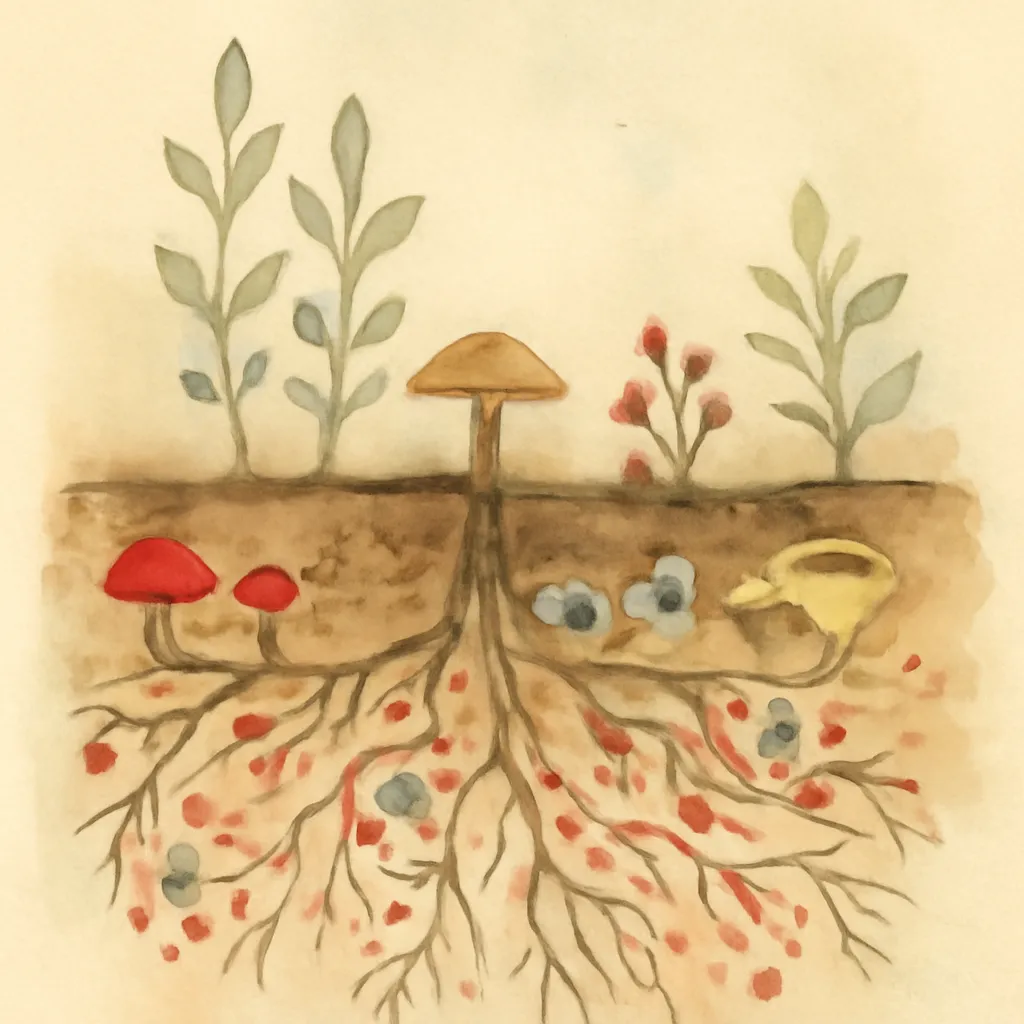
Ohlson delves into the fascinating world of soil microbes, fungi, and plant roots, revealing a complex underground network essential for carbon cycling. She explains how plants, through photosynthesis, transfer carbon to the soil via their roots, feeding microbes that, in turn, stabilize carbon compounds. This symbiotic relationship is crucial for soil fertility and long-term carbon storage, challenging the chemical-centric view of modern agriculture.
4.Historical Context and Modern Consequences
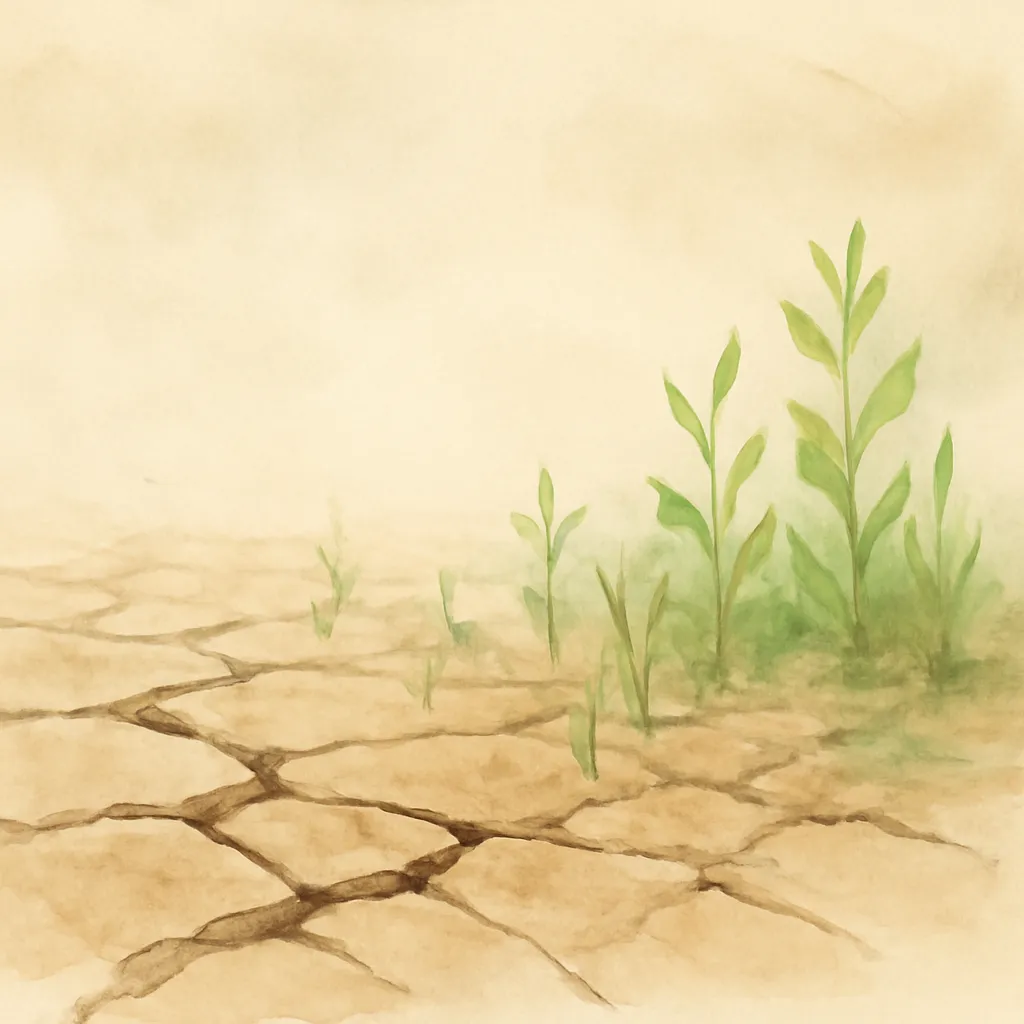
The book traces the history of soil degradation, from ancient civilizations to today’s industrial agriculture. Ohlson shows how repeated tilling, monocultures, and chemical inputs have stripped soils of organic matter, leading to erosion, desertification, and increased atmospheric CO2. Understanding this legacy is key to appreciating the urgency and potential of soil restoration as a climate solution.
5.Grassroots Innovation and Hope
Ohlson emphasizes the role of individual farmers, ranchers, and scientists who are pioneering new approaches from the ground up. She argues that meaningful change doesn’t have to wait for top-down policy; local innovation and community action can drive a global shift in land management. The book is filled with stories of people making a difference, offering readers a sense of agency and optimism.
6.Soil Health Links to Food and Water Security
Beyond climate, Ohlson connects soil health to broader issues like food quality, water retention, and ecosystem stability. Healthy soils retain more water, reduce the need for irrigation, and produce more nutrient-dense crops. This holistic view positions soil restoration as a linchpin for sustainable agriculture and human wellbeing.