1.We Knew Enough, Early Enough
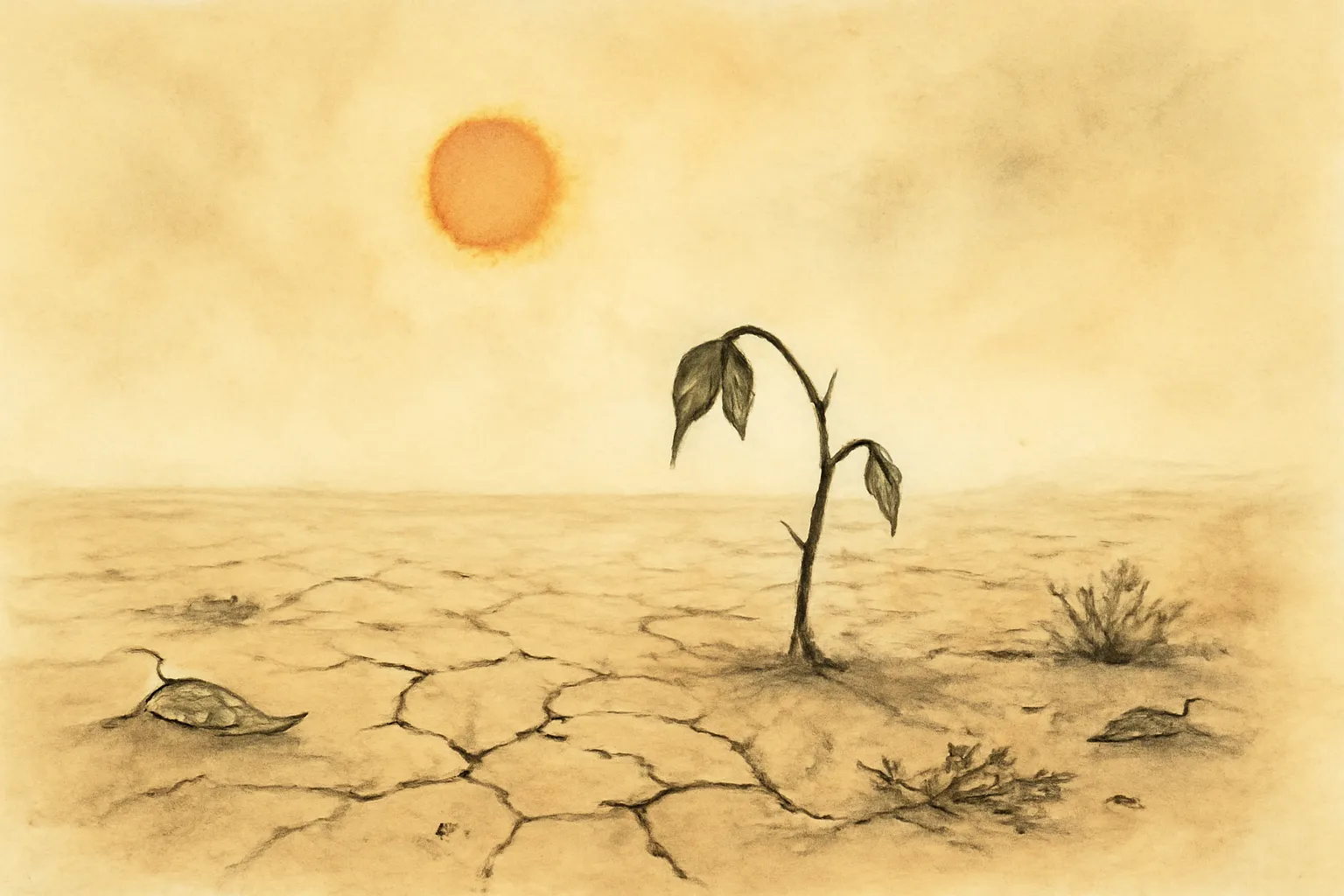
By the late 1970s, scientists had already established the basic science of climate change. The book demonstrates that the knowledge gap was not the primary barrier; the dangers of greenhouse gases and the solutions—like reducing fossil fuel use—were clear. This undercuts the common myth that inaction was due to scientific uncertainty, showing instead that the world had ample warning and understanding to act decisively.
2.A Decade of Possibility and Failure
Losing Earth zeroes in on 1979 to 1989, a period when meaningful global action on climate change was still possible. Rich details the efforts of a small group of scientists and advocates who tried to sound the alarm and forge consensus. Despite moments of hope and near-breakthroughs, the decade ended with little to show—setting the stage for decades of delay.
3.The Human Side of Climate Politics
Rather than focusing on abstract policy debates, Rich personalizes the story through figures like scientist James Hansen and activist Rafe Pomerance. Their frustrations, ambitions, and moral struggles make the climate crisis feel immediate and relatable. The book reveals how individual personalities, rivalries, and alliances shaped the fate of the planet as much as scientific reports or political institutions.
4.Obstacles Beyond Denial
While fossil fuel interests and political inertia played roles, Rich argues that the roots of inaction were deeper and more complex than outright denial. Institutional inertia, short-term thinking, and the challenge of global coordination all contributed. The book suggests that the climate crisis is as much a failure of imagination and will as of information.
5.The Power—and Limits—of Narrative
Rich explores how the way we tell the story of climate change shapes public response. The 1980s saw attempts to craft compelling narratives, but these often failed to cut through apathy or competing interests. The book itself is a corrective, using narrative to make the stakes and missed opportunities vivid for readers.
6.A Cautionary Tale for Today
By reconstructing this pivotal decade, Losing Earth serves as both history and warning. It challenges readers to recognize that the greatest obstacles to climate action may lie not in what we know, but in what we choose to do with that knowledge. The book invites reflection on how we might avoid repeating the same mistakes.