
Exploring the depths of love, identity, and societal expectations through the intertwined lives of the Macartneys and their guests
Read full overviewShow less›
In 'Love and Lucy', Maurice Hewlett presents a rich tapestry of human relationships, revealing the complexities of love, desire, and personal identity against the backdrop of early 20th-century British society. At the heart of the story are James and Lucy Macartney, a seemingly typical middle-class couple navigating the intricacies of their marriage while surrounded by a cast of intriguing characters. As they host a dinner party that brings together a mix of personalities, the narrative unfolds to explore themes of jealousy, aspiration, and the masks people wear in their social lives. Readers will find themselves drawn into a world where the lines between love and friendship blur, and the characters grapple with their innermost desires and fears. This exploration invites reflection on the nature of romantic relationships and the societal pressures that shape them, making it a timeless tale of human connection and disconnection.
In 'Love and Lucy', Maurice Hewlett masterfully weaves a narrative that captures the complexities of human relationships, exploring themes of love, identity, and societal expectations. Through the lives of the Macartneys and their guests, readers are invited to reflect on the duality of human nature and the impact of social dynamics on personal connections. The characters' struggles with jealousy, authenticity, and the search for meaning resonate across time, making the story a timeless exploration of what it means to love and be loved. Ultimately, the novel serves as a poignant reminder of the importance of vulnerability and honesty in relationships, encouraging readers to navigate their own emotional landscapes with awareness and compassion.
- 1The Duality of Human Nature
- 2The Complexity of Romantic Relationships
- 3Social Masks and Authenticity
- 4Jealousy and Insecurity
- 5The Role of Women in Society
Notable quotes
“There are at least two persons in each of us, one at least of which can course the starry spaces and inhabit where the other could hardly breathe for ten minutes.”
“A sympathetic attitude means so much to women.”
“You shan't be disturbed, if I may be indulged so far as to contrive that the house hold us both.”
A glimpse inside

Hewlett delves into the concept of duality within each individual, particularly through the character of James Macartney. He embodies the tension between societal expecta… Read moreHewlett delves into the concept of duality within each individual, particularly through the character of James Macartney. He embodies the tension between societal expectations and personal desires, suggesting that everyone harbors hidden depths that remain unexpressed. This idea is articulated when the narrator reflects on the notion that 'there are at least two persons in each of us,' emphasizing the conflict between the public persona and the private self. James, as a solicitor, is expected to maintain a facade of decorum, yet beneath that exterior lies a yearning for deeper emotional connection and understanding. This duality is mirrored in Lucy, whose more openly emotional nature contrasts with James's reserved demeanor. For instance, while James is concerned with appearances and the expectations of his social circle, Lucy often yearns for a more authentic expression of love and connection. Through these characters, the author explores how societal roles can inhibit genuine self-expression and complicate personal relationships, prompting readers to reflect on their own hidden selves and the masks they wear in their daily lives. Show less
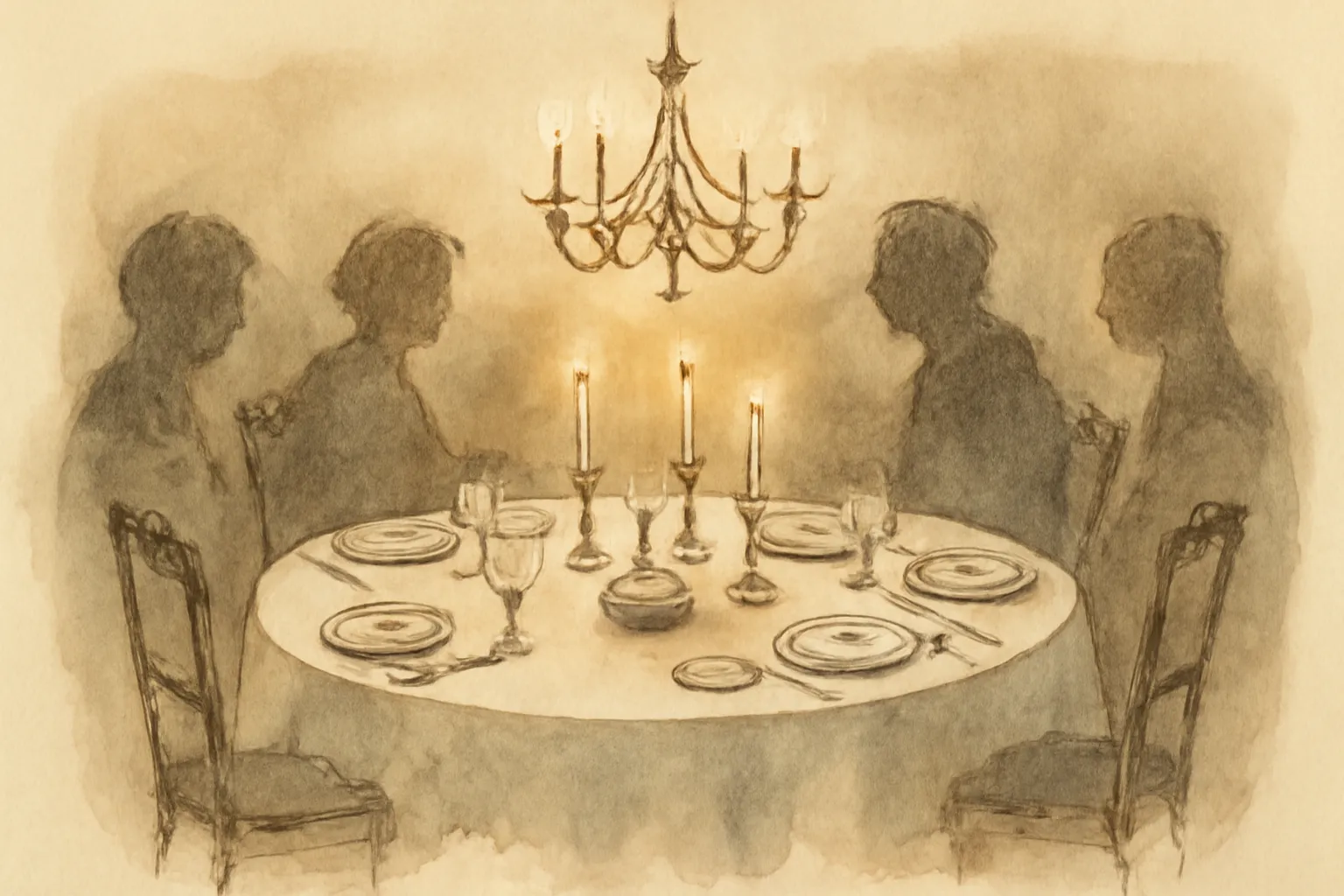
At the center of 'Love and Lucy' is the intricate relationship between James and Lucy, which serves as a microcosm for the broader themes of love and desire. Read moreAt the center of 'Love and Lucy' is the intricate relationship between James and Lucy, which serves as a microcosm for the broader themes of love and desire. The narrative captures their dinner party, a seemingly innocuous event that becomes a catalyst for exploring unspoken tensions and desires. Throughout the evening, the interactions between Lucy and other guests, particularly Francis Lingen and Jimmy Urquhart, reveal her longing for connection beyond her marriage. James's desire to control the social environment contrasts with Lucy's emotional needs, leading her to question the depth of her relationship with him. Lucy's interactions with Lingen, who attempts to charm her with his artistic pretensions, reflect her internal conflict; she pities him yet is drawn to the attention he offers. As the dinner party unfolds, the cracks in their marriage become increasingly apparent, showcasing how external relationships can expose the vulnerabilities and desires that lie beneath the surface of a seemingly stable partnership. This exploration of romantic entanglements challenges the characters to confront their feelings and the implications of their choices, making for a rich examination of love's multifaceted nature that resonates with anyone who has navigated complex relationships. Show less
Read the full text — free
About the author
Maurice Hewlett has 2 works free to read on Lumina, including Little Novels of Italy
All 2 books by Maurice Hewlett →