1.The Duality of Human Nature
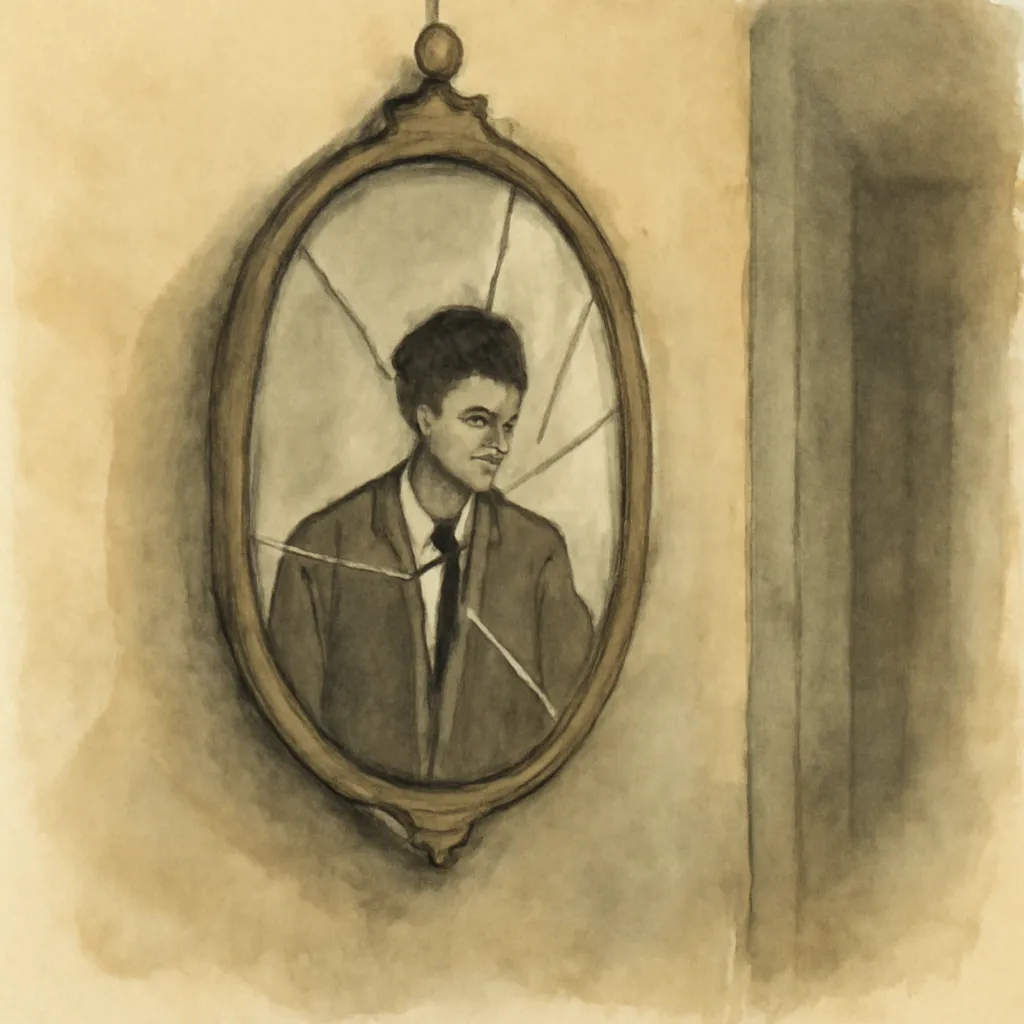
Hewlett delves into the concept of duality within each individual, particularly through the character of James Macartney. He embodies the tension between societal expectations and personal desires, suggesting that everyone harbors hidden depths that remain unexpressed. This idea is articulated when the narrator reflects on the notion that 'there are at least two persons in each of us,' emphasizing the conflict between the public persona and the private self. James, as a solicitor, is expected to maintain a facade of decorum, yet beneath that exterior lies a yearning for deeper emotional connection and understanding. This duality is mirrored in Lucy, whose more openly emotional nature contrasts with James's reserved demeanor. For instance, while James is concerned with appearances and the expectations of his social circle, Lucy often yearns for a more authentic expression of love and connection. Through these characters, the author explores how societal roles can inhibit genuine self-expression and complicate personal relationships, prompting readers to reflect on their own hidden selves and the masks they wear in their daily lives.
2.The Complexity of Romantic Relationships
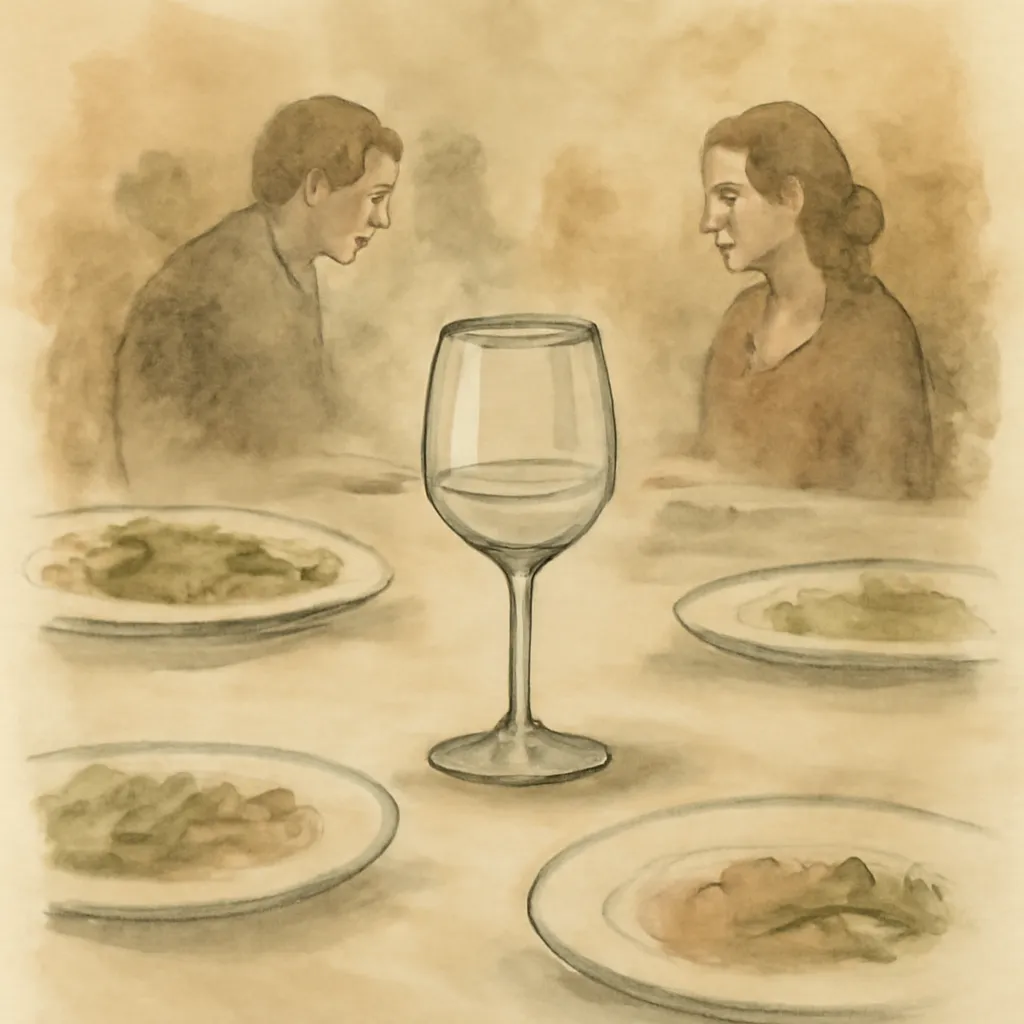
At the center of 'Love and Lucy' is the intricate relationship between James and Lucy, which serves as a microcosm for the broader themes of love and desire. The narrative captures their dinner party, a seemingly innocuous event that becomes a catalyst for exploring unspoken tensions and desires. Throughout the evening, the interactions between Lucy and other guests, particularly Francis Lingen and Jimmy Urquhart, reveal her longing for connection beyond her marriage. James's desire to control the social environment contrasts with Lucy's emotional needs, leading her to question the depth of her relationship with him. Lucy's interactions with Lingen, who attempts to charm her with his artistic pretensions, reflect her internal conflict; she pities him yet is drawn to the attention he offers. As the dinner party unfolds, the cracks in their marriage become increasingly apparent, showcasing how external relationships can expose the vulnerabilities and desires that lie beneath the surface of a seemingly stable partnership. This exploration of romantic entanglements challenges the characters to confront their feelings and the implications of their choices, making for a rich examination of love's multifaceted nature that resonates with anyone who has navigated complex relationships.
3.Social Masks and Authenticity

Hewlett's narrative raises questions about authenticity in social interactions, particularly through the character of Francis Lingen, who embodies the archetype of the artist seeking validation. Lingen's pretentiousness and need for attention highlight the masks people wear in social contexts, often to gain acceptance or admiration. His interactions with Lucy demonstrate how individuals can become trapped in their personas, struggling to connect on a deeper level. Lucy, despite her emotional depth, finds herself caught in the superficiality of social expectations, navigating her feelings for Lingen and Urquhart while attempting to uphold her role as a devoted wife. This tension is exemplified when Lucy feels pity for Lingen, recognizing his loneliness and desperation for connection, yet finds herself equally drawn to Urquhart's adventurous spirit. The narrative ultimately suggests that true connection requires vulnerability and honesty, challenging the characters to confront their façades and explore the possibility of authenticity in their relationships. In a world where social roles often dictate behavior, the struggle for genuine connection becomes a central theme, prompting readers to consider the masks they wear and the impact on their relationships.
4.Jealousy and Insecurity

Jealousy plays a significant role in the narrative, particularly in the dynamics between James and his guests. His growing suspicion of Urquhart and Lingen reflects his insecurities as a husband and a man. James's jealousy is not merely about romantic rivalry; it is intertwined with his sense of self-worth and societal standing. The narrative captures his internal struggle as he grapples with the fear of inadequacy, leading to moments of tension with Lucy. For instance, when he dismisses Lingen as an unworthy rival or when he expresses disdain for Urquhart's easy charm, it becomes clear that his jealousy stems from a deeper insecurity about his own masculinity and competence as a husband. This jealousy drives James to overanalyze his interactions and those of others, revealing how insecurity can distort perceptions and breed mistrust. As the story unfolds, it becomes clear that jealousy often stems from a lack of self-awareness and confidence, prompting readers to reflect on their own experiences with jealousy and its impact on relationships. The narrative suggests that confronting one's insecurities is essential for fostering trust and intimacy within relationships.
5.The Role of Women in Society
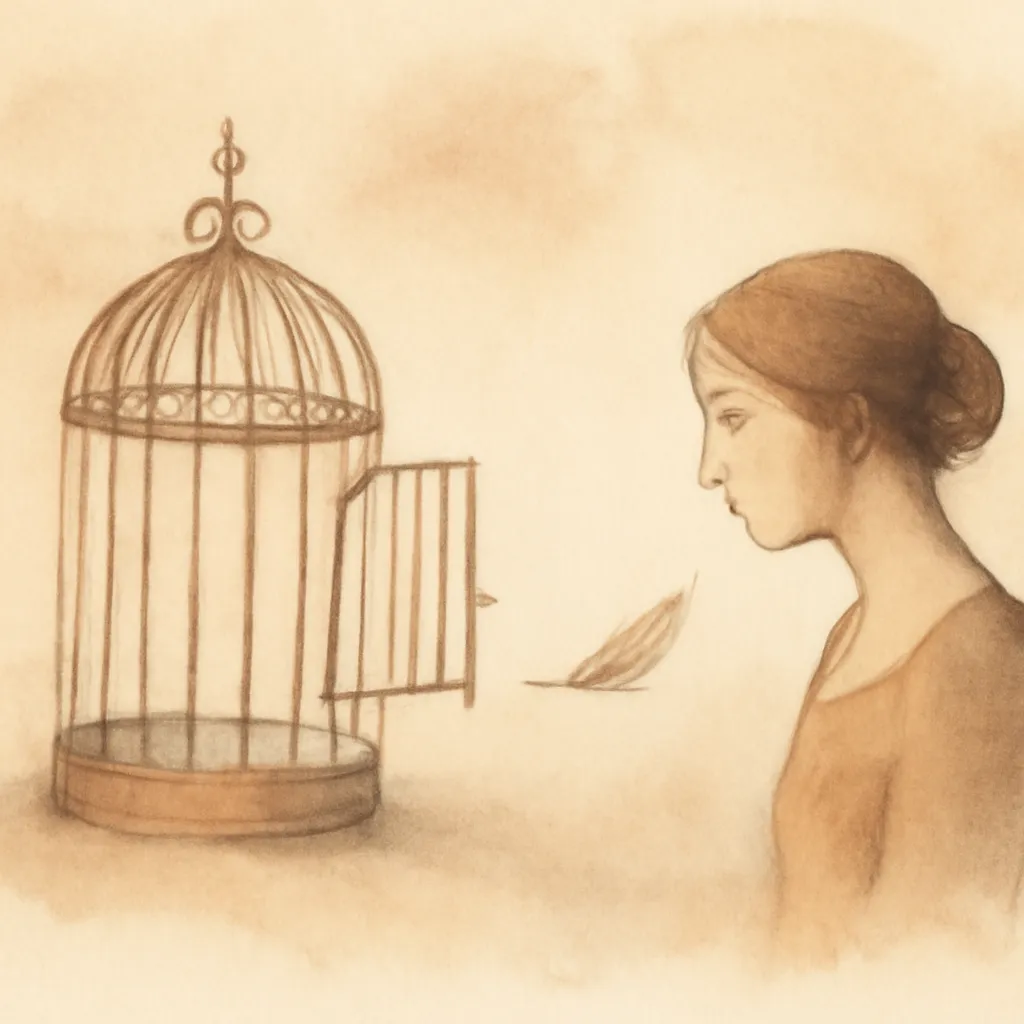
Hewlett's portrayal of Lucy Macartney serves as a commentary on the roles of women in early 20th-century society. Lucy embodies the struggle between societal expectations and personal desires, often feeling confined by her role as a wife and mother. Her interactions with other women, such as her sister Mabel, reveal the subtle competition and judgment that exists among women in their social circles. Mabel’s scorn for Lingen and her gossiping highlights the pressures women face to conform to social norms and the importance placed on appearances. Lucy’s longing for emotional connection and fulfillment reflects the broader struggles faced by women of her time, who were often relegated to the domestic sphere. The narrative highlights how women's identities were shaped by their relationships with men and societal norms, prompting a critical examination of the limitations imposed on women and their quest for autonomy. Through Lucy's journey, readers are invited to consider the evolving role of women and the ongoing struggle for self-actualization, especially in a society that often prioritizes male perspectives and ambitions.
6.The Quest for Meaning

Throughout 'Love and Lucy', characters grapple with their search for meaning and fulfillment in their lives. James, despite his professional success, feels a sense of emptiness in his marriage, prompting him to question the validity of his choices. Lucy, on the other hand, seeks deeper emotional connections, believing that love can offer a sense of purpose. Their contrasting quests for meaning reflect the universal human experience of seeking fulfillment in a world that often feels superficial. The dinner party serves as a microcosm for this search, where characters confront their desires and the limitations of their relationships. For instance, James’s desire for control in his social interactions clashes with Lucy’s yearning for genuine emotional connection, leading to a growing discontent. The narrative suggests that true meaning is found not in societal approval or material success, but in authentic connections with others. This exploration invites readers to reflect on their own journeys toward meaning and the relationships that shape their understanding of self, urging them to consider how they might find fulfillment amidst societal pressures.
7.The Impact of Childhood on Adult Relationships
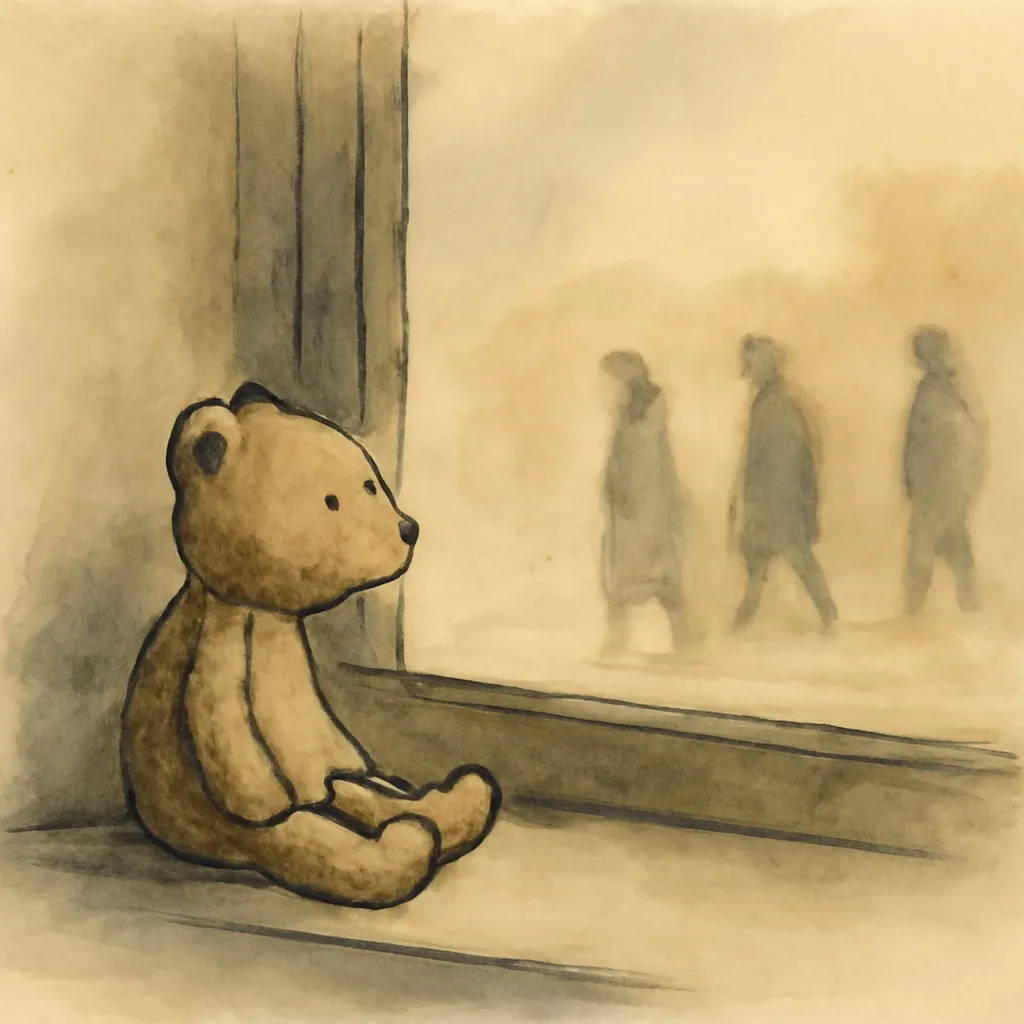
The narrative subtly weaves in the theme of how childhood experiences shape adult relationships, particularly through the character of Lancelot, the Macartneys' son. His relationship with both parents serves as a lens through which to examine the dynamics of their marriage. James's stoic nature contrasts with Lucy's emotional warmth, influencing how Lancelot perceives love and connection. The story suggests that children are deeply affected by their parents' interactions, often internalizing their conflicts and emotional landscapes. For instance, Lancelot's affection for Urquhart reveals a desire for the adventurous spirit that he lacks in his own home. As Lancelot navigates his own experiences, the reader is prompted to consider how childhood environments inform adult behaviors and expectations in relationships. This theme underscores the importance of emotional awareness and communication in parenting, highlighting the lasting impact of familial relationships on personal development. As Lancelot's character develops, readers witness the interplay between his upbringing and his eventual choices in life and love.
8.The Nature of Friendship

Hewlett explores the complexities of friendship through the interactions among the characters, particularly between James, Urquhart, and Lingen. The narrative highlights how friendship can be both a source of support and a breeding ground for rivalry and jealousy. James's relationship with Urquhart is particularly fraught, as he grapples with feelings of inadequacy and suspicion regarding Urquhart's intentions toward Lucy. Meanwhile, Lingen's pursuit of Lucy complicates the dynamics further, revealing how friendships can be tested by romantic interests. The story suggests that true friendship requires honesty and vulnerability, yet it can easily be undermined by insecurities and misunderstandings. As the characters navigate their friendships, the narrative poses critical questions about the nature of loyalty and trust. This exploration encourages readers to reflect on their own friendships and the factors that contribute to their strength or fragility, emphasizing that the foundations of genuine friendship often lie in mutual understanding and respect.
9.The Influence of Setting on Emotion
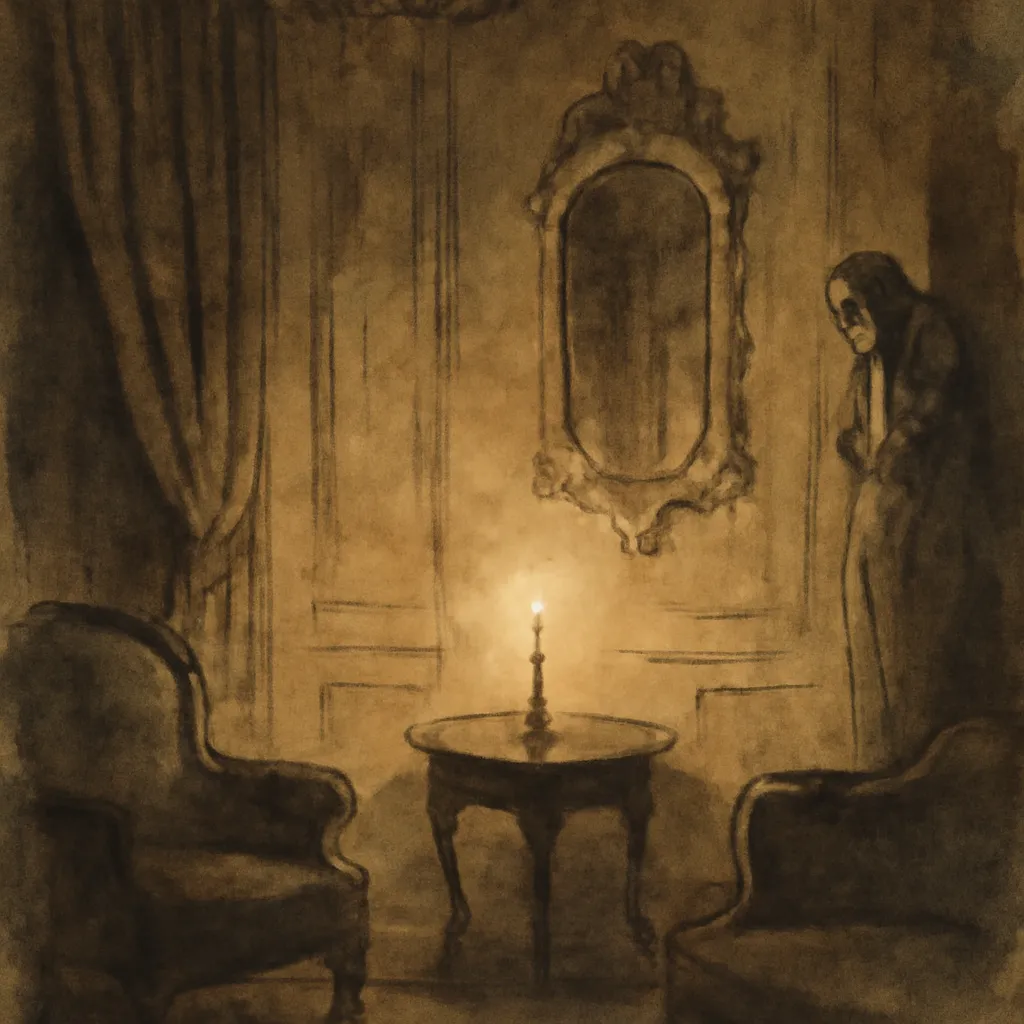
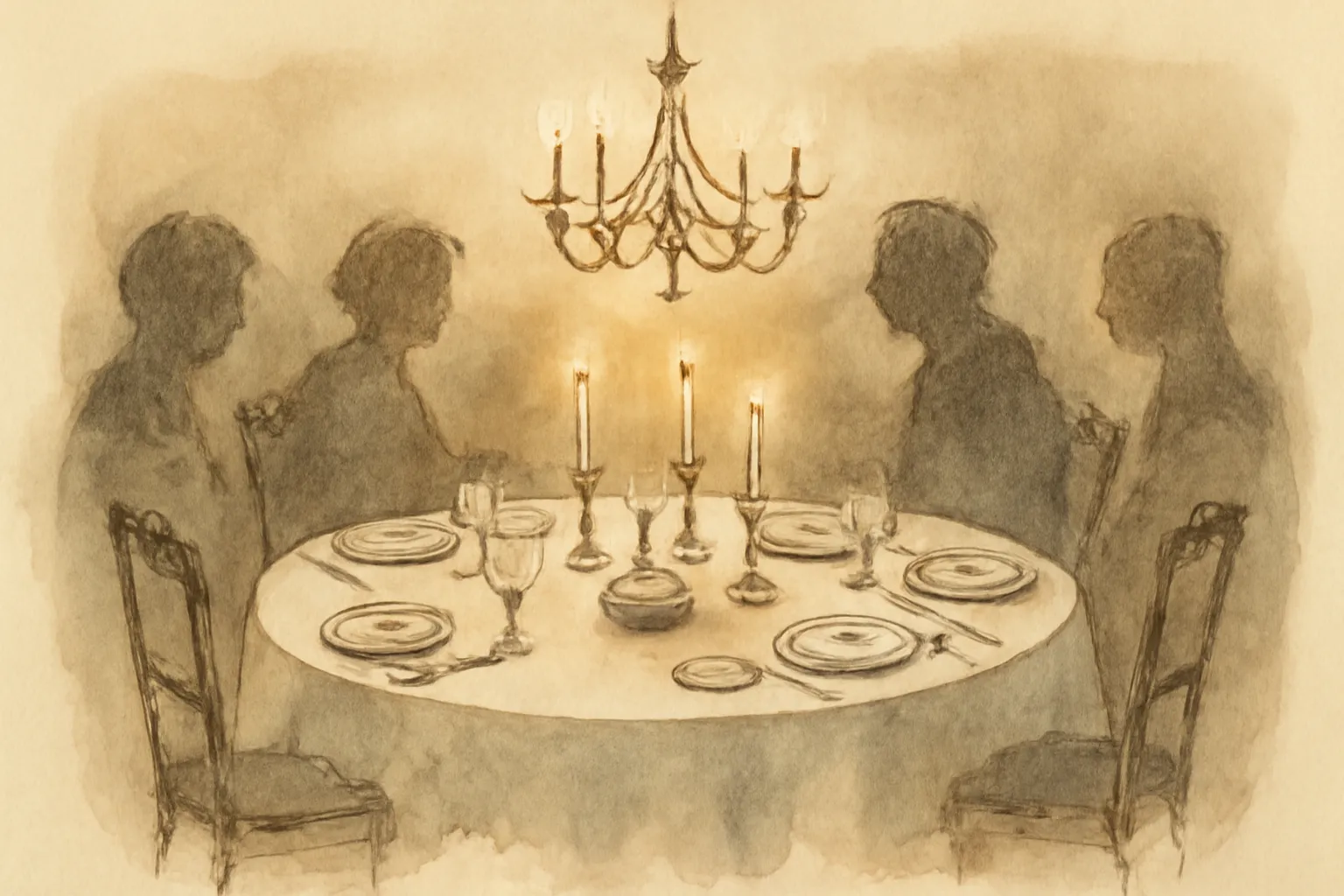
The settings in 'Love and Lucy' play a crucial role in shaping the emotional landscape of the narrative. The dinner party serves as a microcosm of societal expectations, where characters are pressed into roles that often feel artificial. The opulence of the Macartneys' home contrasts with the emotional turmoil brewing beneath the surface, highlighting how physical environments can reflect and amplify inner conflicts. As characters move between the intimate setting of the home and the broader social landscape, the setting becomes a character in its own right, influencing interactions and emotional exchanges. For example, the tension during the dinner party is intensified by the lavish décor, which serves as a stark reminder of the social masks the characters wear. This interplay between setting and emotion invites readers to consider how their own environments shape their experiences and relationships, emphasizing the importance of context in understanding human behavior. The narrative suggests that the spaces we inhabit can profoundly affect our emotional states and the quality of our connections with others.